Auditory Training: There’s an App for That
Retraining the brain to hear after hearing loss is a game changer for patients, and gamified programs accessible by phone make the practice that much easier to incorporate into a hearing care plan.
New research finds hearing aids are rarely seen in mainstream media, prompting GN to expand its free library of authentic images for World Hearing Day.
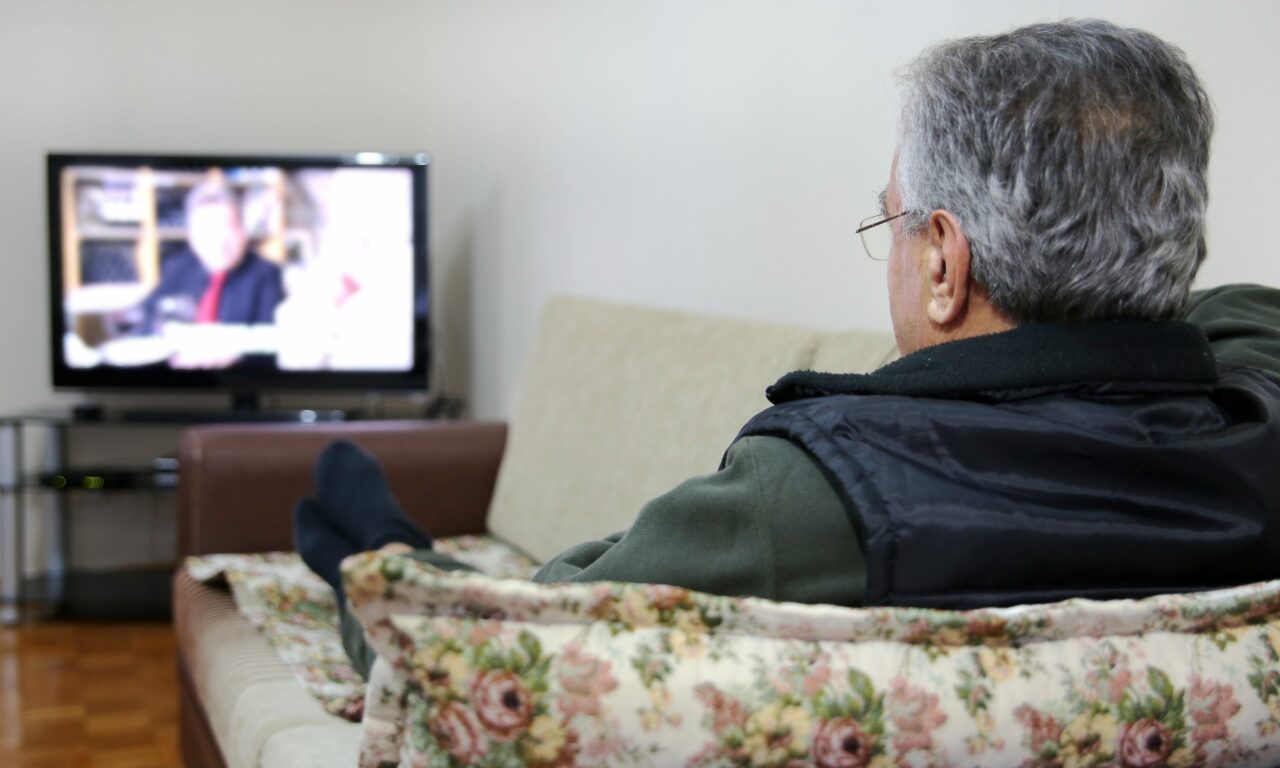
Addressing in-person communication is no longer enough. Direct-to-ear audio streaming—via TV streamers and Auracast—enables people with hearing loss to more fully participate in online work and public venues.
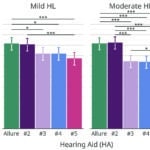
Widex has expanded its Allure portfolio in the U.S. with new BTE and ITE models—including its first rechargeable ITE—and a portable RIC charger.
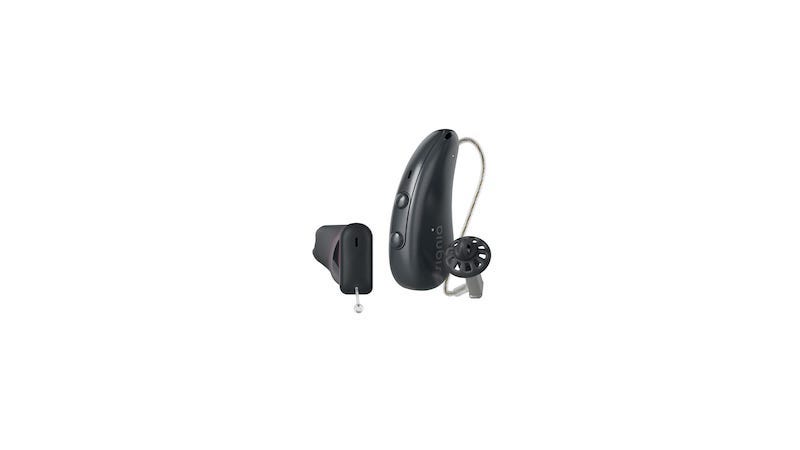
The new offerings include Auracast-enabled custom styles for the ReSound Savi essential family and the integration of the NAL-NL3 prescriptive formula into ReSound Smart Fit 2.3 software.
Findings from two studies show improved speech understanding in noise for the Nuance Audio Glasses open-ear hearing solution.
Sound quality in digital hearing aids is often compromised due to signal-processing delay and the resulting “comb-filter effect.” To change this, Widex recently introduced a new solution, designed particularly for mild-to-moderate hearing losses, which employs an ultralow delay. This results in a sound quality that has, until now, been unattainable in digital hearing aids. This article describes the physics of hearing aid delay, and presents a field study on the sound quality experience of the new system.
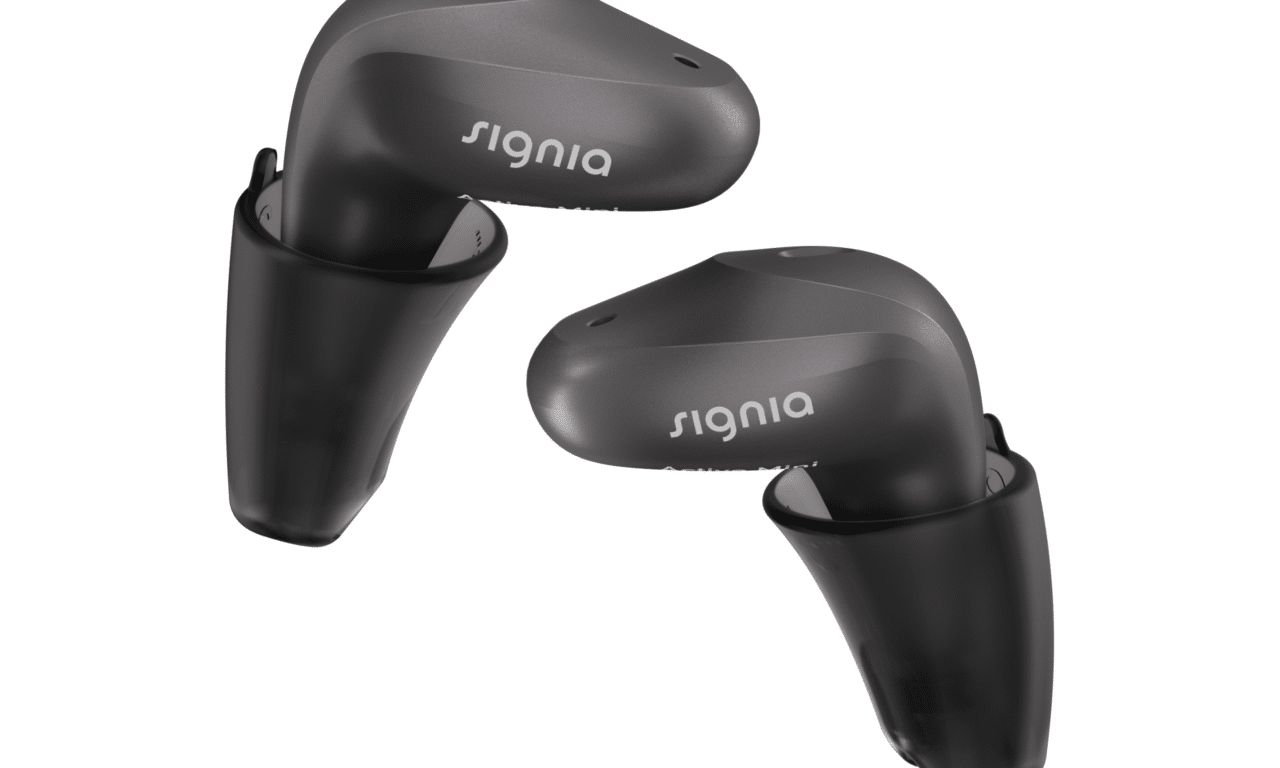
Signia launched a new technology that enables hearing aid wearers to hear all speakers in noisy group conversations clearly.
The strategic agreement brings the US company's mobile hearing and tinnitus platform to the Japanese consumer market.