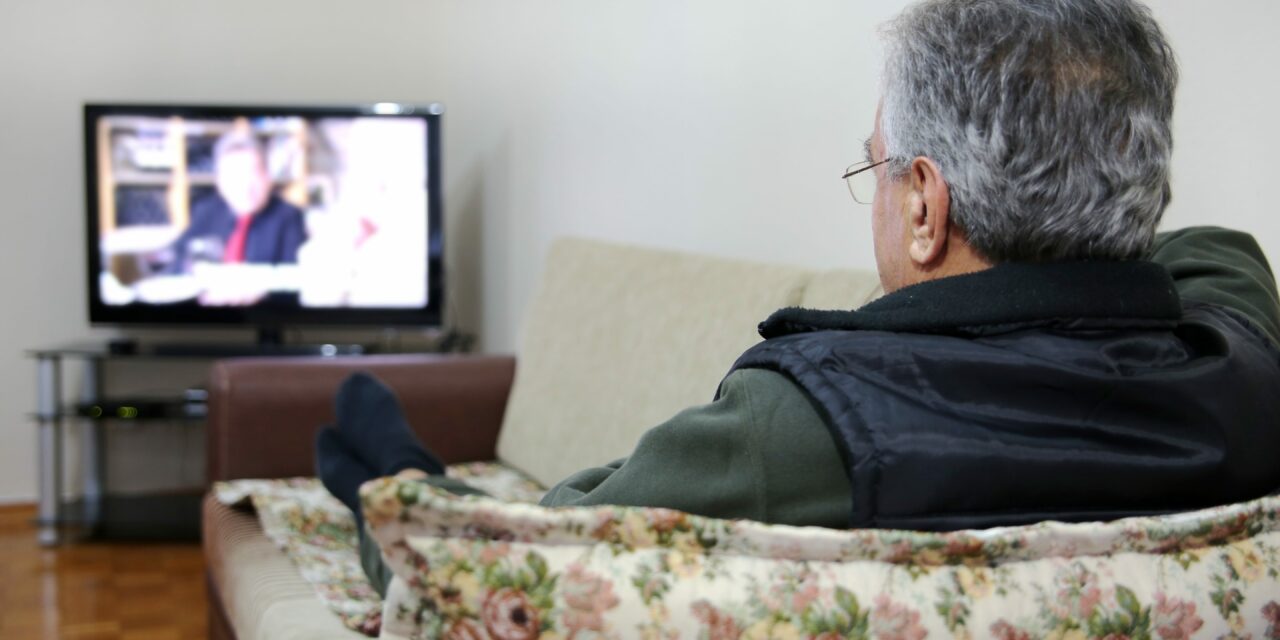
This roundtable addresses the importance of enhancing the use of hearing aids with additional products that help meet patients’ communication needs in a variety of situations. Participating in this discussion are members of The Hearing Review editorial advisory board Bopanna Ballachanda, PhD, ABA-C, DFAAA; Marshall Chasin, AuD; and hearing health advocate Shari Eberts, who has adult onset hearing loss.
The Hearing Review: How important is it for hearing care professionals to offer a range of hearing aid accessories to their patients?
Bopanna Ballachanda: It is crucial for hearing care professionals to offer a diverse array of hearing aid accessories, as these supplementary tools significantly enhance the advantages of amplification in everyday listening scenarios where a hearing aid alone may not suffice.
By offering a varied selection of accessories, HCPs can customize solutions to fit each patient’s unique lifestyle preferences, needs, and comfort levels regarding technology use. This tailored approach not only boosts patient satisfaction but also improves hearing outcomes and promotes long-term use of hearing devices, as patients feel their specific communication challenges are being effectively addressed.
Ultimately, incorporating these accessories supports a more holistic, patient-centered model of hearing care. It broadens the focus beyond mere amplification, enabling optimization of everyday communication and fostering deeper connections between patients and their environments. This comprehensive approach ensures that individuals can maximize their hearing experiences in all facets of life, improving overall quality of life.
Shari Eberts: Hearing aids are powerful tools, but no single device covers every listening situation—which is why offering a range of accessories is critically important. Additional tools like mini-mics, neck loops, TV streamers, and the like bring clear sound directly to hearing devices, making it easier to understand speech in noisy spaces (i.e., a loud restaurant) and at a distance (i.e., lecture or conference). When patients add hearing accessories to their communication toolkit, their hearing aids become more effective in a wider variety of listening situations, boosting satisfaction and the likelihood of consistent use.
HR: What newer hearing aid accessory products and/or technologies are you excited about?
Ballachanda: Advancements in hearing aid accessory technologies are particularly exciting, as they transcend the traditional role of amplification to offer enhanced support for real-world communication. One of the most significant developments in this realm is remote microphone technology. This innovative feature allows users to stream a speaker’s voice directly to their hearing aids, considerably enhancing speech intelligibility in challenging acoustic environments, such as noisy classrooms, bustling meetings, and crowded restaurants. By eliminating background noise and directly focusing on the speaker, users can engage more effectively in conversations without straining to hear.
Building on this, Bluetooth Low Energy (LE) Audio and Auracast broadcast audio are emerging as transformative standards in the industry. These technologies allow individuals with hearing impairments to enjoy a more inclusive listening experience in a variety of public settings, thereby enhancing participation and enjoyment.
The integration of smartphones and advanced app ecosystems has also revolutionized hearing aid usage. Users can now control their devices in real time, adjusting settings based on their immediate surroundings and personal preferences, whether in a quiet library or a lively social gathering.
Eberts: The technology I am most excited about is Auracast. This new Bluetooth standard will transform listening in public spaces, allowing individualized sound for every member of the audience—hearing loss or not. When personalized soundscapes become the norm, stigma about using hearing devices will fade. And because Auracast is easier and more cost effective to install than other assistive listening systems, more widespread use is likely—especially when the general public begins to ask for it. People with hearing loss who need these listening systems for access will benefit the most from this acceptance.
HR: What tried-and-true hearing aid accessories stand out to you as important to recommend to audiology patients?
Ballachanda: Products such as different batteries, dryers, chargers, TV streamers, and hearing aid remotes are crucial to consider when catering to patients’ diverse needs. I must emphasize that it is not appropriate to prioritize one product over another; rather, the choice should be made by a qualified hearing care professional who can assess each individual’s unique needs. When considering the inclusion of additional products in a patient’s care plan, it is vital to adopt a holistic approach that accounts for the full spectrum of their communication needs, rather than simply adding items to a list.
A key product I would like to highlight is ear drops. While it may seem unconventional at first, ear drops can play an important role in addressing issues like excessive earwax production. Many patients may not realize they have a higher propensity for earwax buildup, which can affect their hearing health, their hearing aid use, or cause damage. In such cases, educating patients about the benefits of using ear drops periodically can serve as a preventative measure, helping to maintain ear health and improve overall communication quality.
This example illustrates the importance of tailored solutions in hearing care, and the same principle applies to other products based on each patient’s individual needs. By focusing on a comprehensive understanding of a patient’s auditory challenges, we can offer more effective interventions and improve their overall experience.

Marshall Chasin: Although this depends widely on a patient’s communication requirements, the most frequent accessory that I recommend is a TV streamer, followed closely by a number of different smartphone apps. The “hidden” benefit of a TV streamer is that it is misnamed. This is actually a versatile Bluetooth device that can be used not only for TV viewing, but also as a remote device that can even be used for musicians to be able to use their own hearing aids as personal in-ear monitors while performing. And there are a number of smartphone apps such as HeardThat that can function as “noise strippers” when used in conjunction with personal hearing aids.
HR: Are you seeing changes in patient perception of hearing aid accessories?
Chasin: Over time, the acceptance and therefore use of accessories has become commonplace, just as the acceptance of hearing aids has. The use of accessories is comparable to just having a wearable Bluetooth “earphone” that can be used for streaming music, or answer telephone calls. The use of accessories when you are “out and about” is now considered “acceptable” by many of my patients.
Eberts: Patient perception is shifting, but slowly—and the primary barrier is awareness. Centralized information—what accessory options are and how and where they work—is often hard to find, and once patients learn about these life-changing tools, they are often surprised and disappointed that they hadn’t been told about them earlier. Advocacy organizations like HLAA are important sources of information, but since HCPs are often the first point of contact for people with hearing loss, education must start there. As HCPs further embrace these tools, demand and understanding will increase, likely boosting consumer adoption and improving hearing outcomes.
Original citation for this article: Hamilton-Basich M. Roundtable: Helpful Hearing Aid Accessories. Hearing Review. 2026;33(3):18,20.