
Addressing in-person communication is no longer enough. Direct-to-ear audio streaming—via TV streamers and emerging technologies like Auracast—reduces listening fatigue, improves recall and engagement, and enables people with hearing loss to more fully participate in online work and public venues.
By Andrew Bellavia
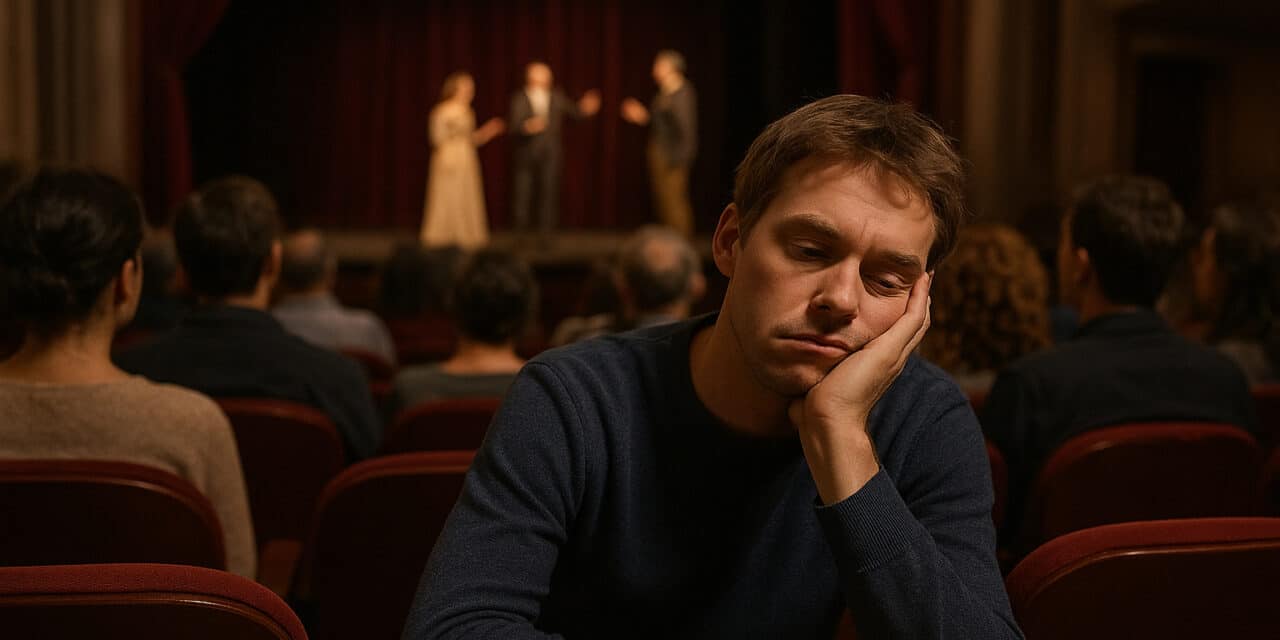
More and more people live their lives online as much as in person. For those with hearing difficulties this presents additional challenges which can lead to increased cognitive overload, inattention, and fatigue. This is especially true for those who work in professions requiring significant time in internet meetings or webinars. Inability to hear well online can adversely affect career performance.
Hearing challenges can also decrease engagement and enjoyment in public settings such as conferences, live theater, and worship. Room acoustics at these events are often not ideal, making it more difficult to comprehend speech without a struggle. People with hearing difficulties may withdraw from participating in these activities, diminishing their quality of life.
Hearing care professionals are in the best position to enable people to hear at their best throughout their day whether in person, online, or at a public event – if they learn about their patients’ total lifestyles and introduce hearing strategies for each.
Can You Hear Me?
Remember when “Zoom fatigue” became a thing during the pandemic? There are several potential causes including the inability to hear well. Jiang et. al. (1) quantified the connection, concluding that “Hearing loss was cross-sectionally associated with higher frequency of fatigue after adjustment for demographics, lifestyle factors, and comorbidities in this nationally representative sample of middle-aged and older adults.” This paper did not focus on online interactions specifically but the outcome would almost certainly not be different.
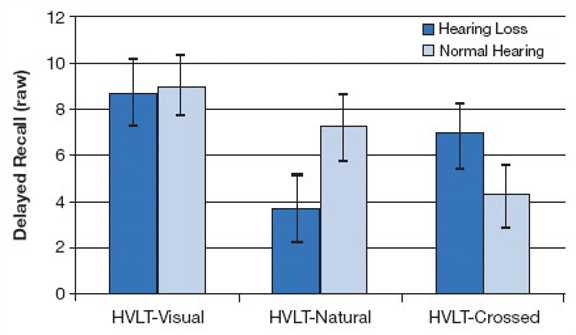
Another study (2,3) linked inability to hear well with decreased recall while wearing headphones by taking a unique approach. Subjects were divided into two groups: those with normal hearing and those with hearing loss. After being given a delayed recall test visually to screen for cognitive difficulties (Figure 1, HVLT Visual), subjects were given the test verbally through headphones. The hearing loss group scored half as well (HVLT-Natural). To confirm the result, the roles were reversed. Those with normal hearing were given simulated hearing loss while those with hearing loss listened to compensated audio. The results were reversed (HVLT-Crossed). It is clear that hearing poorly decreases recall ability, with negative effects both at work and leisure.
One might argue that hearing aids should compensate, but this is not entirely true. In large, reverberant rooms like conference centers or live theater venues, or in noisy common office spaces, hearing ability will still be impeded. In addition, typical personal computer speakers often provide inadequate audio quality. The answer is direct-to-ear streaming from the PC or sound system. Audio is compensated for one’s hearing loss, and free of noise or reverberation, thereby optimizing the listening experience. This was collaborated on by the National Acoustics Labs in a study (4) in which they concluded that “Among the evaluated listening conditions, participants’ preferred condition generally aligned with that which produced their best performances, most commonly with Bluetooth streaming to HAs and using headphones with sound-enhancing software.”
Eliminating the Disconnect
For online meetings the solution is clear – direct streaming to hearing aids. For tech-savvy individuals, pairing hearing aids directly to the PC is possible. This is, however, fraught with difficulties depending on the specific device and PC capability. Even if pairing to the PC is possible, many hearing aid models require severing the connection to a user’s phone in order to pair to the PC. This can be tedious and create difficulty.
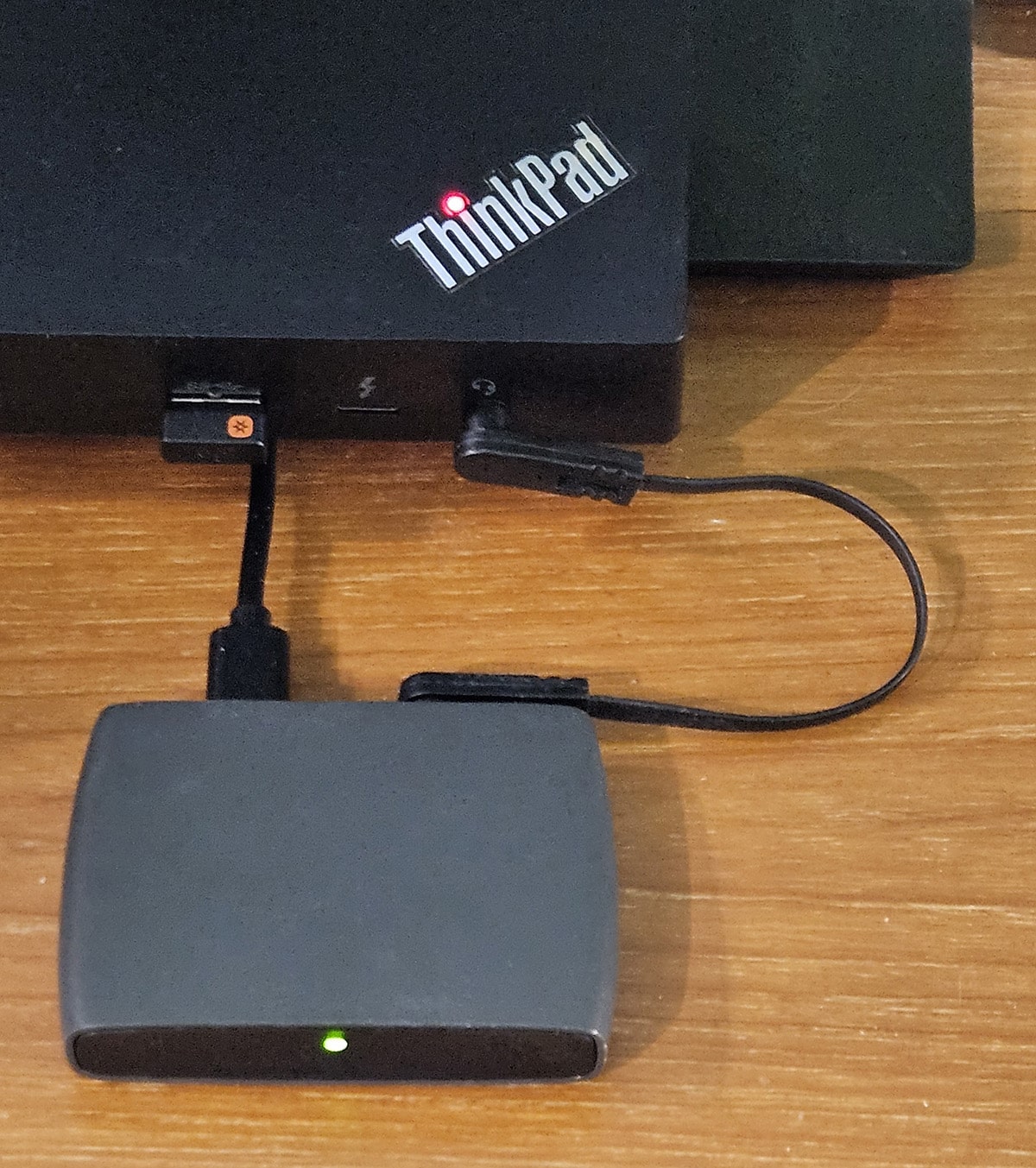
The easiest way for hearing care professionals to address this need is to recommend attaching a TV streamer to the PC headphone jack. All the major hearing aid manufacturers offer TV streamers that provide seamless connectivity without interfering with smartphone pairing. When hearing care professionals suggest this solution to their patients who need to attend work meetings online, they are providing a career boost in the form of less fatigue and improved recall.
A Little Assistance, Please
Because hearing well in large, often reverberant meeting rooms, conference facilities, and live theaters is a struggle for people with hearing difficulties, many regions around the world require that assistive listening systems be installed. There are several different kinds, all of which have the same goal – to deliver audio from the sound system directly to people’s ears. It is, however, a fact of life that far more people have hearing issues than are aware of, let alone use, assistive listening systems. This is where hearing care professionals can add value by instructing patients how to use the system at venues they frequent.
Two systems can deliver audio directly to hearing aids without intermediate devices: Hearing loops, for hearing aids with T-coils, and Auracast, for newer hearing aids that are compatible. Auracast has the additional advantage that increasing numbers of consumer earbuds can receive it, providing discreet assistance for people who have trouble hearing in their favorite venues but don’t wear hearing aids.
Other systems require the use of a small receiver and some method of getting the audio to a user’s hearing aids. Venues using a hearing loop or Auracast must also provide receivers for those without compatible devices.
Hearing care professionals can provide targeted recommendations for their patients by first asking what venues they attend. A venue’s accessibility page will usually say what system is in place. From that, one or more of three access methods can be recommended:
- Direct access (Loop or Auracast) if the patient is provided with compatible hearing aids
- Neckloop + receiver if the system is something other than a hearing loop and the patient has T-coil hearing aids. One asks the venue for a receiver and neckloop which plugs into it, then wears it like a necklace. This creates a personal hearing loop that the hearing aids can receive.
- Remote mic and audio cable for anyone without direct access. Most modern remote mics have an audio input which can be plugged into the receiver. The sound from the receiver is then wirelessly transmitted to the hearing aids, allowing for discreet use of the system. This works even for people with T-coil hearing aids who don’t want to wear the receiver around their neck.
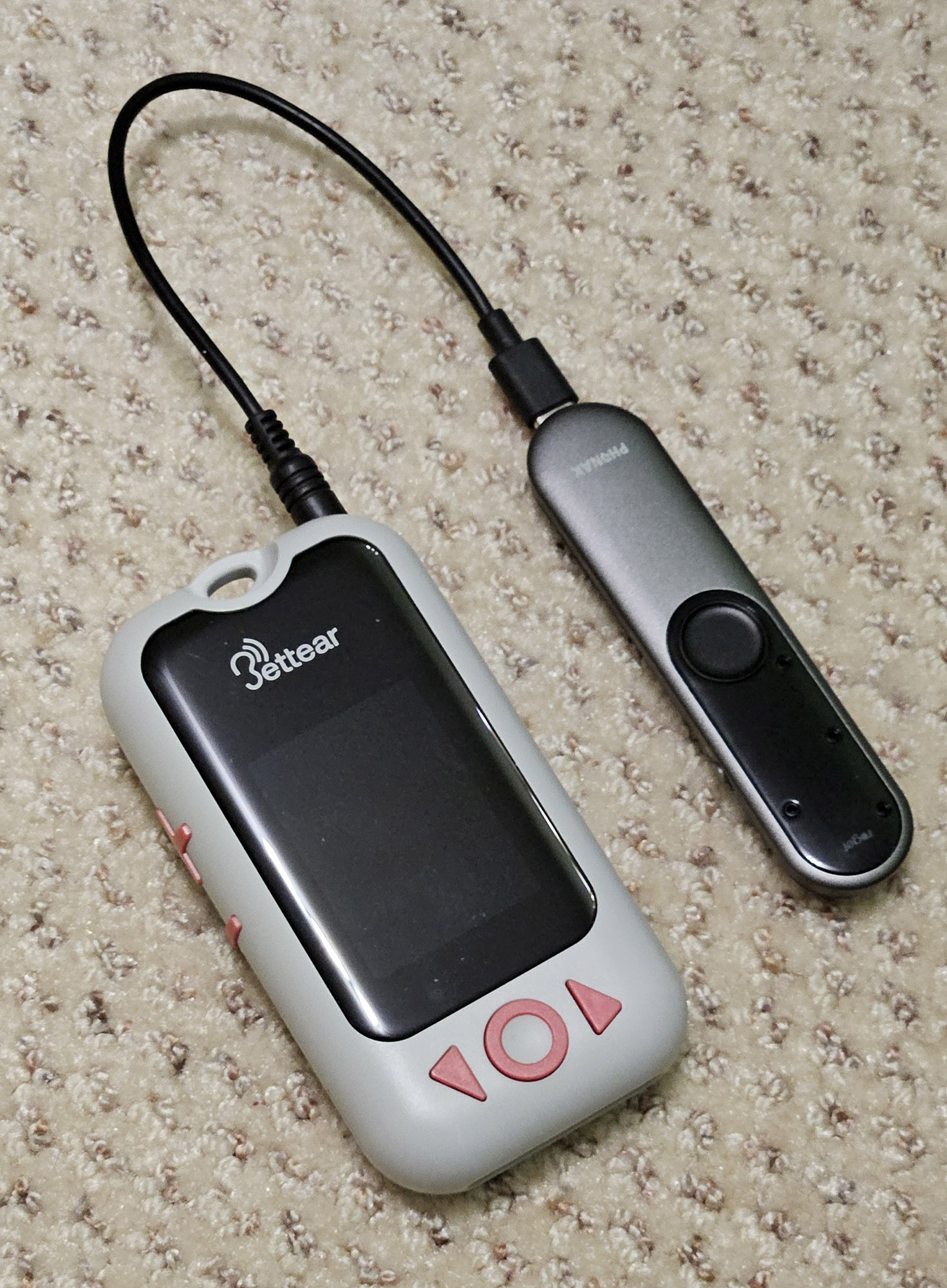
Improving Patients’ Lifestyles With Direct-To-Ear Streaming Using Auracast
Direct access is often best, allowing people to use the device of their choosing without having to call attention to themselves. Auracast builds on this capability originally pioneered by hearing loops, serving in locations where loops are difficult to install and providing easier installation everywhere.
With three of the five large hearing device companies now supporting Auracast, and the other two in “ready” mode on current products, now is the time for hearing care professionals to future-proof their patients’ access to assistive listening by making sure their next devices are Auracast compatible. Venues with loops are increasingly future-proofing access by adding Auracast. I believe hearing care professionals should do the same.
There is no reason any hearing patient should struggle to hear either online or in public venues. Providing both devices and proper instruction on assistive listening is an opportunity for hearing care professionals to address their patients’ complete lifestyles, a value-added service that can also help increase word-of-mouth recommendations in their local communities.
References
1. Jiang K, Spira AP, Lin FR, Deal JA, Reed NS. Hearing Loss and Fatigue in Middle-Aged and Older Adults. JAMA Otolaryngol Head Neck Surg. 2023 Aug 1;149(8):758-760.
2. Wong CG, Rapport LJ, Billings BA, Ramachandran V, Stach BA. Hearing loss and verbal memory assessment among older adults. Neuropsychology. 2019 Jan;33(1):47-59.
3. Wong CG, Rapport LJ, Stach, Brad A, Ramachandran V. Effect of Age-Related Hearing Loss on Neuropsychological Test Performance. Hearing Journal 73(3):p 16,17, March 2020. (Source of Figure 1.)
4. Zhang VW, Tsiolkas J, Sebastian A, Wong A, Kitterick P. Understanding and enhancing the online video call experience of individuals with hearing loss. Int J Audiol. Published online May 27, 2025. doi:10.1080/14992027.2025.2505541.
Andrew Bellavia is the founder of AuraFuturity, a go-to-market and branding consultancy in the hearing, hearables, and broader communications spaces. He also advises companies and projects such as HearChoice, a new digital decision aid tool to educate, engage and empower adults with hearing loss. Previously at Knowles Corp. in the Hearing Health Tech division, Bellavia has been embedded broadly in the hearing health ecosystem. He frequently speaks and writes on developments and trends, and is a co-host of the This Week in Hearing podcast. Bellavia is also a strong advocate for hearing care innovation and accessibility, work made more personal when he faced his own hearing loss. He has had a professional relationship with the Bluetooth Special Interest Group, a not-for-profit industry association that writes standards and verifies compliance, since April 2024.


It is correctly stated that straining to hear leads to fatigue. One of the reasons for this is that people with hearing loss rely on the two-sense principle: unreliable acoustic perception is controlled, corrected, and supplemented by visual perception: lip reading, facial expressions, gestures, and body language.
However, visual information arrives instantly at the speed of light, while acoustic information only arrives at the speed of sound, i.e., at a listening distance of 3-4 m, this is 9-12 ms. This latency means that visual and acoustic information must first be synchronized in the brain, which reduces brain performance. This is one of the causes of fatigue syndrome. Analog hearing systems, such as induction loops, have no latency, so visual and acoustic information arrive simultaneously and do not cause fatigue.
Digital audio transmissions such as Auracast, WiFi streamers, etc., however, always have a latency of 20 ms to 80 ms or even up to 300 ms. This makes them another cause of fatigue syndrome in people with hearing loss.