New over-the-counter hearing aids and smart glasses with advanced audio features were showcased by multiple companies at CES 2026 in Las Vegas.
The 2026 Consumer Electronics Show (CES) in Las Vegas featured a significant presence from the hearing health sector, with companies unveiling a new generation of over-the-counter (OTC) hearing aids, smart glasses with integrated hearing assistance, and other AI-powered audio technologies.
Smart Glasses Focus on Hearing Enhancement
A growing trend at the show was the integration of hearing technology into eyewear. EssilorLuxottica again showcased its Nuance Audio glasses, which function as an OTC hearing aid for consumers with mild-to-moderate hearing loss. The device, a CES 2025 Innovation Awards honoree, uses beamforming technology to enhance conversation clarity in noisy environments.

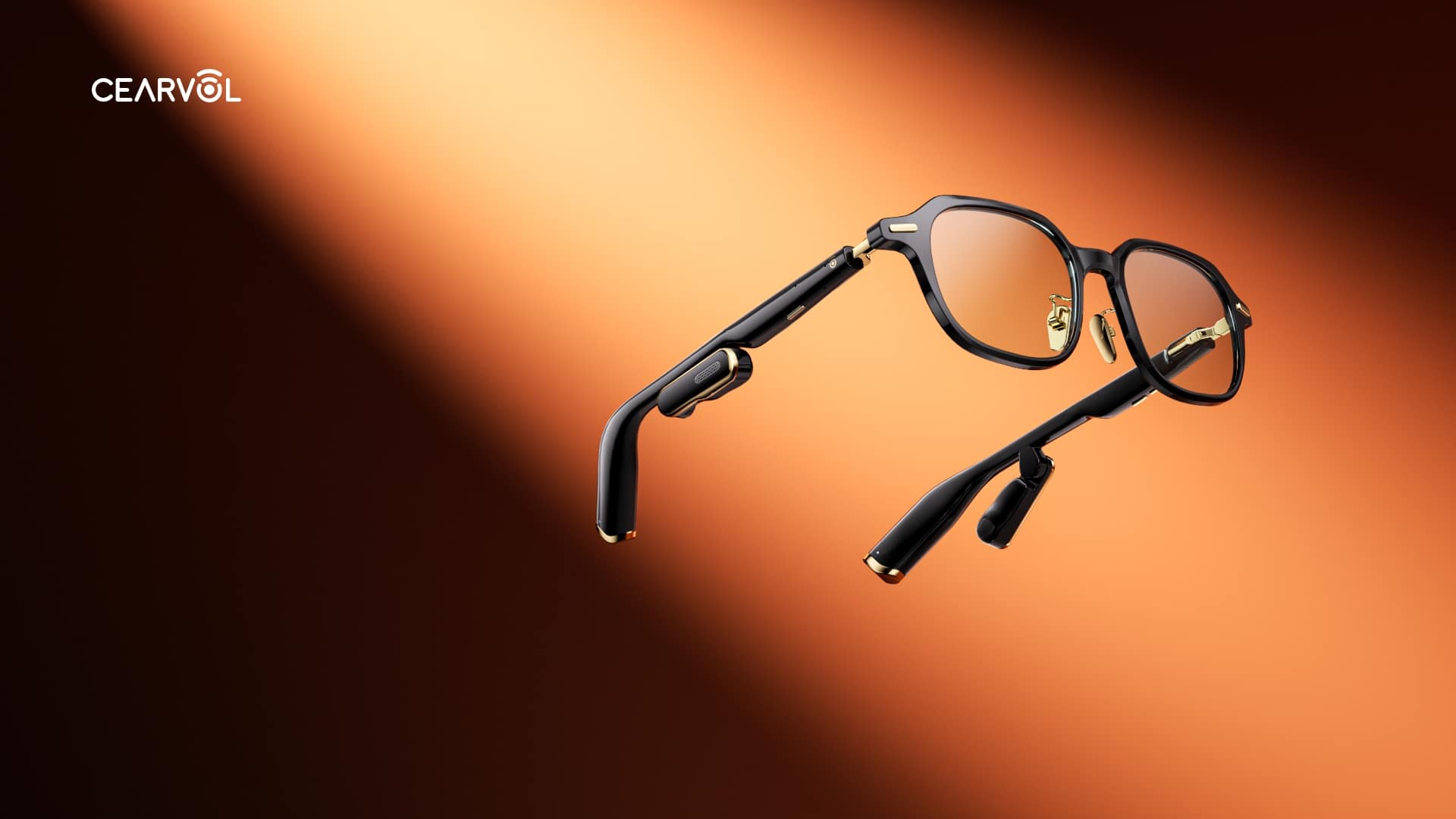
Similarly, Cearvol presented its Lyra smart hearing glasses, featuring an open-ear design and powered by the company’s NeuroFlow AI 2.0 platform for real-time environmental analysis.
Meta recently announced a new software feature, “conversation focus,” for its Ray-Ban Meta smart glasses developed with EssilorLuxottica and Oakley Meta HSTN smart glasses in the U.S. and Canada. The feature uses beamforming technology and real-time spatial processing to amplify the voice of a person the user is facing. Ray-Ban Meta smart glasses also feature live-captioning.
Other smart glasses on display included Captify Pro, which transcribes spoken words in real-time onto the lenses, and early-stage concepts from Shokz, which is exploring future wearable audio experiences.

New OTC Hearing Aids Emphasize AI and Discreet Design
Several companies introduced new OTC hearing aids designed for discreet wear and enhanced functionality.
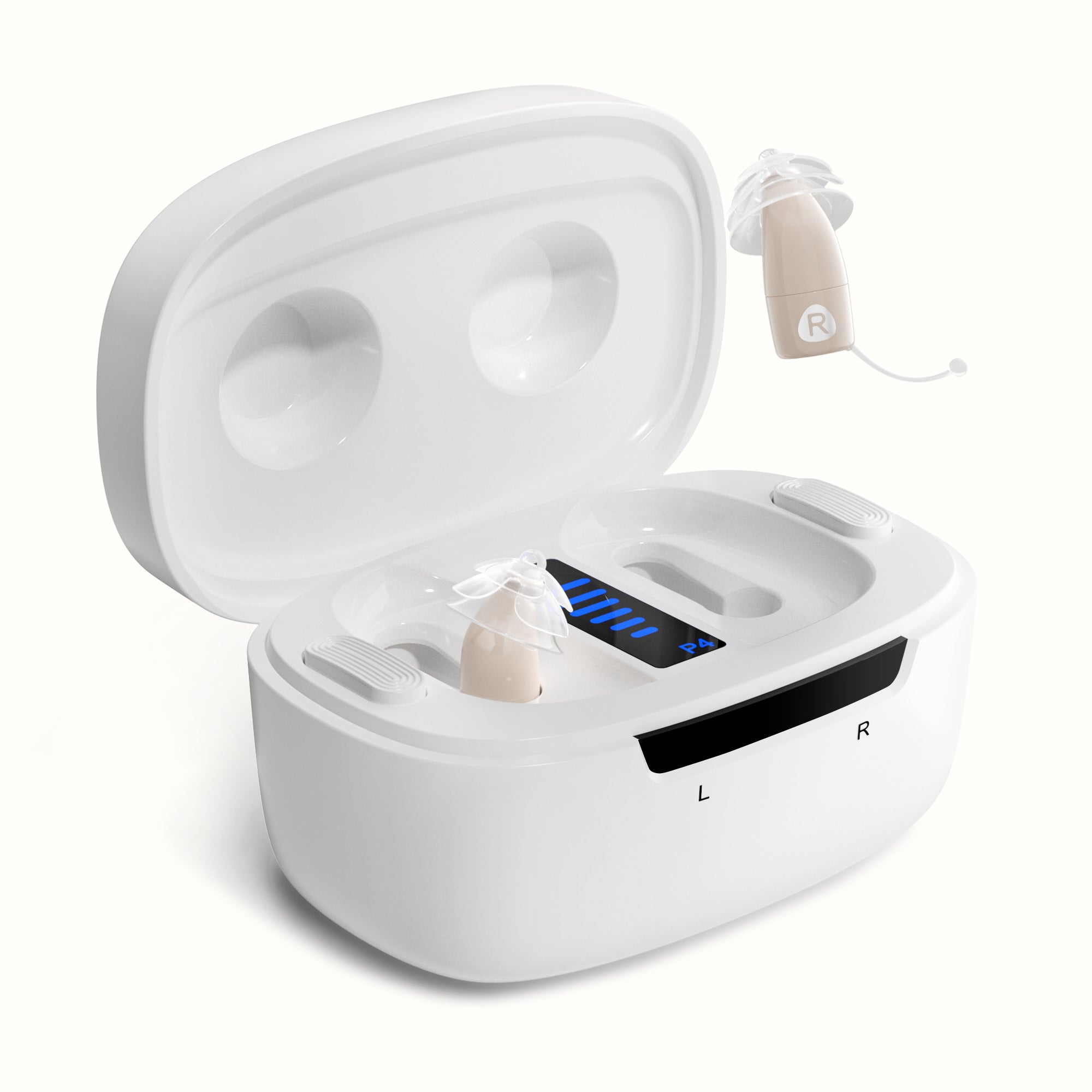
Elehear introduced Delight, an FDA-registered completely-in-canal (CIC) OTC hearing aid. The device operates on the company’s VocClear AI engine to adapt sound processing in real time, delivering up to 24 dB of noise reduction and 45 dB of amplification. It also includes Bluetooth 5.3 for audio streaming, an AI-powered real-time translation function, and a white-noise feature for tinnitus comfort.

Ceretone showcased its Core One Pro, an invisible-in-canal (IIC) hearing aid weighing 1 gram. The device features four listening modes, including a tinnitus masking setting, that are adjusted using a screen integrated into its charging case, eliminating the need for a smartphone app.
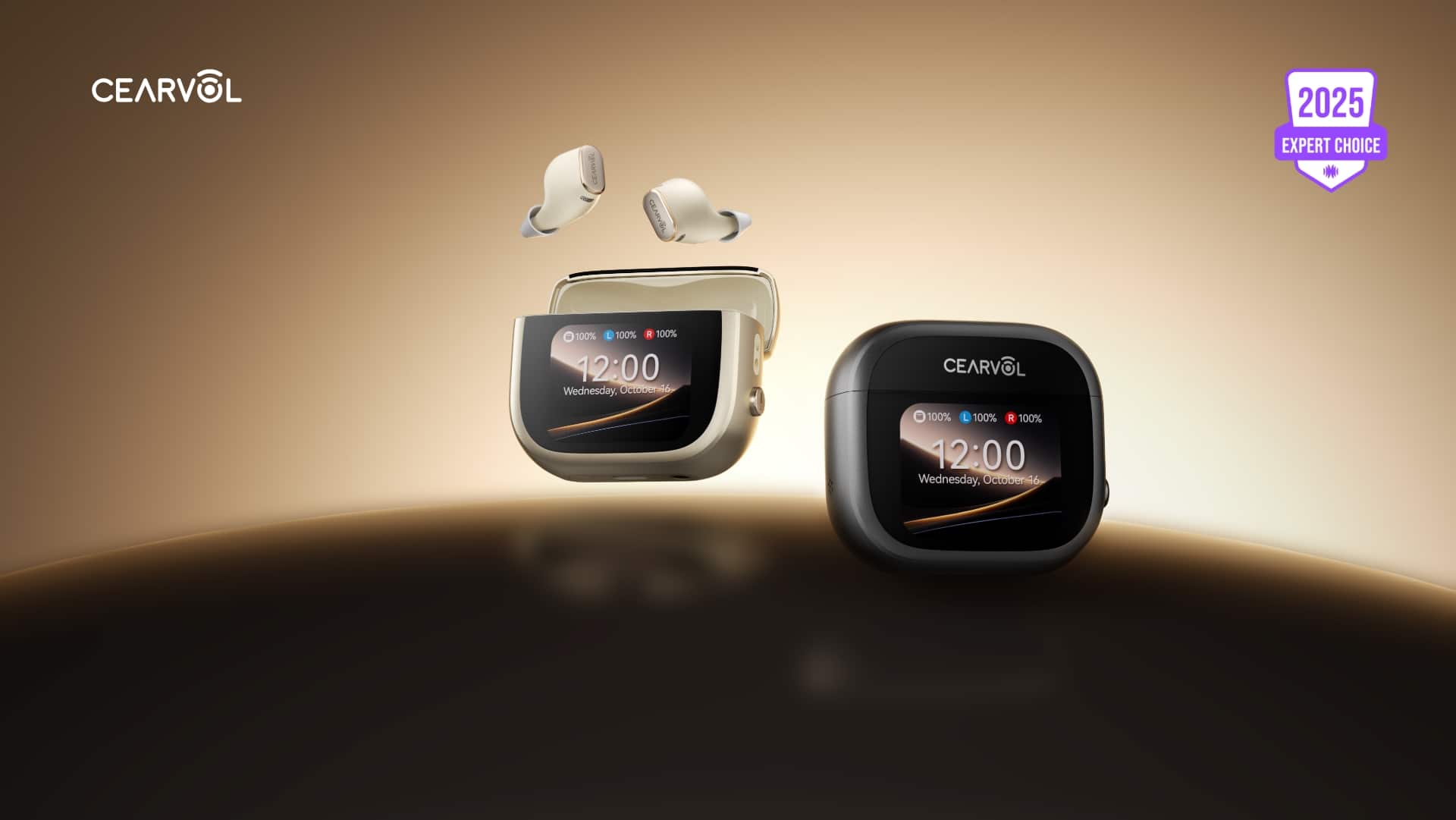
Cearvol made its CES debut with a portfolio of AI-powered hearing wearables for mild to moderate hearing loss, including the Cearvol Wave, which features a touchscreen charging case, and the Cearvol Liberte, an open-ear hearing aid. The new products are powered by the NeuroFlow AI 2.0 platform, which the company states provides approximately 24% improvement in speech enhancement and up to 20 dB of noise reduction.
Recommended for You: