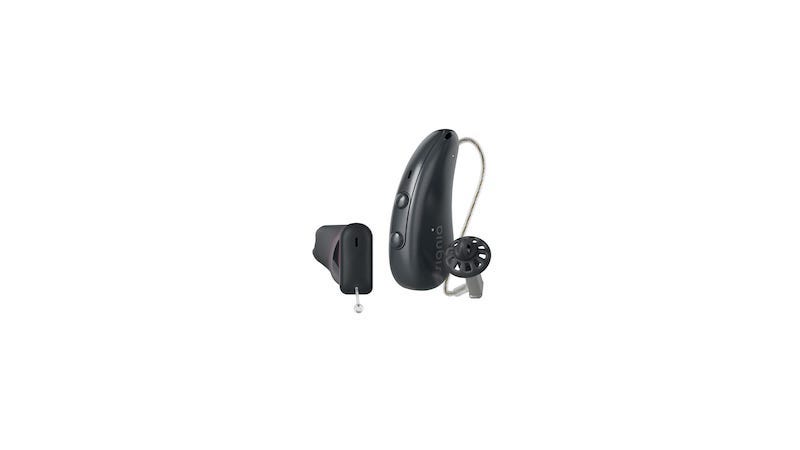
Oticon Introduces Play SI Pediatric Hearing Aid Family
The new pediatric line features second-generation AI sound processing, 4D user-intent sensors, and next-generation connectivity.
Developed by the National Acoustic Laboratories, the system builds on NAL-NL2 and is designed for more precise, personalized hearing aid fittings.
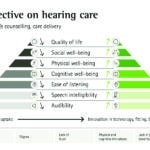
These evidence-based clinical recommendations emphasizing holistic care provide actionable ways for hearing care professionals to address the complex relationship between hearing and cognition in their practices.
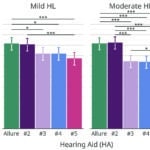
The partnership highlights the performance of Widex Allure hearing aids for athletes managing congenital hearing loss.
The rechargeable completely-in-canal device features binaural one-mic directional technology designed to improve speech understanding in noise.
On World Hearing Day, Nuance Audio points to scientific evidence on the measurable effects of listening effort, delayed care, and dual sensory challenges.
Sound quality in digital hearing aids is often compromised due to signal-processing delay and the resulting “comb-filter effect.” To change this, Widex recently introduced a new solution, designed particularly for mild-to-moderate hearing losses, which employs an ultralow delay. This results in a sound quality that has, until now, been unattainable in digital hearing aids. This article describes the physics of hearing aid delay, and presents a field study on the sound quality experience of the new system.
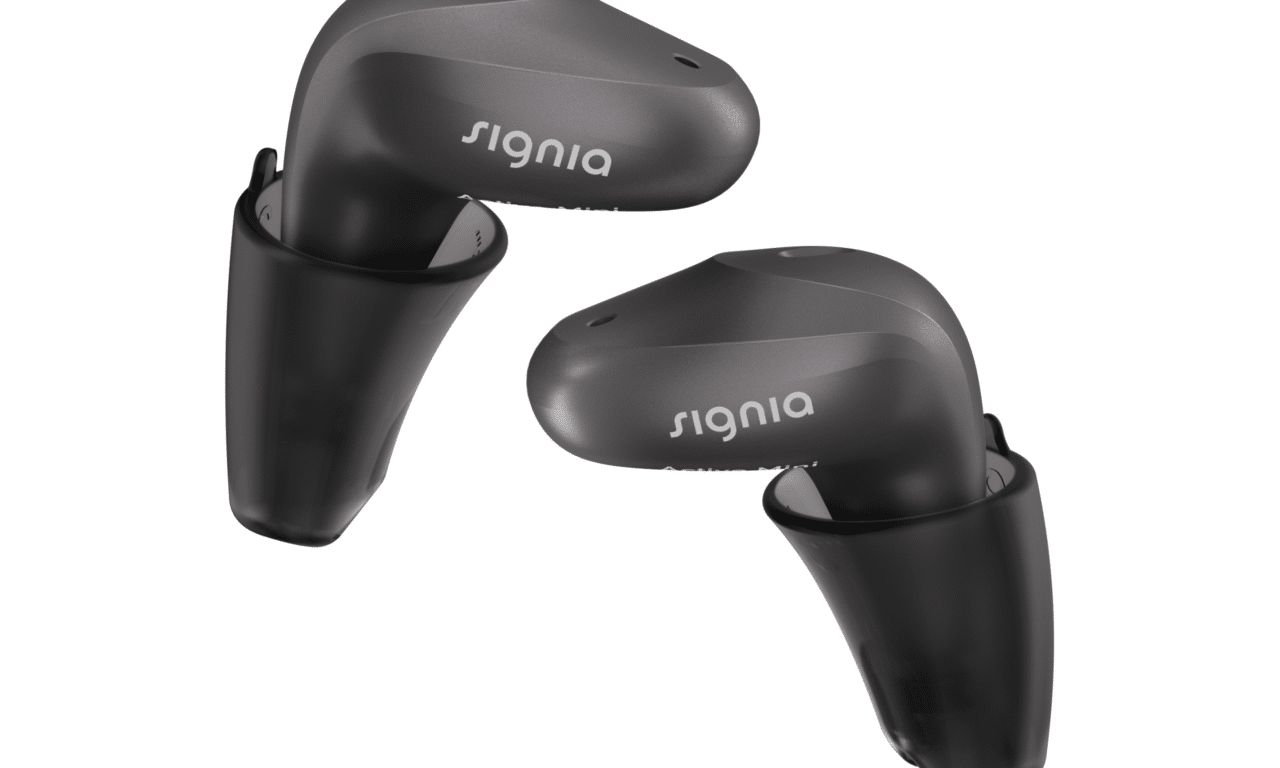
Signia launched a new technology that enables hearing aid wearers to hear all speakers in noisy group conversations clearly.
The strategic agreement brings the US company's mobile hearing and tinnitus platform to the Japanese consumer market.