InnoCaption Marks 10th Anniversary with 30 Million Captioned Calls, Names New CEO
nnoCaption is announcing a planned leadership transition to guide its next phase of growth.

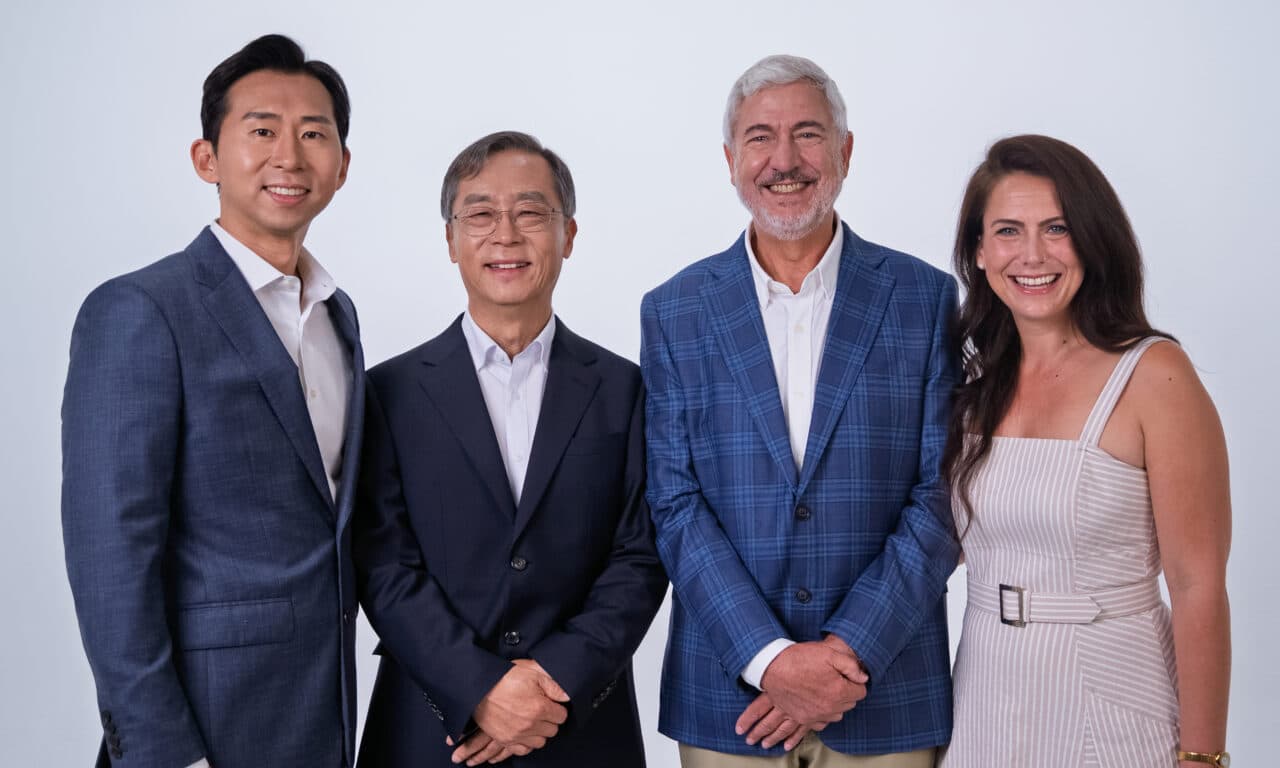
nnoCaption is announcing a planned leadership transition to guide its next phase of growth.

For 2025, InnoCaption has again been named to the Inc. 5000 list of America’s fastest-growing private companies.







New research highlighted the positive impact of the InnoCaption captioning app on the quality of life for individuals with hearing loss.


Shari Eberts wrote an open letter—that turned into a petition with 58,000 signatures—asking video conferencing companies to remove the paywall from their captioning services.
Read More
A new paper from a group of private-practice audiologists explores how the future of hearing healthcare depends upon recognizing and serving patients from a whole-person perspective—moving away from the narrow view of addressing hearing loss through amplification only, to becoming “hearing loss mitigation counselors” and treating the needs of the individual.
Read More
Two letters were sent to the FCC supporting these standards: one from Reps. Jim Langevin (D-RI) and Don Young (R-Alaska), co-chairs of the Bipartisan Disabilities Caucus, and one from Sens. Jon Tester (D-Mont.) and Jerry Moran (R-Kan.)
Read More
During this emergency, there may be times that prompt connection time takes a little longer. Providers are doing their best to fully staff their call centers to ensure that the phones are answered as quickly as possible.
Read More
Though CART stenographers are often present at public speeches, according to the article, they aren’t always available in classroom settings unless specifically requested.
Read More
The settlement is part of a a case brought against the school that alleged it discriminated against deaf and hard-of-hearing people, according to “AP.”
Read More
According to the article, Audacious will be available to Boots Hearingcare customers.
Read More
Human beings are social creatures. This special report, featuring comments from leading experts in psychology and audiology, reviews new and important research on hearing loss, and shows why audiological care needs to renew its focus on helping patients regain their communication and social engagement activities—those things that make life meaningful and rewarding.
Read More
Building upon 80 years of experience in audio technology, AtlasIED’s latest offerings are said to be engineered to meet the most common challenges in today’s commercial installations.
Read More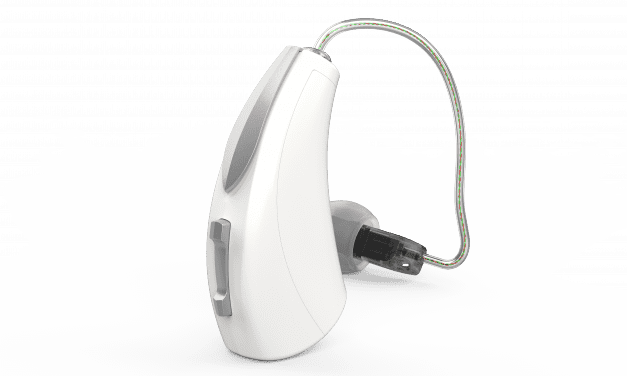
Building on the recent launch of the “world’s first Healthable hearing technology,” Livio AI, Starkey Hearing Technologies announced the “first-ever” Fall Detection and Alert capability within a hearing aid, as well as Heart Rate Measurement and built-in Virtual Assistant, on the eve of the 2019 Consumer Electronics Show in Las Vegas, January 8-11.
Read More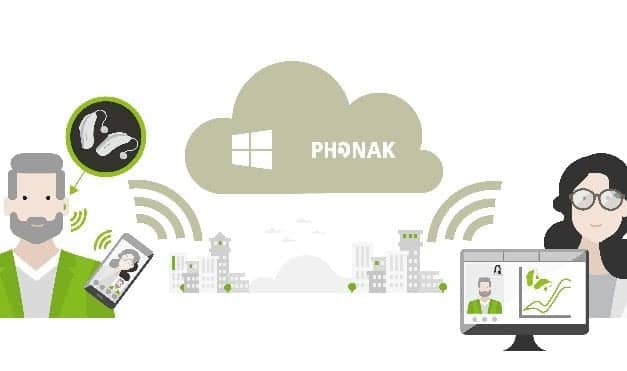
The new service is designed to increase access to hearing care over distance by helping to enable remote fine-tuning of Phonak Audéo Marvel hearing aids from virtually anywhere in the world.
Read More
Widex has announced the launch of WIDEX TV PLAY™, a high-end TV accessory and streaming solution for WIDEX EVOKE™ hearing aids, which also recently received the Red Dot Design Concept Award.
Read More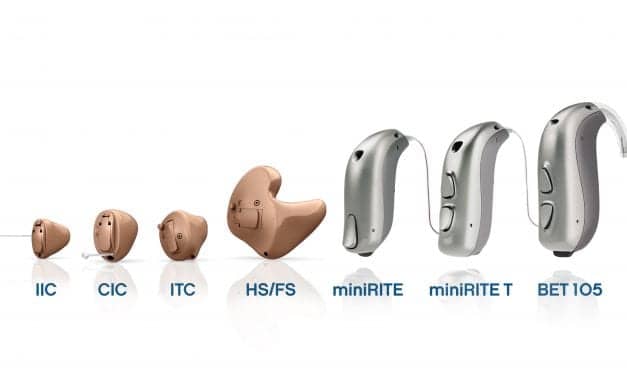
Designed with a focus on size to create a “first-rate fit,” Enchant custom models reportedly use a variety of venting, amplifier, and battery configurations to build the smallest possible instruments to satisfy individual preferences for style, comfort, and gain. Feature options include four receiver sizes (75-100 dB), advanced wireless communication with 2.4 GHz, Near Field Magnetic Induction (NFMI) technology, dexterity enhancements for easier handling, and more.
Read More
Denmark-based Widex launched the WIDEX EVOKE hearing aid in April. The hearing aid is reportedly the first to give users the ability to employ real-time machine learning that can solve the tricky hearing problems that users face in their daily lives.
Read More
Users will be able to connect and monitor their hearing aids without using an intermediate device for streaming from Android phones and tablets to their hearing aids.
Read More