InnoCaption Launches Video Calling App with Real-Time Captions
The new app provides AI-powered, always-on captions to improve accessibility for people with hearing loss.


The new app provides AI-powered, always-on captions to improve accessibility for people with hearing loss.
Nagish, a provider of AI-powered phone captioning and transcription tools for the deaf and hard of hearing, has been named the 2025 Speech to Text Solution of the Year by the AI Breakthrough Awards.


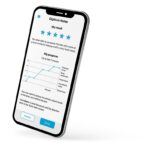


The Hearing Number app, available for iOS and Android, enables users to measure, track, and understand their hearing health.


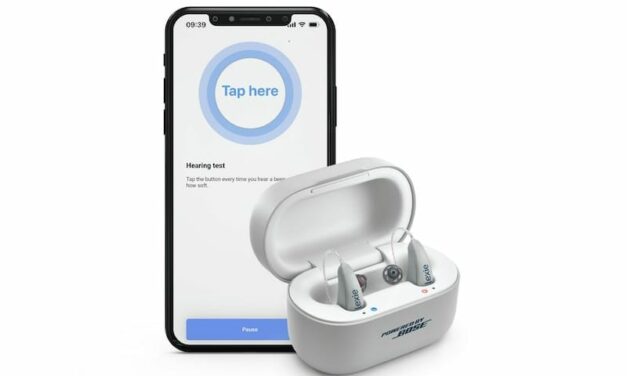
The optional in-app hearing test provides wearers with recommended hearing aid settings tailored to their unique hearing profile.
Read More
The innovative technologies on display at CES 2024 could help audiologists aid their patients’ hearing health journey.
Read More
A research team has shown that the debilitating impact of tinnitus can be reduced in just weeks by a training course and sound therapy.
Read More
The OrCam Hear is designed to amplify the voice of targeted speakers, while removing other voices and ambient noise.
Read More
There is research, mobile apps, and other resources available to help people plan for sound-safe dining experiences and protect their hearing.
Read More
Helen Keller Services unveiled an online course to help older adults adapt to combined hearing and vision loss with the help of technology.
Read More
The benefits of this new generation of hearing aids requires a deeper level of collaboration between provider and wearer.
Read More
Suno has launched a new mobile app, to help audiology practices manage schedules and communicate with patients.
Read More
Singular Hearing, a subsidiary of Singular Software and creator of HeardThat, announced it gained the runner-up distinction at the AGE-WELL National Impact Challenge 2022 for its hearing-assistive, AI-powered app. HeardThat was one of six finalists that pitched their innovation at the AGE-WELL Annual Conference, a Canadian conference discussing current issues and innovations in the field of technology and aging.
Read More
The Australia-based research institute National Acoustic Laboratories (NAL) has released its 2021 Annual Impact Report detailing its research and projected future trends in hearing healthcare for the previous year.
Read More
The National Acoustic Laboratories (NAL) in Australia has addressed masking and language comprehension problems by developing the free NALscribe iPad app that clinics can use to make communication easier for people struggling to hear.
Read More
While tinnitus has no known cure, one science-based app, Diapason, can help offer relief to some of the 50 million people suffering in the US. Beginning on World Hearing Day, March 3, Diapason announced that it will offer $25,000 worth of free subscriptions during March.
Read More
Beltone, a hearing care retailer with approximately 1,500 locations in North America, announced the launch of Beltone Rely, a full collection of hearing aids “offering proven technology and advanced features and services normally only available in premium-priced hearing devices.”
Read More
ClEAR, a company that develops products for individuals with hearing loss, announced the launch of its “category-defining digital therapeutic for hearing loss that enables organizations to offer comprehensive, evidence-based hearing healthcare to their populations,” called Amptify.
Read MoreEnergous’ WattUp wireless charging technology is based on radio frequency (RF), which helps provide “a number of benefits for wireless charging, including the ability to fit into small form factor products and devices without flat surfaces.”
Read More