Globo, Enghouse VidyoHealth Partner to Streamline Telehealth Interpreter Access
The integration embeds on-demand language services into virtual care workflows to support patients who are Deaf, hard of hearing, or have limited English proficiency.
Audiologist De Wet Swanepoel received the award for his research on mobile hearing care, which aims to expand access to underserved communities worldwide.
Teleaudiology can provide convenient and flexible post-fitting hearing health.
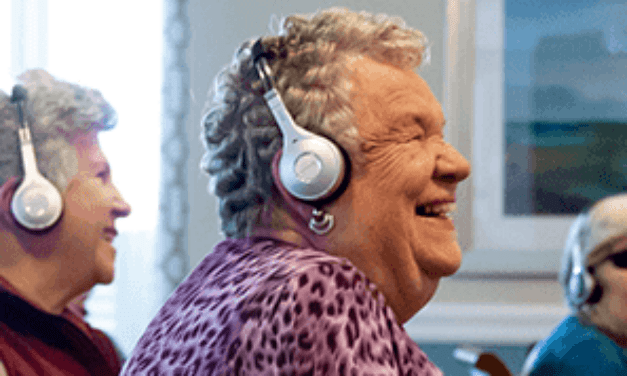
Eversound, a company that provides assistive listening technology and social engagement applications to senior living communities, has announced its intention to provide teleaudiology services in these same centers and is actively seeking hearing care professionals to join their efforts.
Read MoreEversound, a company providing hearing technology and interactive programs to senior living communities, announced the launch of the “first fully facilitated tele-audiology hearing health program in the United States.” Eversound plans to roll out the new telehealth service to their more than 1,200 US senior living community customers who serve approximately 130,000 residents.
Read MoreAmplifon Hearing Health Care, an independent provider of hearing benefit solutions in the US, announced the launch of its virtual care program to increase hearing loss awareness, prevention, and early intervention.
Read MoreAccording to the company’s announcement, Tuned allows hearing healthcare professionals to gain access to a HIPAA-compliant SaaS platform to schedule appointments, conduct online hearing screenings, earn revenue, and more, all for free.
Read MoreDeveloped under an NIH research grant, Amptify is an online aural rehabilitation program and Hearing Health Coach that engages patients and enhances the new hearing aid experience without incurring additional time on the part of a patient’s audiologist. As teleaudiology becomes more commonplace, it is highly likely that Amptify will be the first of many digital therapeutics for the treatment of hearing loss.
Read MoreTogether, the companies are “making virtual care more accessible to more people, which serves to improve patient outcomes, reduce readmission rates, and increase overall patient well-being,” according to the companies’ announcement.
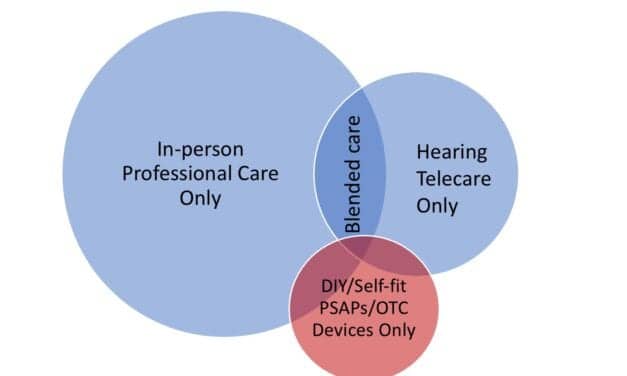
Read MoreWith the rise of telecare and DIY/self-fit hearing devices (for at least milder hearing losses), hearing healthcare stakeholders will need to determine how and in what markets they do business.
Read MoreThe Phonak Blended Real-time Interactions and Digital-Guided Experiences (BRIDGE) model provides a flexible method for delivering critical components in hearing healthcare via eAudiology. While the BRIDGE is exceptionally useful for traversing the pandemic, its true value lies in future patient care models.
Read MoreExpanding hearing care outside the walls of the clinic requires solutions that involve the hearing care professional as well as apps that empower the users. Widex Remote Care provides a comprehensive solution for the hearing care professionals working remotely, with access to all fitting functionality, while Widex apps help hearing aid users personalize their sound in the moment. Data from the AI-functionality in Widex apps show how users react to changes in their environment, including major ones like the COVID-19 crisis.
Read MoreDr Gabrielle Saunders, a senior research fellow at The University of Manchester, says findings from the survey of 140 audiologists are a rare positive in the crisis which has caused misery across the world.
Read MoreThe study reported several boons for telehealth patients, including reductions in stress, missed work, the number of hospital visits, travel time, and exposure to pathogens, in addition to improving access to care with the option for out-of-state consultations.
Read MoreExceptional sound quality—above all the other “bells and whistles” that the latest generation of hearing aids provide (eg, connectivity, remote fine-tuning, hands-free phone calls, motion-sensors and tap controls, virtual assistants, etc)—may turn out to be THE final hurdle for convincing younger people with milder hearing losses to purchase a hearing aid.
Read MoreA large selection of teleaudiology solutions now exist that provides greater practice efficiencies and much higher levels of outreach and accessibility for your patients—and for other consumers who should be your patients. Here is just a brief sampling of some of the options for enhancing your teleaudiology capabilities.
Read MoreAs many people continue to work remotely, they continue to rely on technology like Zoom to stay in...
Read MoreSignia has announced the debut of what it calls the world’s first setting for a hearing device which specifically improves audibility for those communicating with someone wearing a face covering. Built within the company’s proprietary app, Signia’s Face Mask Mode is reportedly the most complete solution on the market, requiring no in-person adjustments with a hearing care professional.
Read More