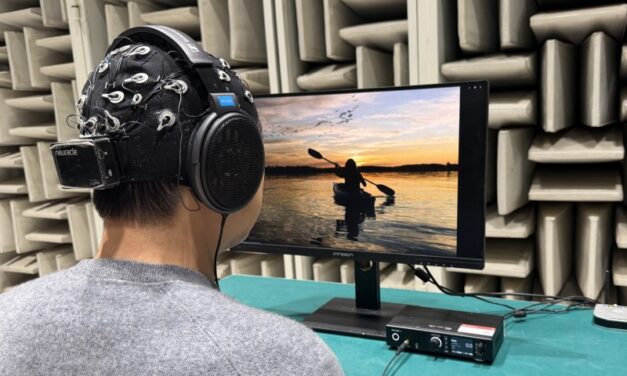
Closing Eyes May Actually Impair Hearing in Noisy Environments, Study Finds
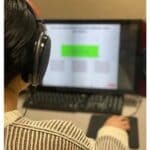
New research published in JASA suggests that in noisy settings, visual engagement improves auditory sensitivity.
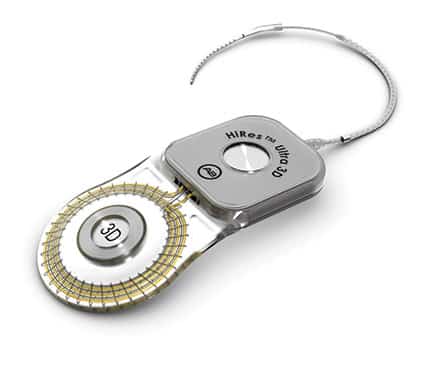
The 2026 award recognizes Ingeborg and Erwin Hochmair for their contributions to cochlear implant technology.
A deep transfer learning AI model predicted spoken language outcomes in children one to three years after cochlear implantation with 92% accuracy.
A new study finds that humans’ ability to focus on a single voice in noisy environments—known as selective attention—appears not to originate in subcortical structures like the brainstem or auditory nerve.
Read MoreDespite advances in hearing technology and satisfaction rates, new Eurotrak UK 2025 data reveals that many people still avoid getting hearing instruments for the same reasons as in years past.
Read MoreAn eight-year study underscores the critical need for universal newborn screening for congenital cytomegalovirus (cCMV), revealing that one-third of related hearing loss cases develop after birth and would be missed without early detection programs.
Read MoreA University of Oklahoma researcher is studying how children with cochlear implants use sensory feedback from their mouths and tongues to develop speech, exploring whether enhancing oral motor training could improve language outcomes.
Read MoreUpdated pivotal trial results show that Regeneron’s investigational gene therapy DB-OTO led to rapid, clinically meaningful, and sustained hearing improvements in nearly all children with OTOF-related profound genetic hearing loss, with some achieving normal hearing and improved speech development.
Read MoreA new study has identified how electrical charges in the inner ear trigger TMPRSS3-related hearing loss—and found that a common drug may help prevent it.
Read MoreThe therapy targets mutations in the CLIC5 gene, which affect hair cell stability and lead to progressive hearing and balance impairments.
Read MoreResearchers achieved a breakthrough by keeping a sliver of the mammalian cochlea alive outside the body, directly revealing the biomechanics of hearing and opening new avenues to treat sensorineural hearing loss.
Read MoreThe study found that while clinicians focused on the stigma of hearing aids, patients were more concerned about the stigma of hearing loss itself.
Read MoreA large-scale study found no evidence that musical training enhances early auditory brain processing, challenging long-held assumptions.
Read MoreLineage Cell Therapeutics has entered into a $12 million research collaboration to advance its auditory neuronal cell transplant, ReSonance.
Read MoreResearchers have identified what causes “specific musical anhedonia”—a condition where people feel no pleasure from music.
Read MoreResearchers have adapted the low-cost OCT imaging method developed for ophthalmology and used it to visualize tiny structures in the human inner ear.
Read MoreHIA’s MarkeTrak 2025 study of the U.S. hearing loss market provides new data on prescription hearing aids, OTC devices, and emerging technologies.
Read MoreBIHIMA’s EuroTrak UK 2025 survey reveals rising satisfaction among hearing device users, but also a slight dip in adoption.
Read More