A 6-year-old boy with Cockayne syndrome — a rare genetic disorder that causes hearing loss, vision impairment, and early death — has become the first child to receive an experimental AAV9 gene therapy developed through a parent-led initiative.
A child diagnosed with Cockayne syndrome, a severe genetic disorder that causes progressive hearing loss, brain atrophy, and early death, has received an experimental gene therapy in what advocates are calling a historic milestone for rare disease drug development.
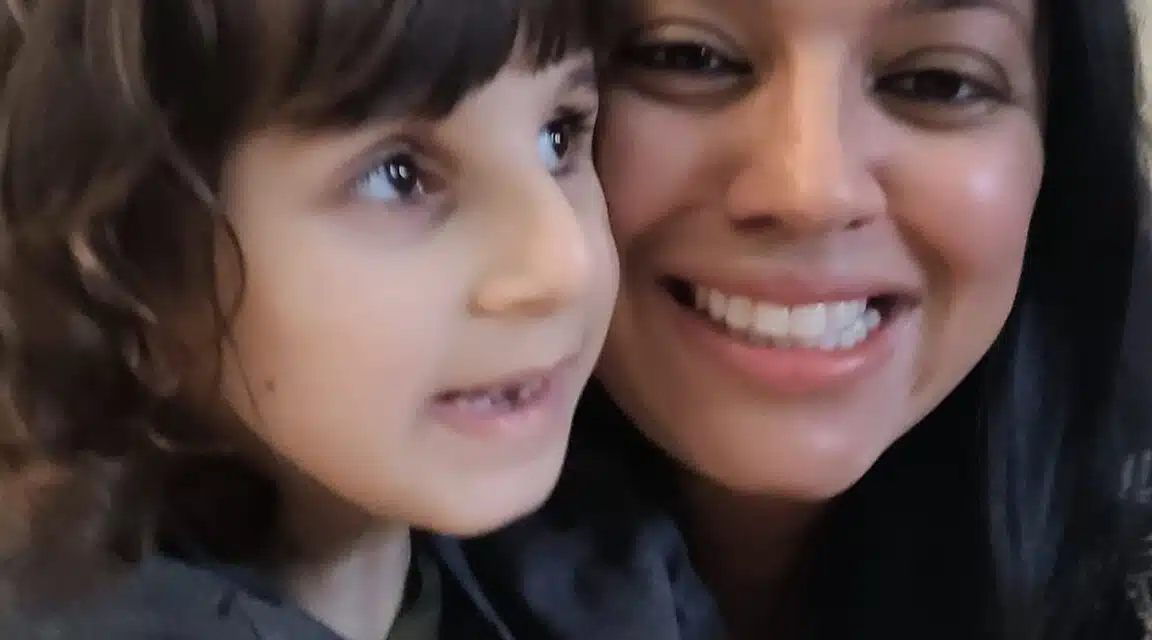
Riaan Singh Digeorge, 6, of Queens, NY, received the treatment on April 21, 2026, at NewYork-Presbyterian Komansky Children’s Hospital of Children’s Hospital of New York. The procedure was performed by surgeon-in-chief Dr Mark Souweidane. There are no FDA-approved treatments for Cockayne syndrome.
For audiologists and hearing healthcare professionals, the case is noteworthy: hearing loss is among the hallmark manifestations of Cockayne syndrome, a condition that affects DNA repair and transcription and causes a cascade of neurological and sensory deterioration — including auditory dysfunction — in children who are often severely impacted by age 5 to 7.
A Parent-Led Path to the Clinic
The gene therapy was developed through Riaan Research Initiative (RRI), a rare disease patient advocacy organization founded in June 2021 by Riaan’s parents, Jo Kaur and Richard Digeorge, shortly after their son’s diagnosis. Over nearly five years, RRI raised close to $4 million and coordinated every stage of development — from preclinical studies at UMass Chan Medical School and toxicology work at Charles River Laboratories to GMP manufacturing at Andelyn Biosciences and the Investigational New Drug (IND) submission and regulatory review process. The FDA cleared the IND application sponsored by UMass Chan.
The therapy uses an adeno-associated viral vector (AAV9) to deliver a functional copy of the ERCC8/CSA transgene directly to the brain. In preclinical mouse studies, treated animals showed an 8.5-fold increase in lifespan. Miguel Sena-Esteves, PhD, associate professor of neurology and genetic and cellular medicine at UMass Chan Medical School and director of the Translational Institute for Molecular Therapeutics, served as the sponsor representative.
“Richie and I never imagined that our parenting journey would lead us to become drug developers, and we are grateful for the scientists and clinicians who helped us bring this treatment to our son,” says Kaur, founder of RRI and Riaan’s mother, in a release. “We are hopeful to expand to other children who are also awaiting treatment.”
Relevance to Audiology
Cockayne syndrome is estimated to affect approximately 1 to 3 per million people and falls into a class of ultra-rare conditions for which conventional drug development models have historically offered little traction. Hearing loss in Cockayne syndrome is sensorineural in nature, reflecting the underlying DNA repair defect that disrupts normal cellular maintenance in the cochlea and auditory pathways. Children with the condition often require audiological monitoring, hearing aids, and multidisciplinary intervention as part of their care management.
The RRI case illustrates a broader trend in rare disease research: parent-advocacy organizations increasingly driving early-phase drug development in the absence of pharmaceutical industry investment. For hearing healthcare providers managing patients with syndromic hearing loss, the progress on Cockayne syndrome may signal emerging therapeutic options that could one day intersect with audiological care planning.
Two months following the procedure, Riaan continues to recover.
“We are blown away by Riaan’s superhuman resilience and good nature. He was laughing and playing balloon volleyball in PICU the day after neurosurgery,” says Kaur in a release. “It has been two months since treatment, and while it obviously hasn’t been easy, Riaan’s smile and zest for life carry us all forward. Each day brings excitement and possibility.”
RRI has indicated plans to expand the program to additional patients. More information is available at riaanresearch.org.