Fennec Pharmaceuticals Reports 78% Revenue Jump as Pedmark Demand Reaches Record High
Fennec's Pedmark is reportedly in demand as the only FDA-approved therapy to reduce cisplatin-induced hearing loss in pediatric patients.

Fennec's Pedmark is reportedly in demand as the only FDA-approved therapy to reduce cisplatin-induced hearing loss in pediatric patients.

The new pediatric line features second-generation AI sound processing, 4D user-intent sensors, and next-generation connectivity.




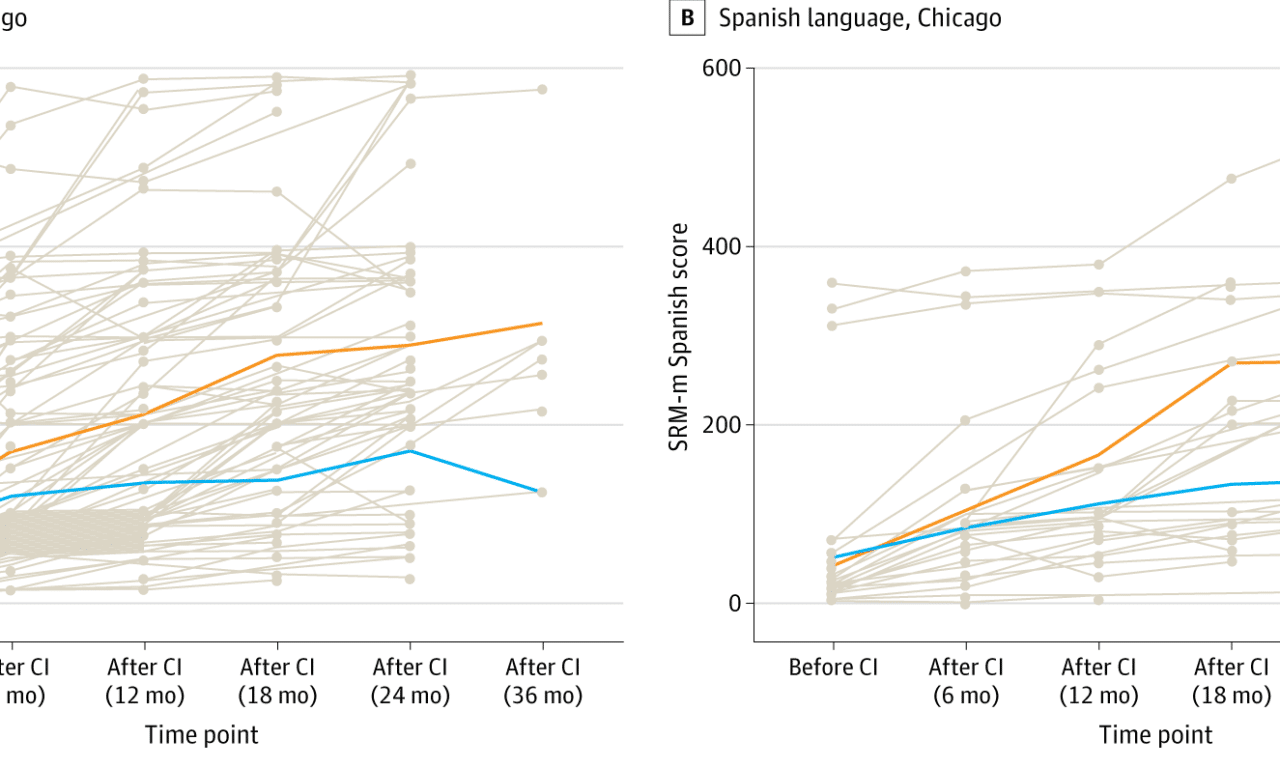
A deep transfer learning AI model predicted spoken language outcomes in children one to three years after cochlear implantation with 92% accuracy.
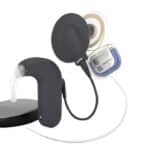

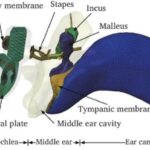




A recent study of outcomes in infants and young deaf children with cochlear implants suggests that socioeconomic status plays a major role in whether spoken language becomes their primary communication mode.
Read More
As the fund’s inaugural supporter, Starkey will help UNICEF deliver early screening, assistive technology, and broader disability support to children worldwide.
Read More
This tool allows doctors to tailor interventions like hearing monitoring or STS use based on each child’s specific risk of cisplatin-induced hearing loss.
Read More
Sensorion will present early clinical trial results of its gene therapy SENS-501 for treating severe pediatric hearing loss at the 2025 ASPO meeting.
Read More
A new study reveals that binaural pitch fusion, crucial for understanding speech in noisy environments, continues to develop later than thought in children, presenting new opportunities for treatment and intervention.
Read More
Investigational gene therapy DB-OTO showed promising improvements in hearing and speech development in children with otoferlin-related genetic hearing loss.
Read More
The two draft standards from APSO will cover pediatric hearing evaluation and the intake process of general audiologists.
Read More
Angela Bonino, PhD, discusses her research on the lack of access to adequate hearing assessments for children with developmental disabilities.
Read More
Tricare provides hearing aid coverage for eligible children of retired service members, enhancing access to essential auditory care.
Read More
Children with cochlear implants show improved language development when their early vocabularies include more shape-based nouns.
Read More
The lecture at CI2025 Boston will focus on how language prediction can improve outcomes for children with cochlear implants.
Read More
A new study of Phonak Target Track data provides insight into fitting and usage patterns among pediatric users up to 18 years.
Read More
The family film Rally Caps highlights the power of team building, friendship, and breaking down stigmas associated with hearing loss.
Read More
Children with developmental disabilities—1 in 6 children in the United States—are less likely to access a gold-standard hearing assessment in the first three months of hearing care, a recent paper reported.
Read More
We need to increase awareness about testing for cCMV so this cause of non-genetic deafness in newborns can be diagnosed and treated.
Read More