NIH Awards $1.84M to Develop Spider-Inspired Ear Canal Probe for OAE Detection
The dual-sensing ear canal probe technology is inspired by how spiders send sound through their webs.


The dual-sensing ear canal probe technology is inspired by how spiders send sound through their webs.
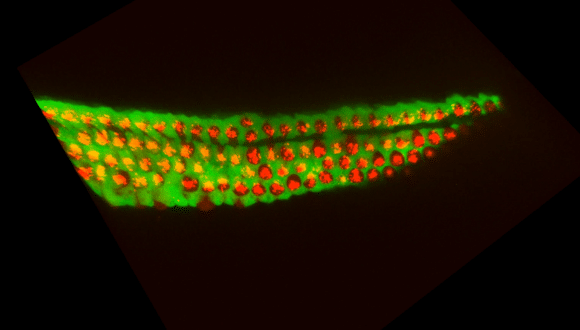
Israeli and US researchers have identified a biological mechanism that prompts supporting cells in the inner ear to regenerate into sensory hair cells.





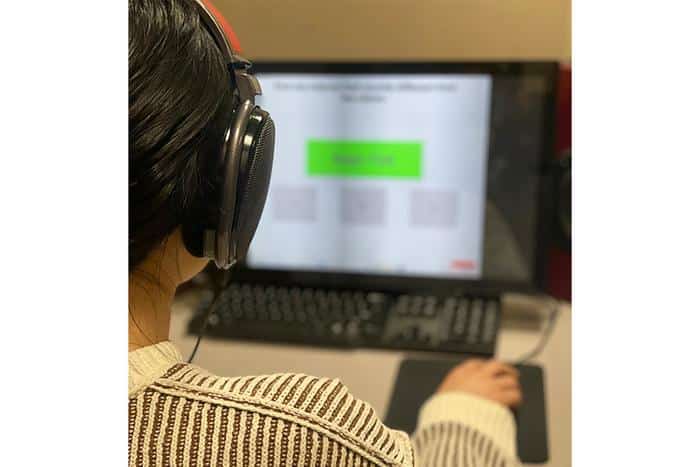
New research suggests hormonal fluctuations across a person's lifespan produce measurably different auditory outcomes in men and women — with implications for how clinicians approach diagnosis and management of hearing loss.






A multicenter study found a one-time treatment targeting the OTOF gene restored hearing in most participants, with effects lasting up to 2.5 years.
Read More
University of Oklahoma research indicates that the brain relies on real-time hearing to guide complex speech motor skills, with implications for speech therapy.
Read More
Researchers report a correlation between the visual environment of a venue and the perceived timbre of music.
Read More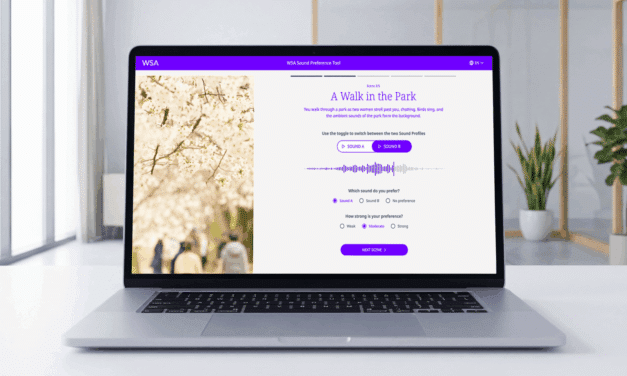
The WSA Sound Preference program aims to reframe hearing aid counseling to include identifying individual sound preferences and thereby enable more personalized fittings, improved patient engagement, and better hearing aid satisfaction, and increase adoption.
Read More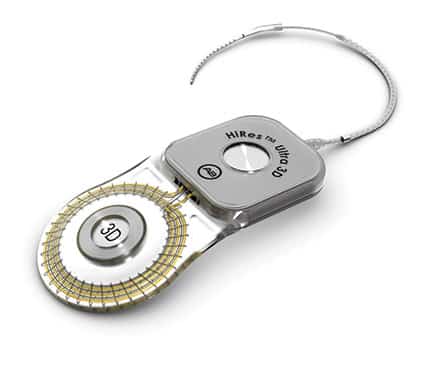
The partnership aims to explore the integration of novel drug-delivery methods with future cochlear implant technology.
Read More
The 8th International Conference on Hyperacusis and Misophonia will be held as part of the EUHA Congress in October 2026, with a call for abstracts now open.
Read More
The audiology and public health researcher will fill the newly created role of vice president of audiology innovation and research.
Read More
The company highlights progress in its SENS-501 and GJB2-GT clinical programs, recent financing, and a leadership transition.
Read More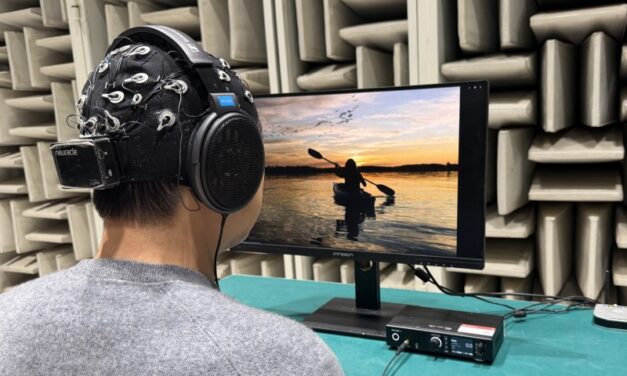
New research published in JASA suggests that in noisy settings, visual engagement improves auditory sensitivity.
Read More
New research highlights workplace challenges and suggests internet-based cognitive behavioral therapy may improve productivity for those affected by tinnitus.
Read More
In this study, various audio and visual communication modalities were examined to identify which communication perspective could best benefit patients following a hearing aid fitting.
Read More
New research finds hearing aids are rarely seen in mainstream media, prompting GN to expand its free library of authentic images for World Hearing Day.
Read More
On World Hearing Day, Nuance Audio points to scientific evidence on the measurable effects of listening effort, delayed care, and dual sensory challenges.
Read More
Research in children treated for the brain tumor ependymoma finds severe hearing loss is associated with worse intellectual ability and highlights the need for hearing interventions.
Read More
New research shows while overall traffic to low-credibility health sites is low, it is highly concentrated among seniors, particularly those who lean right politically.
Read More