Roundtable: Properly Using Audio Devices and Hearing Protection to Mitigate Hearing Loss
This roundtable addresses how hearing care professionals can guide patients in properly using audio devices and hearing protection to safeguard their hearing.


This roundtable addresses how hearing care professionals can guide patients in properly using audio devices and hearing protection to safeguard their hearing.

While frequency lowering to accommodate cochlear dead zones is relatively common, frequency raising is not—so far.



When I first started in this field there were two types of earmold materials that were in common usage: Lucite and Polyvinyl chloride, or PVC; Lucite being “hard” and PVC being “soft.” Since the mid-1990s, PVC earmolds such as Formaseal and Protint have given way to various forms of silicon-based materials.





In preparation for a book that will be (hopefully) published in the spring of 2022 called “Music and Hearing Aids” (Plural Publishing, working title), I conducted a literature review of previous research regarding the programming of hearing aids for music.
Read More
With the advent of smartphone apps, free or inexpensive sound level meters are now within the reach of virtually anyone. Marshall Chasin, AuD, asks “Are sound level meters a thing of the past?”
Read More
First proposed by Wallace Sabine, critical distance is the physical distance where the sound arriving directly from the source would equal the reverberant or reflected sound level in the room. This critical distance is proportional to the physical size of the room and inversely proportional to the reverberation time which can vary depending on the acoustic qualities of the room. This article looks at the concept of critical distance for choir members and musicians, and debuts a new amplification device, HearHooks, as a possible strategy for addressing spacing concerns.
Read More
In the fields of audiology, sound recording, and engineering audio design, a commonly held adage or golden rule is that the frequency response should be as flat or as “smooth” as possible.
Read More
The music business can be a feast-or-famine endeavor, with gigs waning for a variety of reasons, including the effects of the global pandemic. But regardless of their economic situation, musicians need hearing care (enhancement or protection) in good times and bad.
Read More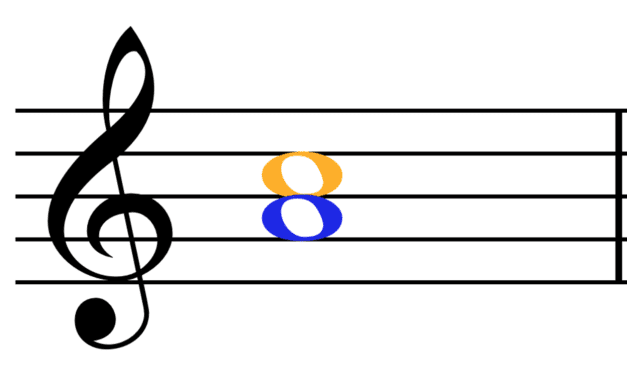
Are there specific frequency transpositions that would be acceptable? As it turns out, more may not necessarily be such a bad thing.
Read More
For speech, frequency transposition works very well, but music is not speech. Music is made up exclusively of notes and their harmonics.
Read More
Spreading the word about tinnitus care throughout the community can help hearing care professionals stand out from the crowd while developing a busy niche. This article looks using tinnitus remediation and financing options to help build your practice.
Read More
How to provide your patients the opportunity to purchase important accessory items like remote mics, looping systems, and alarm/alerting devices—systems that can make a big difference in their outcomes.
Read More
The University at Buffalo will hold its 2020 Northeast Audiology Conference (NEAC) via Zoom on November 14 between 9 am – 5 pm.
Read More
LRADs are loudspeaker systems on steroids and are easily capable of generating outputs on the order of 120 dBA at 10 meters. Although we don’t have very good models for noise exposure over 115 dBA, we do know that levels of 120 dBA (with peaks being up to 15 dB higher) can create acoustic trauma.
Read More
Eberts, a hearing health advocate and founder of the Living With Hearing Loss blog, will become the new section editor for FindHearing.
Read More
MusiciansClinics.com is a resource for those seeking information on a variety of topics related to hearing and hearing loss in musicians. Developed by audiologist-musician Marshall Chasin, AuD, the website offers a large range of resources for guitarists, bass players, violinists, woodwind players, school band teachers, and more.
Read More
Audiologists should at least offer assessment of tinnitus patients and provide basic intervention for tinnitus through hearing aids and other devices, the provision of accurate tinnitus-care information, and/or referrals to other providers for tinnitus-related services. Here’s an easy-to-understand protocol for patients with tinnitus from Dr James Henry and colleagues.
Read More
The organization has announced the addition of Nick Fitzgerald as Partner and Chief Marketing Officer.
Read More