Med-El Survey: Fewer Than 3 in 10 Americans Believe Society Knows Enough About Hearing Loss
A new Med-El survey of more than 1,000 US adults finds that nearly half believe public awareness of hearing loss is lacking.


A new Med-El survey of more than 1,000 US adults finds that nearly half believe public awareness of hearing loss is lacking.
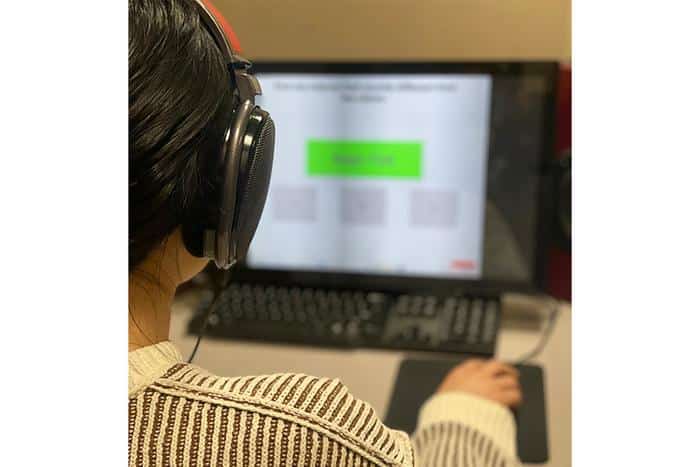
New research suggests hormonal fluctuations across a person's lifespan produce measurably different auditory outcomes in men and women — with implications for how clinicians approach diagnosis and management of hearing loss.


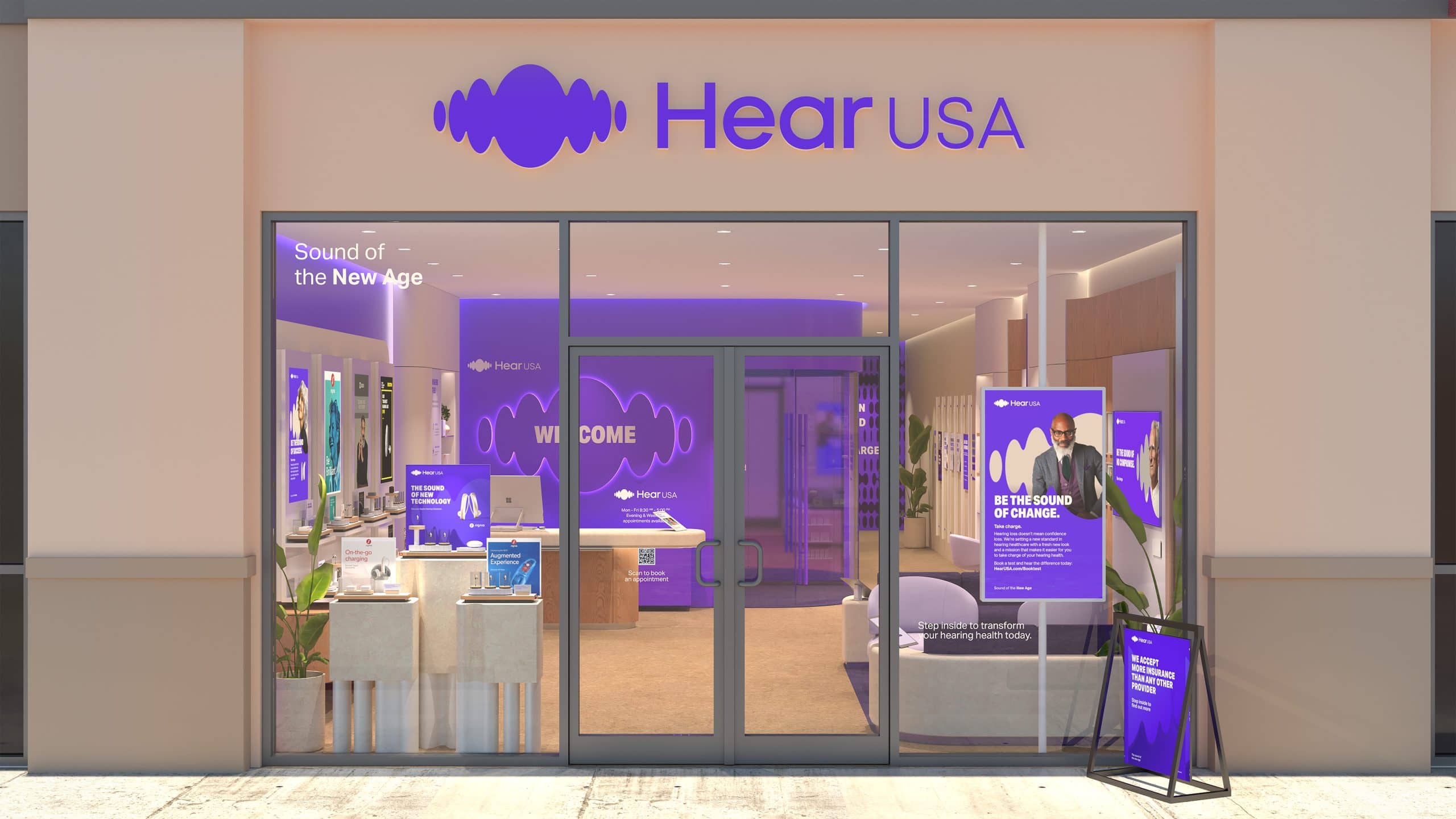


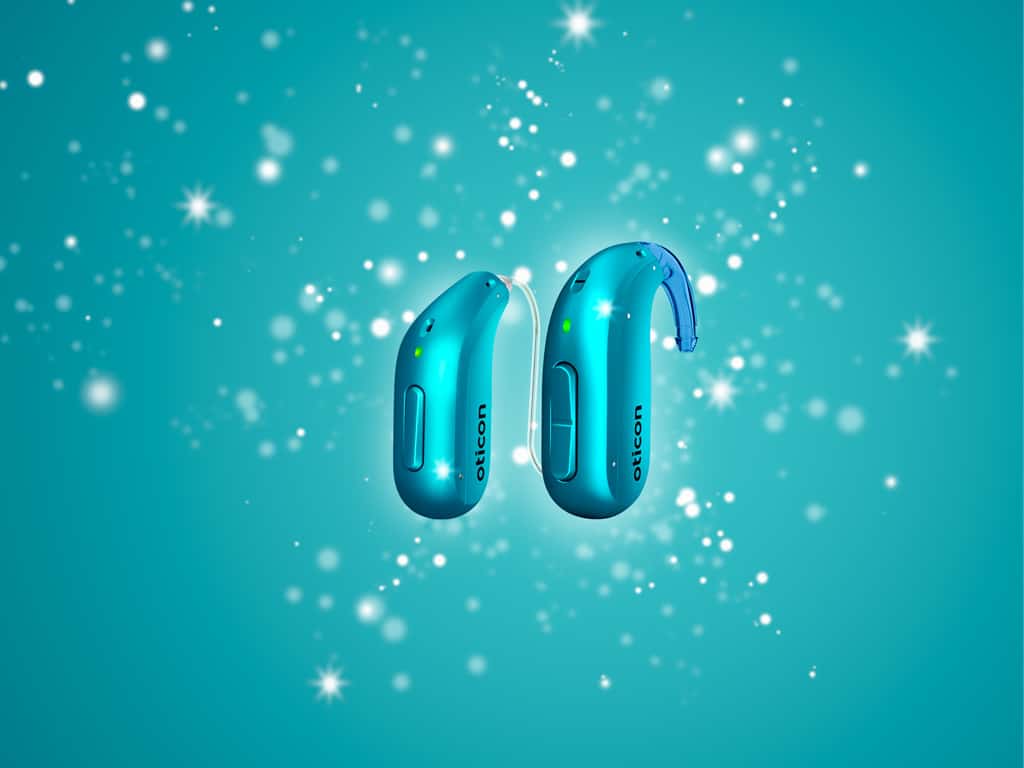
The new pediatric line features second-generation AI sound processing, 4D user-intent sensors, and next-generation connectivity.




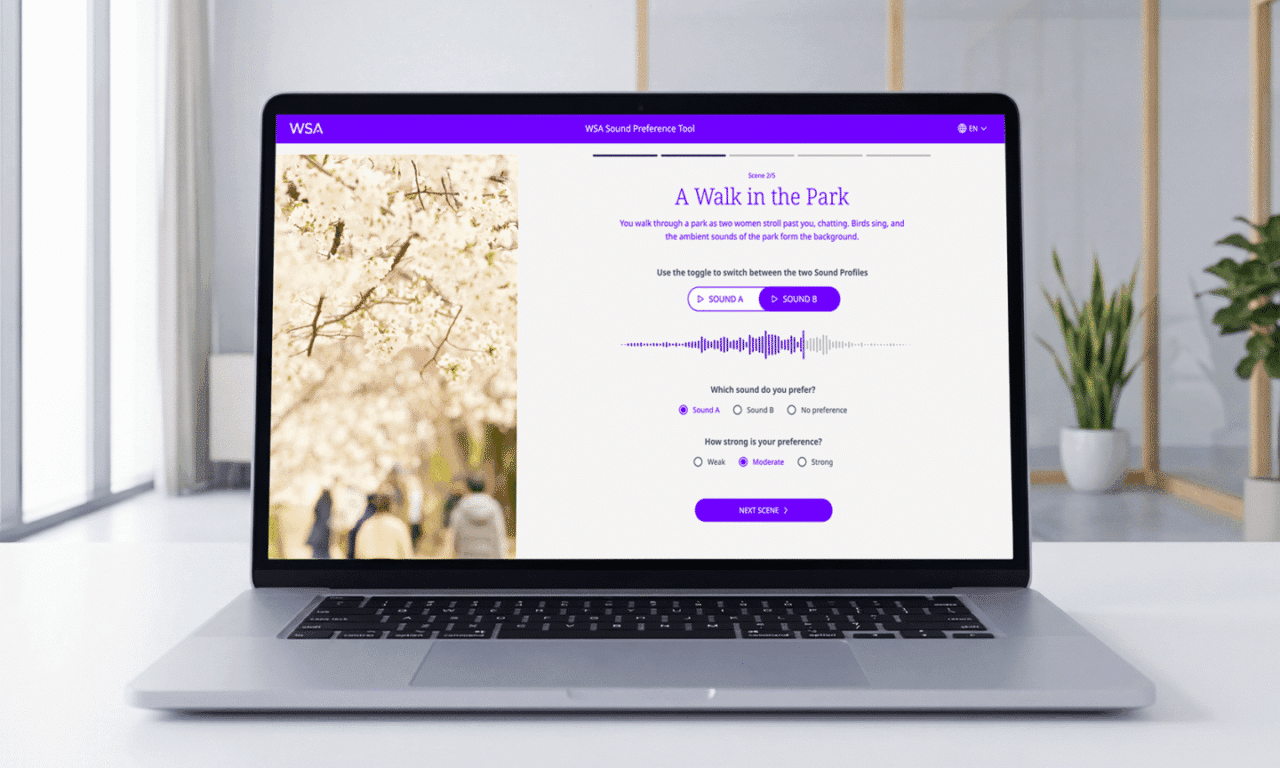
The WSA Sound Preference program aims to reframe hearing aid counseling to include identifying individual sound preferences and thereby enable more personalized fittings, improved patient engagement, and better hearing aid satisfaction, and increase adoption.

Frank Lin, MD, PhD, discusses the Know Your Hearing Number campaign and why this concept can help break down barriers to hearing care.
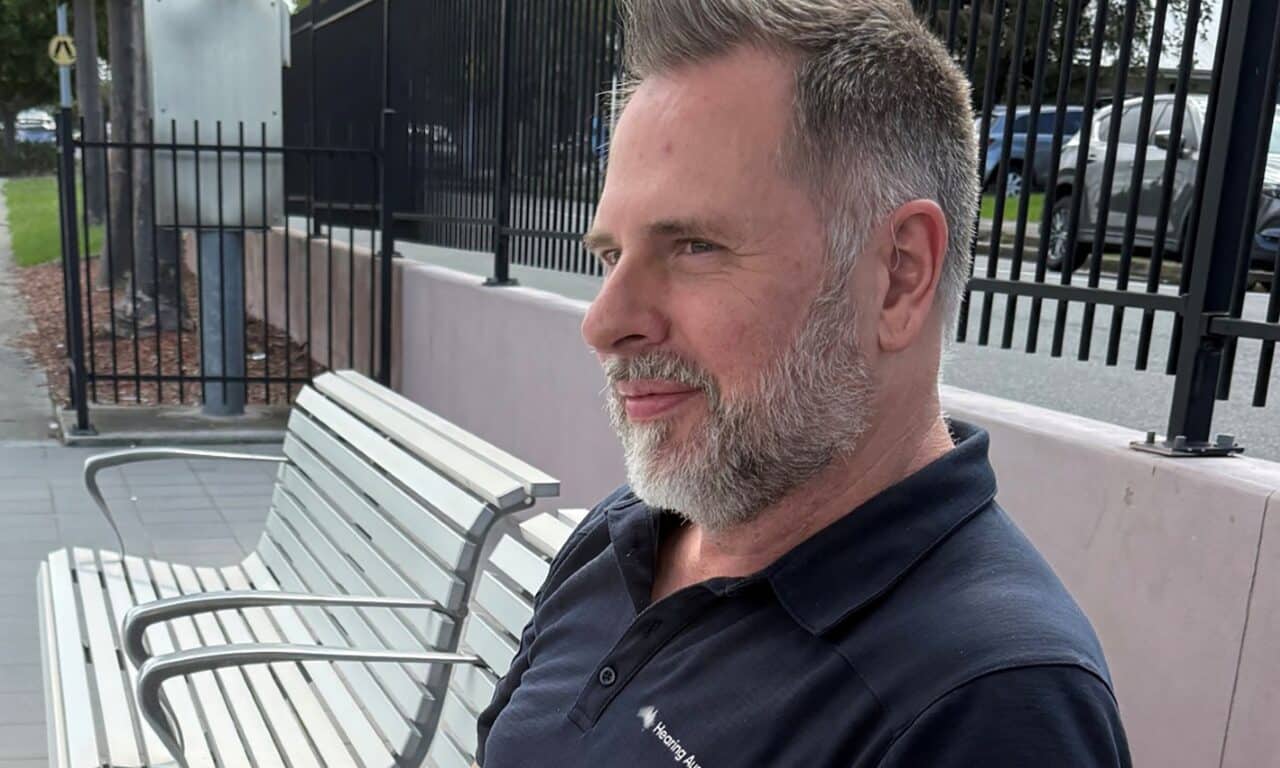
Developed by the National Acoustic Laboratories, the system builds on NAL-NL2 and is designed for more precise, personalized hearing aid fittings.
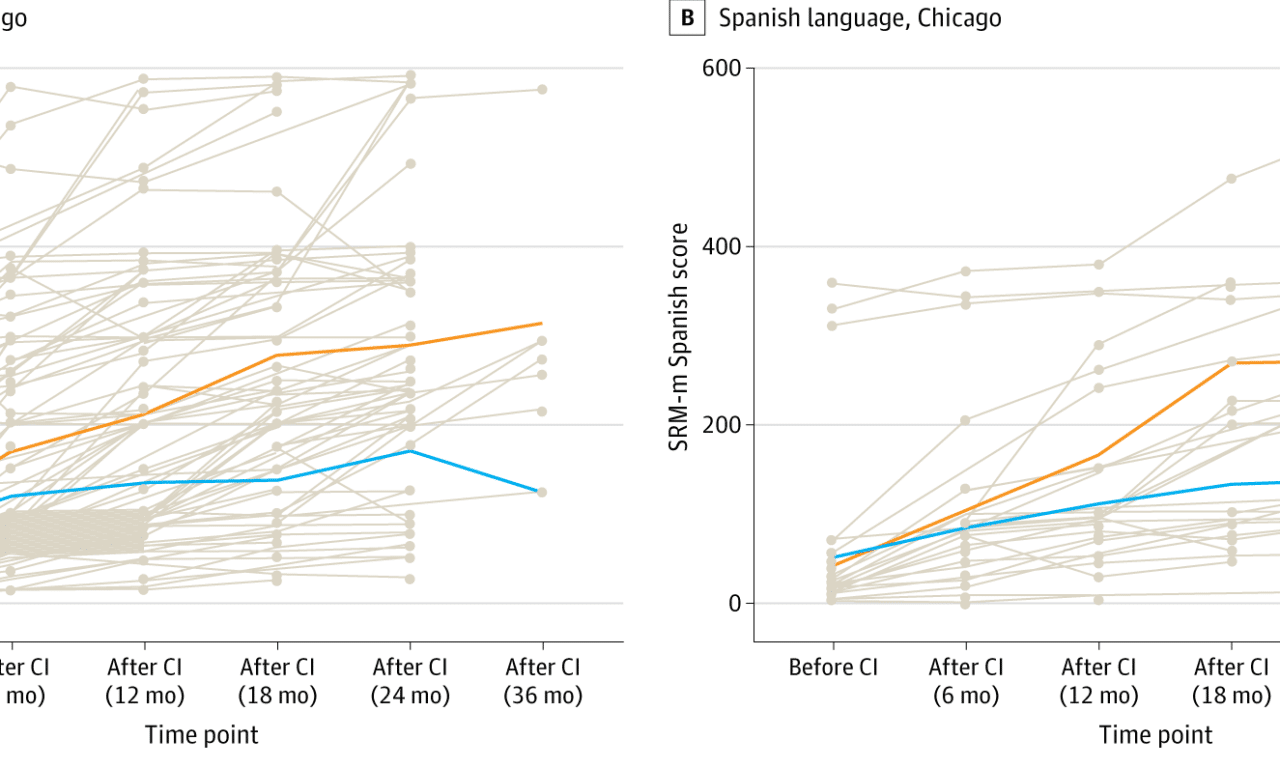
A deep transfer learning AI model predicted spoken language outcomes in children one to three years after cochlear implantation with 92% accuracy.