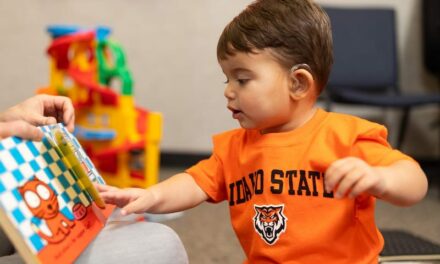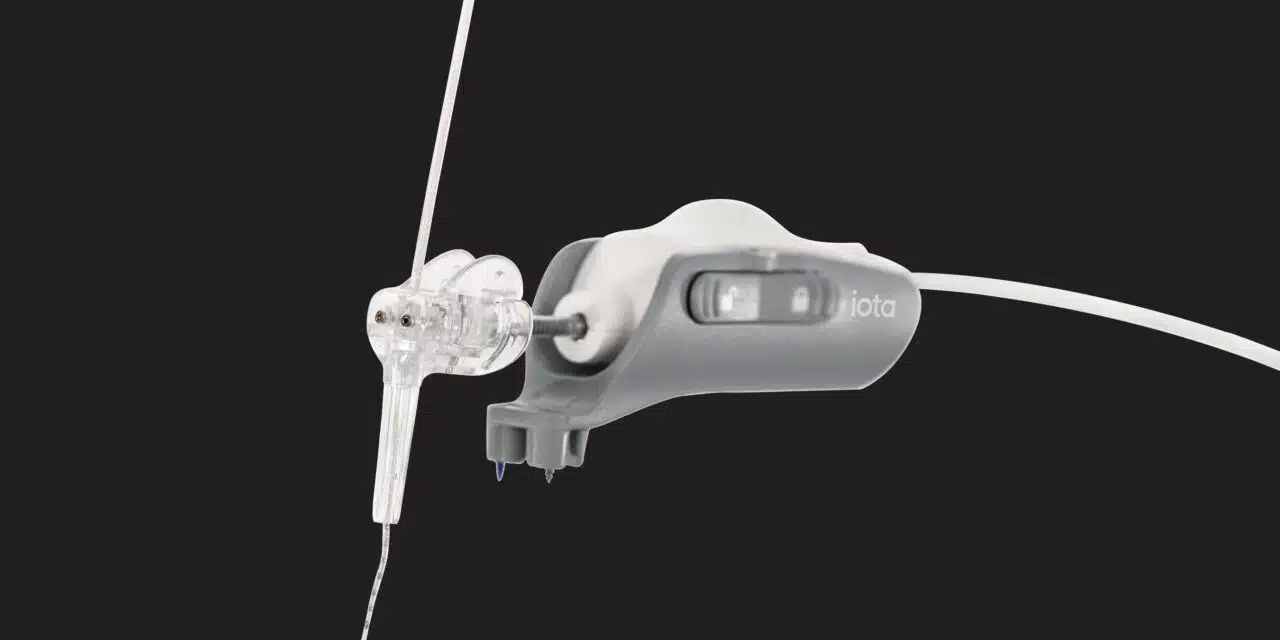
The IotaSoft robotic-assisted cochlear implant insertion system is now cleared for use in children aged four and older, expanding access for school-aged patients.
IotaMotion Inc announced it has received US Food and Drug Administration (FDA) 510(k) clearance for the expanded pediatric use of its iotaSoft Insertion System. The robotic-assisted cochlear implant insertion system is now cleared for use in patients four years of age and older.
The IotaSoft Insertion System is designed to enable precise and controlled electrode array insertion during cochlear implant surgery. By standardizing this step of the procedure, the system aims to help preserve delicate intracochlear structures.
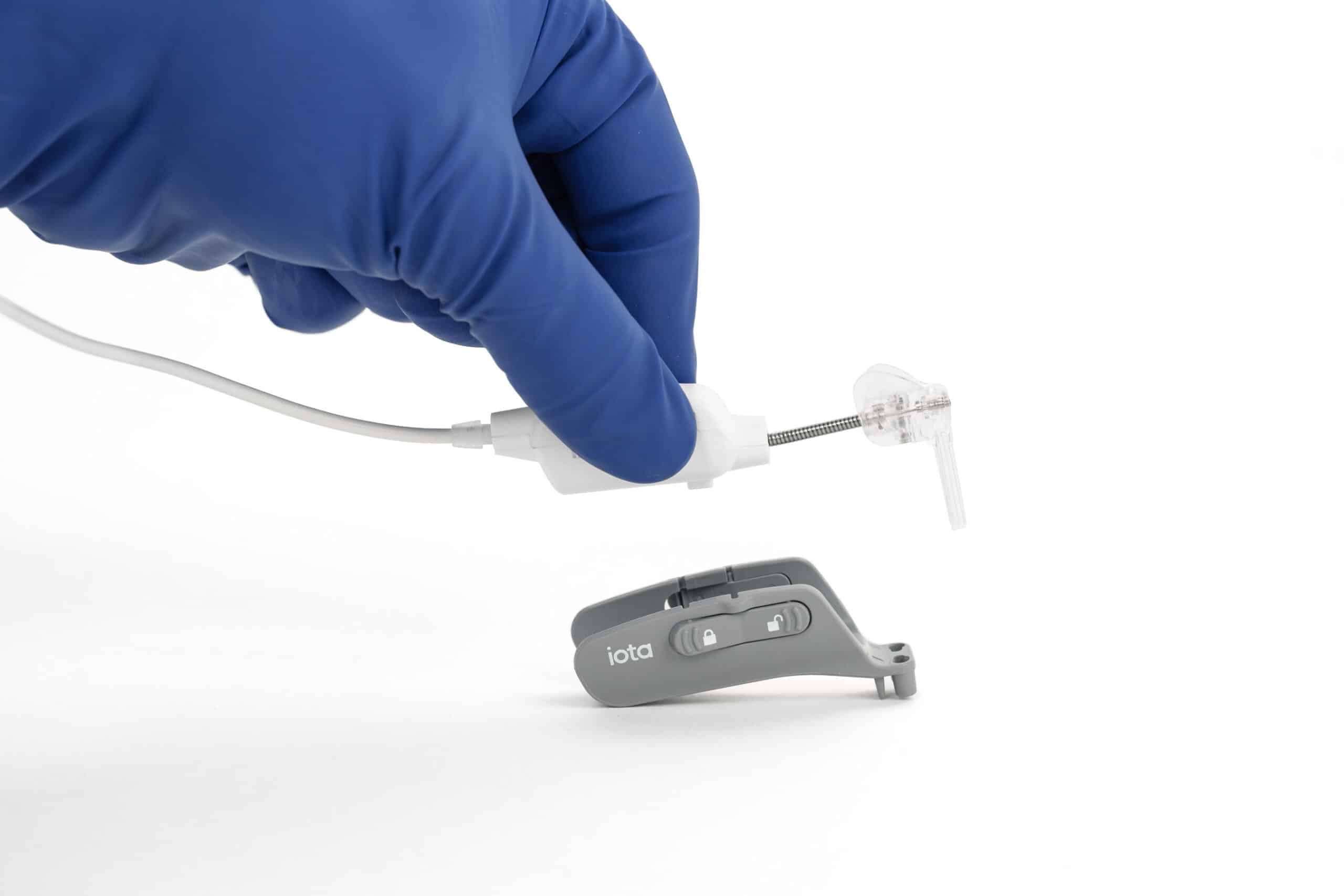
“Receiving FDA clearance for expanded pediatric use marks a significant milestone for IotaMotion and for families navigating cochlear implant decisions,” says Mike Lobinsky, CEO of IotaMotion, in a release. “By standardizing one of the most delicate steps in cochlear implant surgery, IotaSoft helps reduce variability which could provide parents greater confidence as they consider cochlear implantation for their children.”
In conjunction with the clearance, Cincinnati Children’s Hospital has become a dedicated pediatric center to adopt the IotaSoft Insertion System. The medical center joins over 35 cochlear implant centers across the United States that have adopted the technology.
“At Cincinnati Children’s, our focus is delivering the highest standard of care while thoughtfully integrating innovations that benefit our patients,” says Dr Daniel Choo, chief clinical growth officer and professor of otolaryngology–head and neck surgery, in a release. “Robotic-assisted cochlear implantation represents a meaningful advancement in our cochlear implant program.”
A 2025 clinical cohort study published in The Laryngoscope found that 85% of patients in a robotic-assisted insertion group maintained hearing preservation at one year, compared with 71% in a manual insertion group, according to its authors.
“Robotic assistance in cochlear implantation is about precision and consistency,” says Dr Marlan Hansen, co-founder and chief medical officer of IotaMotion, in a release. “With the expanded pediatric indication for IotaSoft, supported by growing clinical evidence, families can have greater confidence that controlled, standardized insertion is designed to protect the cochlea and preserve its structure and function. This is especially important for children who may benefit from emerging therapeutic advances, including gene-based and regenerative hearing technologies, which will likely depend on atraumatic, cochlear implant array placement early in life.”