FDA Clears IotaMotion’s Robotic CI Insertion System for Expanded Pediatric Use
The IotaSoft robotic-assisted cochlear implant insertion system is now cleared for use in children aged four and older.

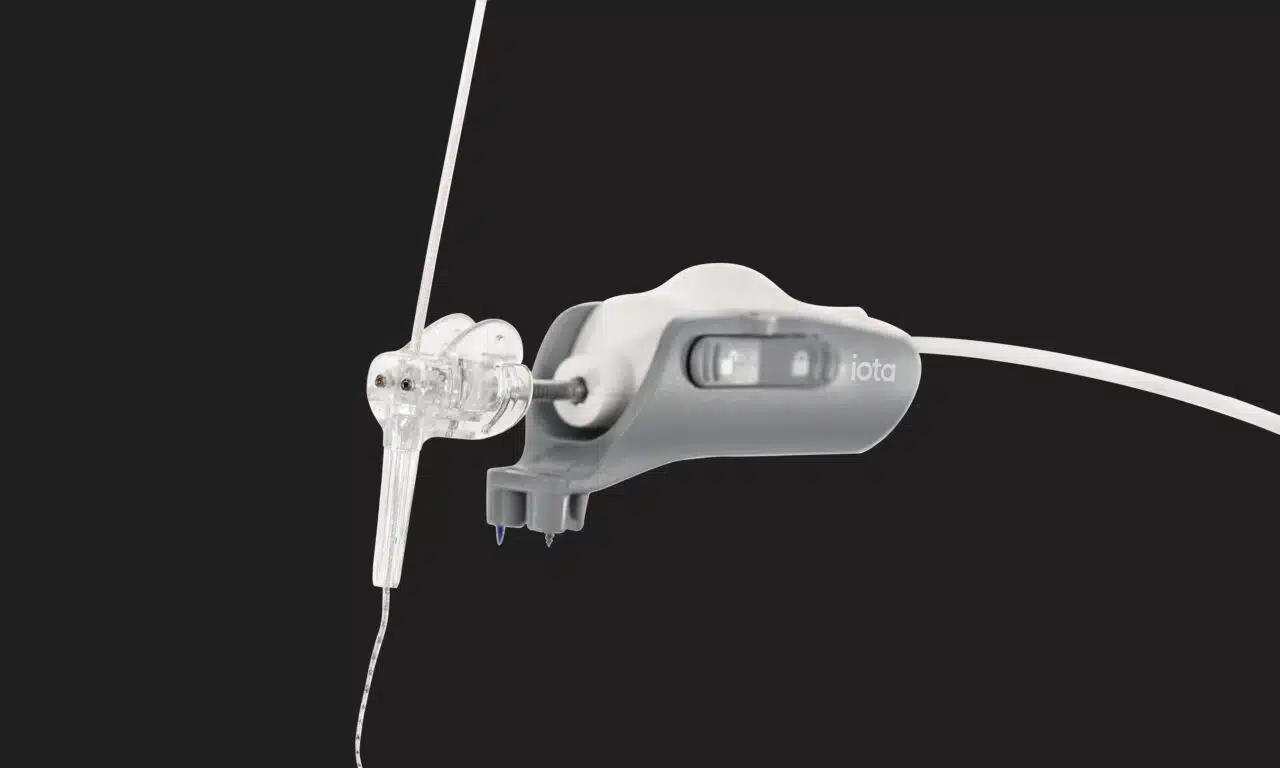
The IotaSoft robotic-assisted cochlear implant insertion system is now cleared for use in children aged four and older.

The benefits of the American Academy of Pediatrics new guidelines on pediatric hearing assessment outweigh any perceived negatives.



The American Cochlear Implant Alliance (ACI Alliance) will award two lifetime achievement awards at its upcoming virtual conference CI2021: Cochlear Implants in Children and Adults. The award winners are Ann Gears, PhD, and Richard T. Miyamoto, MD.



The latest cochlear implant from MED-EL incorporates a “revolutionary design change” that allows the special internal magnet to rotate with the magnetic force from the MRI, making surgical removal of the magnet or a head wrap unnecessary.
Read More
The research and support in practice by trained hearing health professionals provided the foundation to approve the indication be lowered to 9 months, along with the considerable developments in technology and evolving speech coding strategies in modern day cochlear implant devices.
Read More
This approval “helps ensure children born deaf have earlier access to a cochlear implant which can provide them with the hearing capabilities to develop speech and language at a trajectory similar to their hearing peers.”
Read More
This study found that using datalogging as a tool for counseling parents about their child’s use of and experience with the cochlear implant helps increase wear time, proactively identify technical issues for troubleshooting, and gain new insights into the child’s listening environment and needs. This type of counseling not only provides an objective basis to encourage consistent device use, but also serves as a tool to motivate, reward, or validate parental support of their children’s listening needs.
Read More
Dennis Van Vliet recently attended the American Cochlear Implant Alliance (ACIA) conference and was reminded that “stepping out of the silo of work that I do every day into another, but related, realm is important to broaden my understanding of the larger discipline.”
Read More
The conference was organized by the American Cochlear Implant (ACI) Alliance and supported by the UHealth Ear Institute and other academic and private sector organizations.
Read More
Children currently receive the same type of cochlear implant programming as adults even though a child’s ability to process speech information and discriminate pitch is much less developed.
Read More
With a better understanding of cortical brain changes associated with hearing loss, the potential to develop objective brain-based tools (ie, biomarkers) increases. These tools may help clinicians determine when a patient should receive intervention, what kind of intervention or rehabilitation would be ideal, and may offer the ability to monitor how well a chosen intervention or rehabilitation method is working. Prominent researchers Anu Sharma and Hannah Glick explain why.
Read More
CI 2018 will take place March 7-10, 2018 at the Omni Shoreham Hotel, 2500 Calvert Street, NW, Washington, DC.
Read More
In a new, multisite study of deaf children with cochlear implants, University of Texas at Dallas researchers have found that children with either no exposure or limited exposure to sign language end up with better auditory, speaking, and reading skills later.
Read More
The American Cochlear Implant (ACI) Alliance released a set of resources about cochlear implants in honor of Better Hearing and Speech Month.
Read More
The Senate Health, Education, Labor, and Pensions (HELP) Committee passed a bill to reauthorize federal newborn hearing screening programs for the next five years, the American Cochlear Implant Alliance (ACI Alliance) announced. The ACI Alliance is a nonprofit organization that advocates for improved access for cochlear implants.
Read More
A new study at The Ohio State University Wexner Medical Center seeks to better understand how children with cochlear implants learn words, and researchers are using a high-tech approach to get answers, according to a February 27, 2017 post on Ohio State’s blog.
Read More
Call for papers for the 15th Symposium on Cochlear Implants in Children (CI2017), which will be held July 26-29, 2017 in San Francisco, Calif. The CI2017 Symposium is considered the premier cochlear implant meeting in 2017.
Read More