Building Patient Connections
Building strong patient connections in hearing care through a holistic approach and personalized recommendations enhances trust and leads to better outcomes.

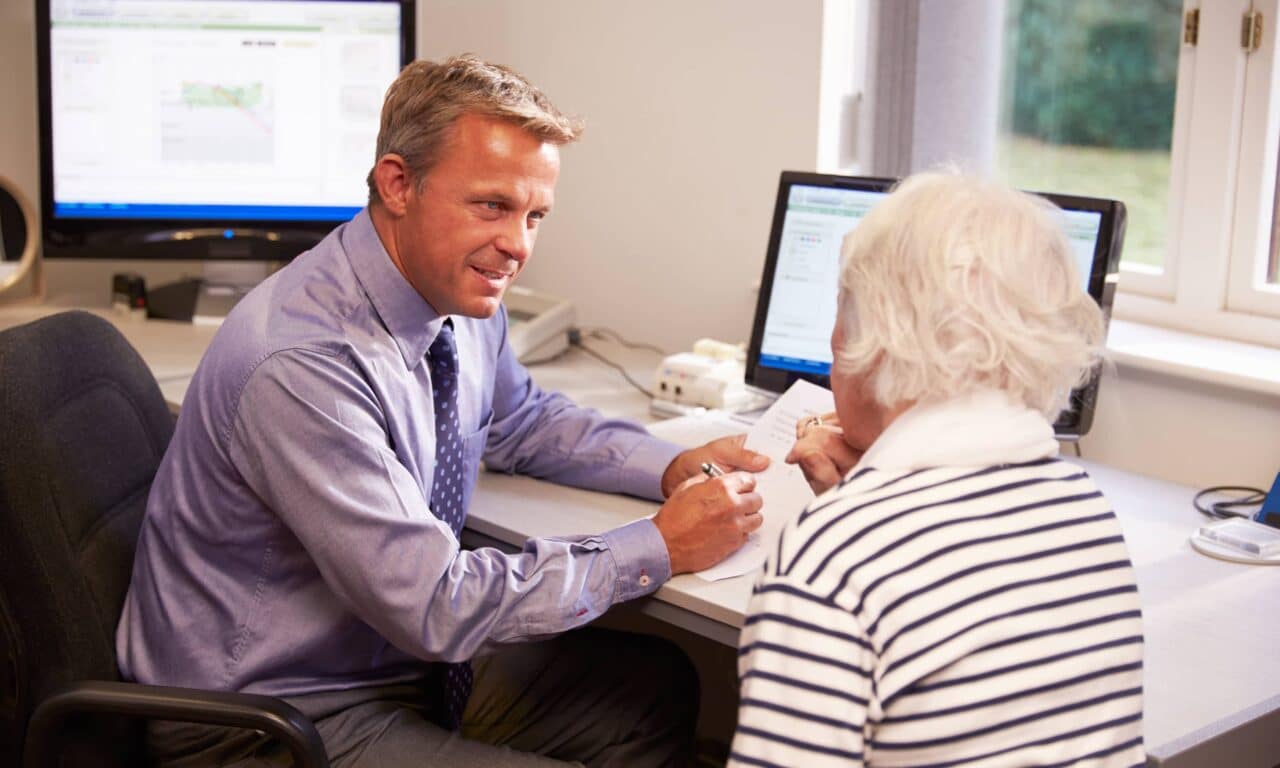
Building strong patient connections in hearing care through a holistic approach and personalized recommendations enhances trust and leads to better outcomes.

The goal is to attract at least 10,000 participants to explore how hearing training affects skills like speech comprehension and sound localization.


With the current and future changes in hearing healthcare, we have a newfound opportunity and increased flexibility for individualized care. Whether we are considering the level of service or the application of advanced hearing aid processing, one size does not fit all. Here is a brief summary of the research about how hearing care professionals can make meaningful differences in the individual care of consumers who are using amplification products—regardless of whether these are OTC or traditionally dispensed hearing devices.





From our experience as clinicians who serve the age-80+ population and the emerging scientific evidence about this patient group, it is older patients who are most likely to benefit from aural rehabilitation (AR) programs, and therefore, more eager to attend AR classes. Future studies on AR and auditory training should focus upon this important population.
Read More
Even though the benefits of hearing aids are widely known in our field, the fact is that there is not a plethora of high-level scientific evidence proving the efficacy of hearing aids.
Read More
Since the beginning of my audiology career I have heard many of my hard-of-hearing patients comment that at around 3 PM they hit the wall and need a nap.
Read More
LACE Online allows users to access aural rehabilitation training on any computer, laptop, or mobile device with no required download or installation. Users can log in and access training on any device and experience completely synchronized training progress, according to Neurotone, Inc.
Read More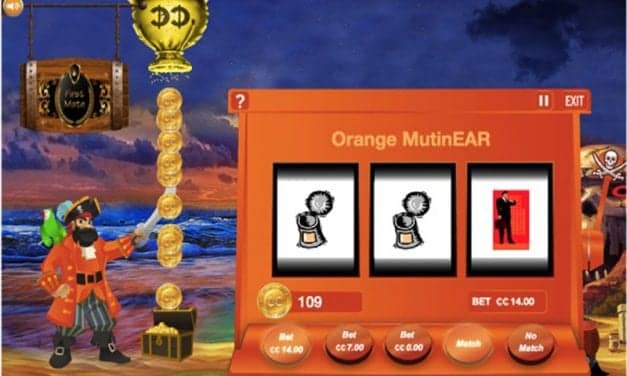
Nancy Tye-Murray, PhD, explains how gaming technology—and game-based learning—may play an important role in our future. Dr Tye-Murray describes the clEAR (customized learning: Exercises for Aural Rehabilitation) program and how it works.
Read More
Maurice H. Miller argues that an audiologist’s dedication to long-term involvement with the hearing-impaired patient in a rehabilitative structure is essential. Without it, our future is uncertain. With it, there is enormous hope for our profession.
Read More
Continents & Oceans features three levels in which players listen to male and female voices as they name the continents and oceans of the world and tap the screen to verify what was said. Players are scored on how fast they respond, and a global leaderboard is shown. Different accents increase the difficulty level, and players compete with others from around the world for the best score in each level.
Read More
An audiologist’s perspective on wearing hearing instruments, dispensing hearing aids, and 50 years
Read More