Cochlear Receives FDA Clearance for Osia 3 Sound Processor
Cochlear's newest active bone conduction sound processor features a fully rechargeable battery, expanded fitting range, a new signal processing chip, and multi-platform wireless streaming.

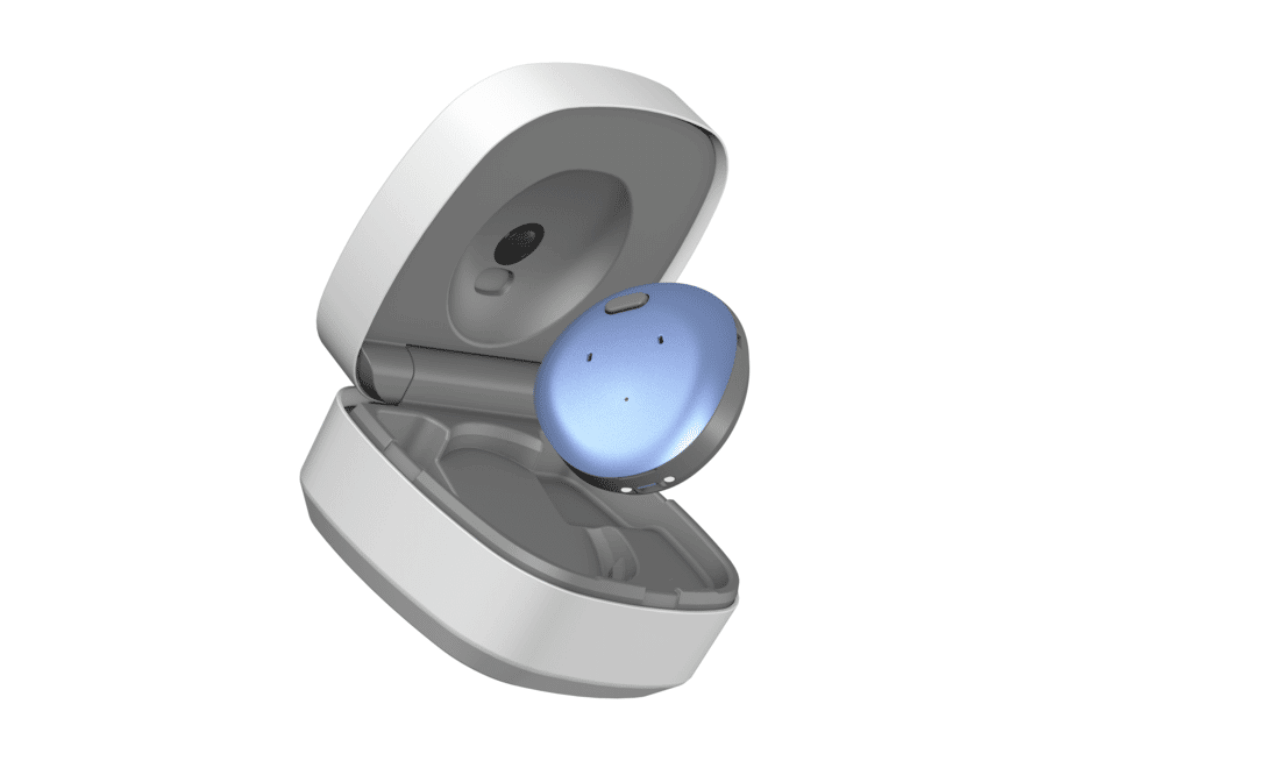
Cochlear's newest active bone conduction sound processor features a fully rechargeable battery, expanded fitting range, a new signal processing chip, and multi-platform wireless streaming.

While uncertainties still exist, the company announced that it believes it has now identified the root cause of the issue, which is related to the manufacturing process and not the design of the implants. The company is currently working on implementing and verifying a solution to the issue to ensure high and consistent process quality, according to its latest announcement.



MED-EL is reportedly “the only manufacturer to accept liability for damage to all cochlear implants that have been produced since 1994, all bone conduction implants, and the current generation of middle-ear implants during an MRI examination.”





Precision surgical implantation of electrodes for the electric-acoustic stimulation of the inner ear can stabilize the long-term residual hearing of severely hearing-impaired people and significantly improve their speech recognition.
Read More
The latest cochlear implant from MED-EL incorporates a “revolutionary design change” that allows the special internal magnet to rotate with the magnetic force from the MRI, making surgical removal of the magnet or a head wrap unnecessary.
Read More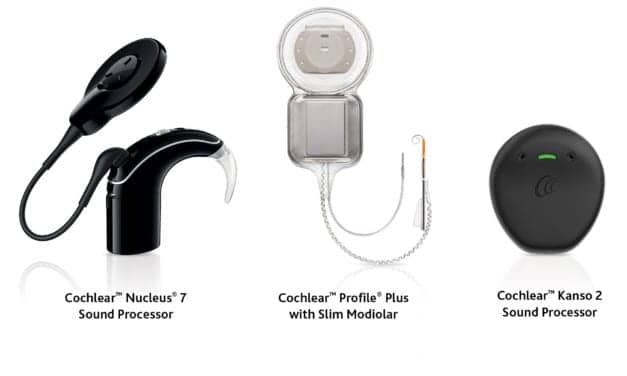
The approval of the Cochlear Nucleus Kanso 2 Sound Processor, Nucleus 7 Sound Processor for Nucleus 22 Implant recipients, and Custom Sound Pro fitting software reflects Cochlear’s “ongoing commitment to innovation in hearing technology, providing access to smartphone connectivity and helping to improve hearing performance, and enhancing the cochlear implant fitting experience for hearing health professionals.”
Read More
If approved by the FDA, the Acclaim would be the “first-of-its-kind cochlear implant without any external components to offer unique benefits to users and hopefully increase cochlear implant adoption and user compliance across the globe.”
Read More
MED-EL USA announced the launch of the BCI 602, the second-generation implant for the BONEBRIDGE...
Read More
CROS and BiCROS hearing aids are not the only treatment options for those with unilateral hearing loss. This article reviews other options and potential future avenues for unilateral sensorineural hearing loss and single-sided deafness, as well as for unilateral conductive hearing loss.
Read More
Improved modeling for speech and music transduction could boost the performance of cochlear implants.
Read More
Ponto 4 is reportedly “the smallest bone anchored device on the market,” according to Oticon, who says it’s 27% smaller than Ponto 3.
Read More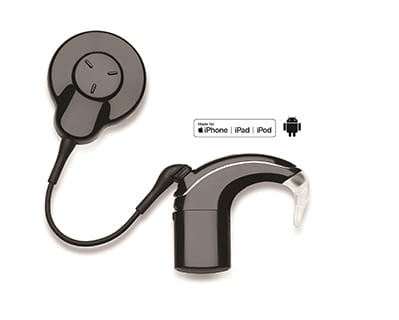
The Nucleus Profile Plus Series Cochlear Implant will be commercially available later this month. The Nucleus Profile Plus Series Cochlear Implant is still awaiting approval by Health Canada.
Read More
According to AB, the Ultra 3D multi-magnet assembly is capable of aligning with the magnetic field of the MRI scanner irrespective of patient orientation or movement.
Read More
The book describes major advances in our understanding of the pathogenic processes underlying various forms of hearing loss and the emergence of treatments for deafness.
Read More
Ponto 4 will officially launch in the US in early summer 2019.
Read More
Hear the World Foundation has partnered with the Global Foundation for Children with Hearing Loss to provide 10 children with CIs, support, and service.
Read More
The app is said to guide patients to experience different listening situations, from quiet home settings to more demanding environments, like restaurants, and rate their hearing experience.
Read More
Researchers from Ann & Robert H. Lurie Children’s Hospital of Chicago present further evidence that deaf children who received cochlear implants (implanted electronic hearing device) before 12 months of age learn to more rapidly understand spoken language and are more likely to develop spoken language as their exclusive form of communication.
Read More