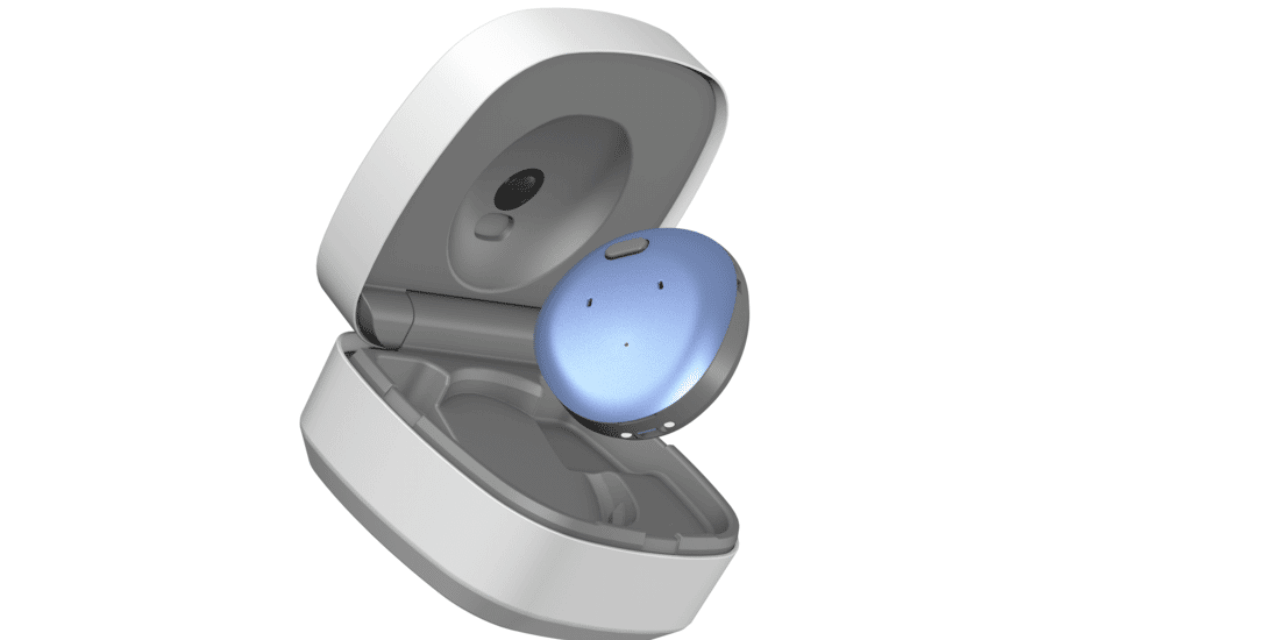
Cochlear’s newest active bone conduction sound processor features a fully rechargeable battery, expanded fitting range, a new signal processing chip, and multi-platform wireless streaming — with US availability expected in early fall 2026.
Cochlear Limited has received FDA clearance for the Cochlear Osia 3 Sound Processor, the latest generation of the company’s active bone conduction platform designed for patients with conductive hearing loss, mixed hearing loss, and single-sided deafness (SSD).
The Osia 3 represents a significant step forward from previous iterations of the Osia System, which, according to Cochlear, has become the world’s most chosen bone conduction system based on Cochlear global sales data and estimated market share for the previous financial year. Tens of thousands of patients worldwide have received the Osia System.
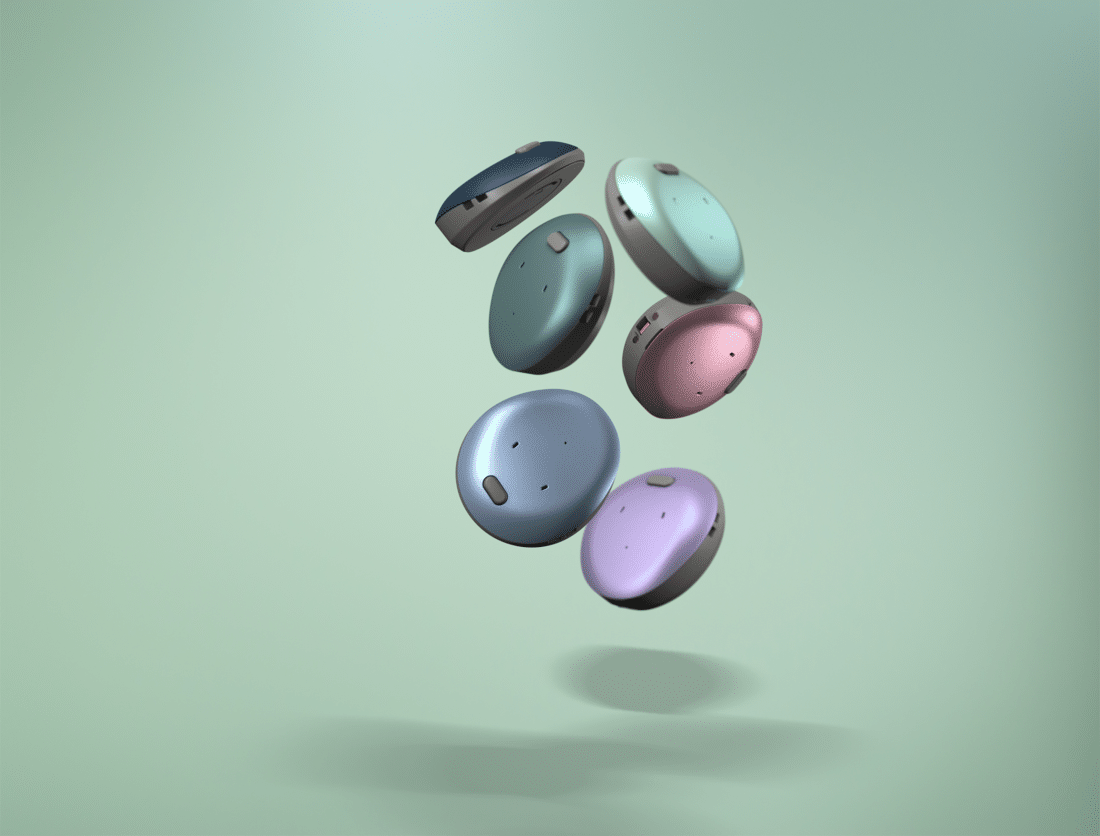
Rechargeable Power and an Expanded Fitting Range
The Osia 3 is reportedly the only fully rechargeable sound processor in its class, delivering up to 30 hours of hearing on a single charge. The processor ships with an on-the-go charging case that holds additional charges — an approach comparable to wireless earbuds — eliminating the need for disposable batteries entirely.
The new lithium-ion battery design also contributes to expanded audiological capability. The Osia 3 introduces a frequency-specific fitting range to accommodate bone conduction thresholds up to 65 dB HL in the mid to high frequencies, extending the reach of the most powerful active bone conduction system currently available, according to the company. In clinical studies, patients demonstrated improved speech understanding and preferred the sound quality of the Osia 3 over the previous generation.
New Signal Processing and Connectivity
The Osia 3 is powered by the new Zaphium signal processing chip, which offers a wider frequency bandwidth compared to its predecessor and includes ForwardFocus technology to help patients manage background noise. According to Cochlear, 97% of recipients in clinical research reported being satisfied or very satisfied with the processor’s overall sound quality, describing the sound as natural, comfortable, and “lifelike.”
On the connectivity front, the Osia 3 is the only active bone conduction device to enable direct streaming from Apple, Android, and Bluetooth LE Audio-enabled devices. Support for Auracast broadcast audio is also included, allowing patients to access shared audio in public venues such as cinemas, concert halls, lecture halls, and airports, as adoption of the protocol continues to grow.
Clinical and Practice Workflow Enhancements
For hearing care professionals, the Osia 3 brings wireless fitting technology and enhanced data tracking tools designed to streamline appointments. The device is also compatible with Cochlear’s Remote Care platform, which enables secure video-based sound processor adjustments without requiring an in-person visit — a workflow consideration of increasing interest to audiology practices managing growing implant patient populations.
Backward compatibility is maintained across all existing Osia implant models, meaning current Osia System patients who are clinically eligible can upgrade to the Osia 3 Sound Processor regardless of which implant they received.
“We put recipients at the heart of everything we do, and this innovation represents our continued commitment to [transforming] their hearing experience,” says Lisa Aubert, president of Cochlear North America, in a release.
Patient Perspective
Dr Fred Wamboldt, an Osia 3 System recipient, described his experience shortly after activation. “Soon after surgery, I sat down in front of an old surround sound stereo I have and put on one of my favorite jazz albums. The horns were to my left, the saxophone to my right, the drums coming behind me, it was amazing. And that was just the start of the joy of what getting my hearing back with the Osia System has meant to me,” says Wamboldt in a release.
Availability and Background
The Osia 3 Sound Processor is expected to be available in the US in early fall 2026. Availability in other markets is subject to local regulatory approval.
Cochlear has provided hearing solutions to more than 750,000 people in over 180 countries since 1981 and reports a cumulative investment of more than AUD $3 billion in research and development. The company maintains a global workforce of more than 5,500 employees.