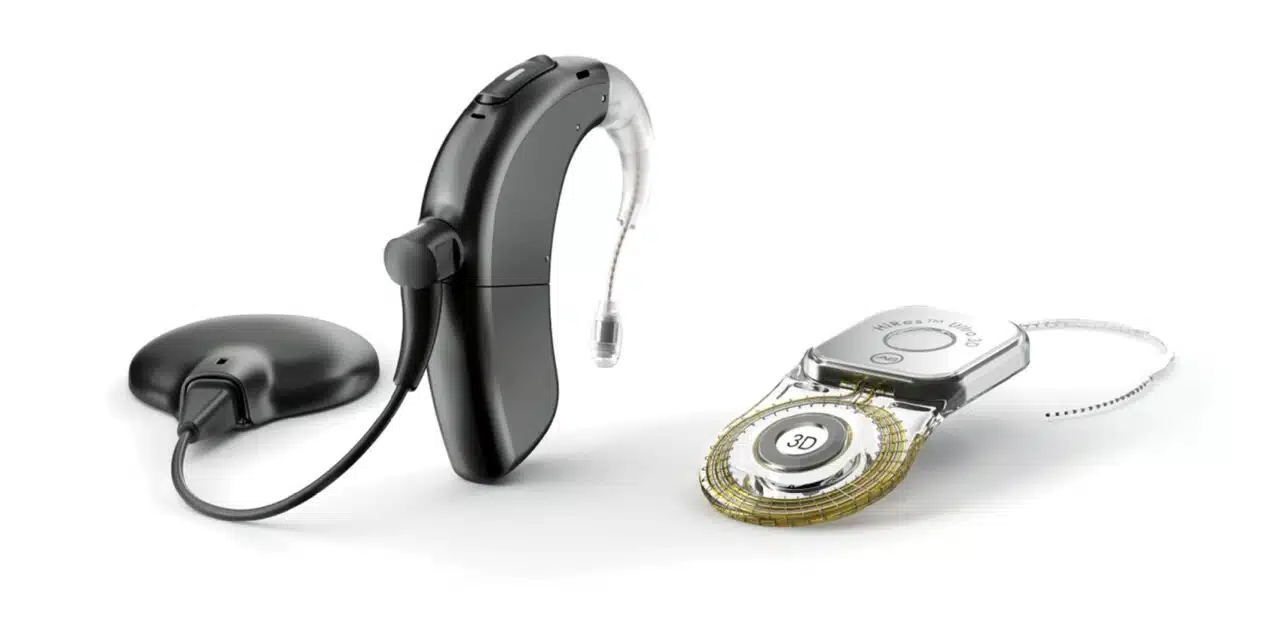
The newly approved indications broaden eligibility for adults and children with single-sided deafness or asymmetric hearing loss, and represent the widest candidacy range in the industry for AHL patients, according to the company.
Advanced Bionics, a Sonova brand, has received expanded US Food and Drug Administration indications for its cochlear implant systems—a development that could bring more adult and pediatric patients with single-sided deafness (SSD) or asymmetric hearing loss (AHL) within reach of cochlear implant candidacy.
The expanded criteria come against a backdrop of significant unmet need. An estimated 271,000 to 345,000 US adults are living with SSD, yet cochlear implant utilization among individuals meeting expanded candidacy criteria for SSD or AHL is estimated at only 2.1%, according to published research cited by the company.
“This expanded candidacy marks an important step forward for patients who may previously have fallen outside cochlear implant indications,” says Alistair Simpson, president of Advanced Bionics, in a release. “By broadening access for people with single-sided deafness and asymmetric hearing loss, we can help more clinicians recommend AB cochlear implants for appropriate candidates and help more patients achieve their best hearing.”
Expanded Candidacy Criteria
Under the newly approved FDA indications, the criteria are as follows:
Single-sided deafness: Adults (18 and older) with a pure-tone average (PTA) of 80 dB HL or greater in the poorer ear and less than 30 dB HL in the better ear qualify. For children ages 5–17, the threshold in the poorer ear is a PTA of 90 dB HL or greater, with less than 30 dB HL in the better ear.
Asymmetric hearing loss: Adults with a PTA of 80 dB HL or greater in the poorer ear qualify when the better-hearing ear has a PTA greater than 30 dB HL, provided there is at least a 15 dB difference between ears. Children require a PTA of 90 dB HL or greater in the poorer ear under the same interaural difference criterion. Advanced Bionics says this criteria represents the broadest AHL candidacy range in the industry.
Audiometric criteria: Adult candidates must have a CNC word recognition score of 20% or less. Pediatric candidates must score 5% or less on a developmentally appropriate monosyllabic word list.
Clinical and Practice Implications
For audiologists and cochlear implant clinicians, the updated indications may streamline candidacy evaluations. According to Advanced Bionics, the expanded criteria could reduce the number of patients who fall outside current indications and minimize the supplemental testing often required to demonstrate listening difficulties in borderline cases—an issue that has been a recurring topic in discussions around expanding CI access.
On the patient-facing side, the Advanced Bionics cochlear implant platform is designed for integration with Phonak technology, enabling a connected hearing experience intended to function in everyday listening environments.
The low utilization rate among eligible patients has been a persistent challenge highlighted across the field. Recent coverage in The Hearing Review has addressed the operational and clinical strategies practices can employ to improve CI program reach—context that underscores the potential significance of removing candidacy barriers through broader indications.
For more information about Advanced Bionics’ hearing devices, visit advancedbionics.com.
Featured image: Advanced Bionics