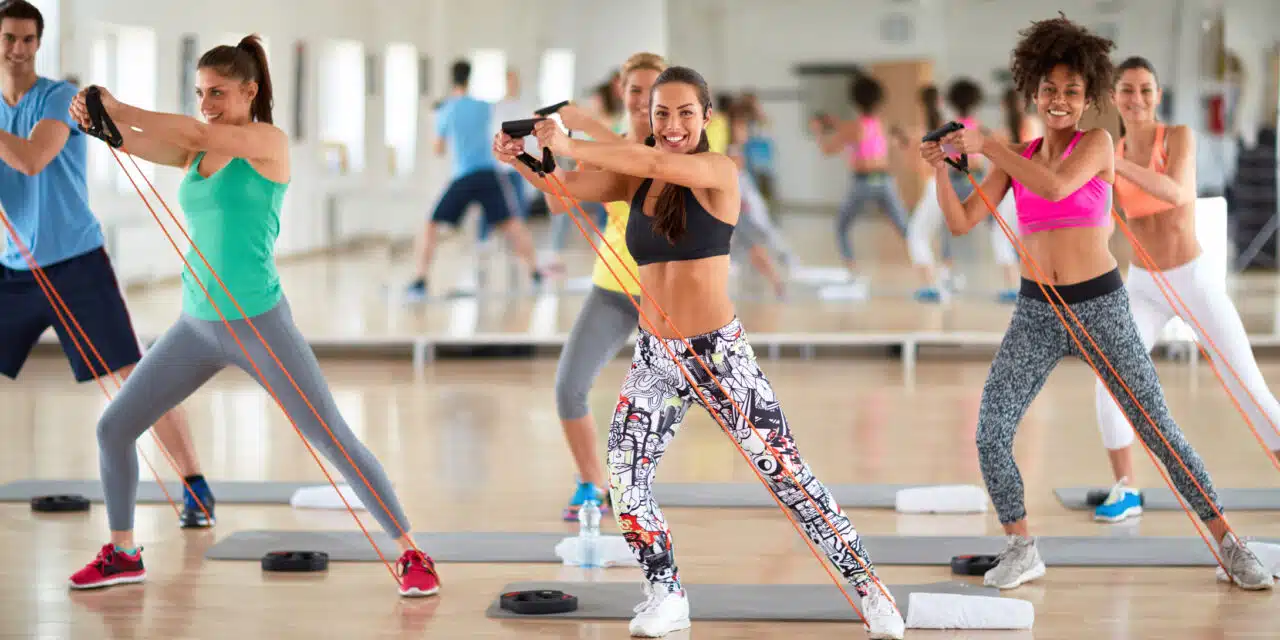
A new study published in JAMA Otolaryngology-Head and Neck Surgery has found that loud music in group fitness classes can reach 108 dBA, which is equivalent to attending a rock concert and well beyond recommended sound levels. Such noise exposure greatly increases risk of hearing loss for both instructors and class participants.
Eleni Zarvos, AuD, an audiologist with Manhattan Audio South in New York, has experience treating patients who attend fitness classes as well as attending NYC fitness classes herself. Here, she shares with The Hearing Review her insights on how to counsel and treat patients who may be at risk for noise-induced hearing loss due to recreational pursuits.
The Hearing Review: For those who aren’t already familiar with the study, can you explain JAMA’s findings about music volume levels in fitness classes and the hearing-related outcomes?
The JAMA study highlighted what many hearing care professionals have suspected for years: sound levels in group fitness classes frequently exceed safe listening limits. Depending on the class and duration, participants may be exposed to sound levels above 85 dBA for extended periods, increasing their risk for noise induced hearing loss (NIHL), tinnitus, and temporary threshold shifts.
While these classes offer incredible physical and mental health benefits, the study reminds us that hearing health should be part of the wellness conversation. The goal isn’t to discourage participation but to help people enjoy these environments safely by increasing awareness of sound exposure and encouraging practical hearing conservation strategies.
HR: What are the takeaways from the study for audiologists and other hearing care professionals looking to better test or treat patients based on these findings?
This research reinforces the importance of asking detailed lifestyle questions during case history. We routinely ask about occupational noise exposure, but recreational noise exposure, including fitness classes, concerts, sporting events, and personal listening devices, can be just as significant.
When patients report frequent participation in high volume activities, I believe it’s important to establish a baseline hearing evaluation, include speech in noise testing when appropriate, and educate them about cumulative noise exposure. Prevention is one of the most valuable services audiologists provide, and these conversations can help patients protect their hearing before permanent damage occurs.
HR: How do you see noise-induced hearing loss firsthand in your New York clinic?
Practicing in New York City, I regularly see patients whose lifestyles involve frequent exposure to high sound levels. Whether it’s commuting on the subway, attending concerts, working in noisy environments, or participating in boutique fitness classes, many people underestimate how much cumulative noise they’re exposed to throughout the week.
Some patients present with classic high frequency hearing loss, while others have normal audiograms but struggle with tinnitus or hearing in background noise. These cases remind us that hearing health isn’t just about aging. It’s something we should be thinking about throughout adulthood.
HR: As a group fitness class enthusiast yourself, what safe listening practices or procedures have you found valuable?
As someone who genuinely enjoys group fitness classes, I understand why people love the energy that music creates. I don’t think the answer is avoiding these classes. It’s being intentional about hearing protection.
I personally use musician’s earplugs during especially loud classes because they reduce the volume while preserving sound quality, allowing me to hear the instructor and enjoy the music without excessive exposure. I also pay attention to where I position myself in the room, avoid standing directly next to speakers whenever possible, and give my ears time to recover after prolonged loud environments.
HR: What type(s) of hearing protection do you think audiologists and other hearing care professionals should consider recommending for patients who attend these fitness classes?
For most patients, high fidelity or musician’s earplugs are an excellent option. Unlike traditional foam earplugs, they lower sound levels more evenly across frequencies, allowing users to hear music and verbal instruction clearly while reducing potentially harmful noise exposure.
For patients who attend fitness classes regularly, custom musician’s earplugs may provide the best combination of comfort, consistent attenuation, and long-term compliance. Ultimately, the best hearing protection is the one patients are willing to wear consistently.
HR: Should HCPs also carry hearing protection that’s suited for other types of activities and lifestyles at their practice, or is protection for fitness classes sufficient across all possible uses?
Absolutely. Hearing protection should be tailored to an individual’s lifestyle. Someone who enjoys group fitness may also attend concerts, travel frequently, ride motorcycles, hunt, work with power tools, or have occupational noise exposure. Different environments require different levels and styles of protection.
As audiologists, we have an opportunity to educate patients on selecting hearing protection that fits their daily activities rather than relying on a one-size-fits-all approach. Personalized recommendations often lead to better long-term hearing conservation.
HR: Are there any other insights you’d like to share with The Hearing Review‘s audience of hearing care professionals?
I think one of the biggest opportunities for our profession is shifting hearing conservation from a reactive conversation to a proactive one. We often meet patients after hearing loss has already occurred, but studies like this remind us that education and prevention can make a meaningful difference.
As younger adults become increasingly focused on overall wellness, hearing health deserves a place in that conversation. By discussing recreational noise exposure, promoting routine hearing evaluations, and recommending practical hearing protection, we can help patients maintain healthy hearing throughout their lives rather than simply treating hearing loss once it’s developed.
Featured image: group fitness class. Photo: ID 100046126 © Igor Mojzes | Dreamstime.com