Oticon Introduces Zeal Hearing Aid to US Market
The new Oticon Zeal combines an in-the-ear design with AI sound processing, rechargeability, and advanced connectivity options.


The new Oticon Zeal combines an in-the-ear design with AI sound processing, rechargeability, and advanced connectivity options.

Feedback from the audiologists participating in the 2021 Audiologist Survey noted that Oticon More had “great reliability, high fitting satisfaction, and excellent sound quality in both quiet and noisy settings.”


DigiFocus could be programmed to each patient’s specific hearing needs and reprogrammed over time as the user's hearing changed, Oticon says.


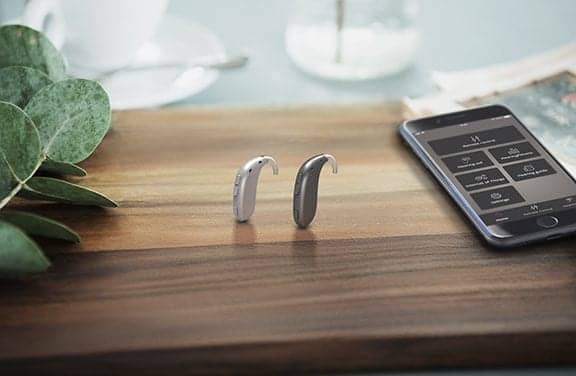
Oticon announced the arrival of new adult and pediatric power hearing aids as well as a new CROS/BiCROS hearing solution to the Oticon Velox S family.
Read More
The national awards program honors students, adults, and advocacy volunteers with any degree of hearing loss whose accomplishments show that hearing loss does not limit a person’s ability to make a positive difference in their communities or the world.
Read More
Hearing care professionals looking for knowledge and tools to differentiate their practice, elevate their standard of care, and improve their profit and loss statement can explore tools and resources offered through Oticon Business Development.
Read More
Now, thanks to the award-winning Oticon Opn™ hearing aids, Santa can hear and fulfill children’s wishes this holiday season.
Read More
With the addition of five new custom styles, including what’s said to be “the smallest hearing aid style Oticon has ever produced,” the expanded Opn family will expand its open sound experience in styles and performance levels to satisfy a wide range of veterans’ hearing needs and preferences.
Read More
The custom lineup includes styles with 2.4 GHz low-energy Bluetooth® connectivity that offer wireless possibilities. The miniaturization of all components can help enable more functionality in less space, resulting in fewer compromises and more modeling freedom to support a better physical fit and a higher fit rate.
Read More
This article examines listening effort, auditory working memory, speech-in-noise comprehension, and the large network of interconnected brain areas now known as the “listening connectome.” Written by Edward Overstreet, PhD, and Michel Hoen, PhD, they explain why traditional speech perception measures in quiet may be insufficient for evaluating the effectiveness of many of the latest advances in CI technology.
Read More
The newest award represents the third time that Opn has been honored by the Stevie Awards, a business awards program. In 2017, Opn earned top honors in two award categories, Consumer Electronics and Health & Pharmaceuticals.
Read More
A just-released Oticon study of 50 restaurants in 10 top foodie markets found that on average during peak Saturday dining hours, diners were subjected to noise levels around 79 decibels.
Read More
At AAA 2018, Oticon shared early results of studies that compared listening effort in normal hearing listeners with the listening effort of Opn 1 users.
Read More
There are more than 1 million reasons why hearing care professionals participating in the 2018 American Academy of Audiology (AAA) Conference should visit the Oticon Exhibit (#915).
Read More
Established in 1997, the national awards program honors students, adults, advocacy volunteers, and hearing care professionals who show that hearing loss does not limit a person’s ability to make a positive difference.
Read More
Opn is powered by the company’s proprietary BrainHearing technology that is designed to lessen the mental effort required to understand speech in noise and helps to preserve the mental resources needed to engage in brain-stimulating activities.
Read More
The day-long session, part of the Oticon Student Seminar Series, aimed to supplement and complement the education that students receive in their university programs by giving them an opportunity to engage in formal and informal discussions with Oticon audiologists and specialists.
Read More
The new app will be designed to track hearing aid use, listening environments, and other behavior, as well as gather and collate data with measurements of heart rate, sleep patterns, and other health markers from other wearable devices.
Read More