Study Finds Concert Hall Color Influences Sound Perception
Researchers report a correlation between the visual environment of a venue and the perceived timbre of music.

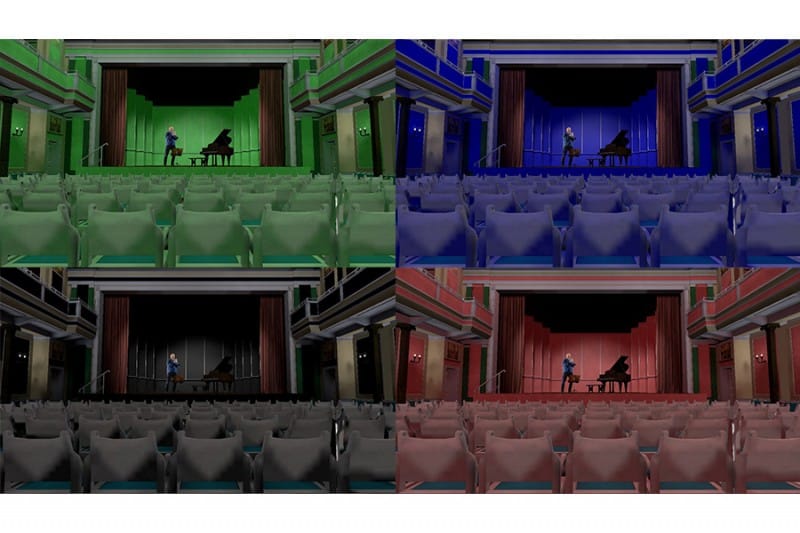
Researchers report a correlation between the visual environment of a venue and the perceived timbre of music.
Audiology Australia’s "Min-Max Your Hearing" campaign aims to promote safer listening practices, especially among people who play video games.


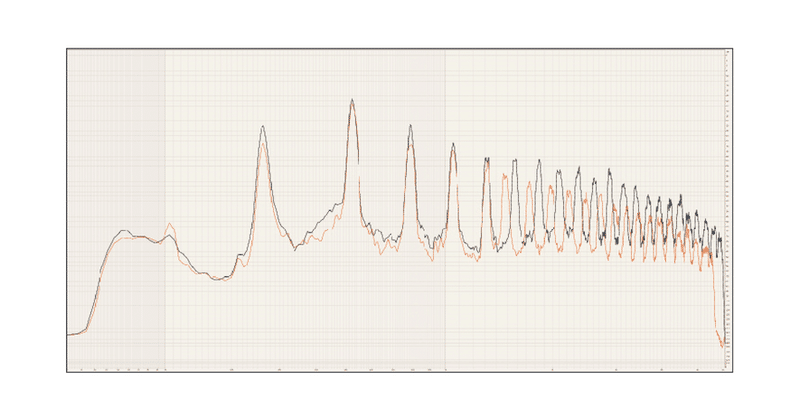
Successful approaches for preserving harmonics in music programs can retain the same overall sound of music for hard-of-hearing people.


While many musical instruments are similar to the speech spectrum some, such as percussion instruments, can be quite different.
Read More
Musical roads and pathways use the underlying science of sound, hearing, and music to create experiences that communicate the wonders and joys of sound in our world.
Read More
The all-new dB Check Pro in-ear sound level analyzer from Sensaphonics measures how long a music professional can safely listen to in-ear monitors, with both earpieces in place.
Read More
Researchers studied the impact of hearing loss on subjects’ enjoyment of music by playing different music mixes to those with hearing loss.
Read More
Ten small studies about music and hearing aids that can fill important gaps in our knowledge and be done for fun and profit.
Read More
The American Cochlear Implant Alliance (ACI Alliance) published the story of Lexi Finigan, a cochlear implant recipient who voiced the title character in the 2022 streaming series “El Deafo.”
Read More
The Global Standard for Safe Listening at Venues and Events highlights six recommendations for implementation to ensure that venues and events limit the risk of hearing loss to their patrons while preserving high-quality sound and an enjoyable listening experience.
Read More
Research shows that prolonged exposure to loud noise exceeding 85 dB can degrade hearing over time, and can occur in places that you might not expect, according to an article on the AARP website.
Read More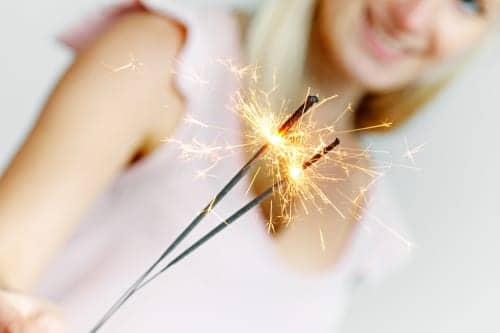
A single loud blast or explosion that lasts for less than 1 second can cause permanent hearing loss right away. This noise, called impulse noise or impact noise, can come from sources such as fireworks or gunfire.
Read More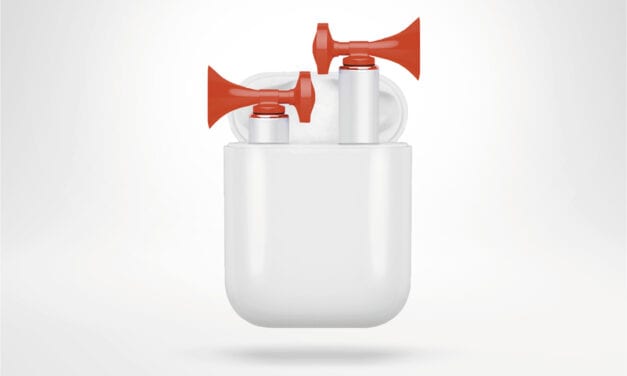
Hearing Health Foundation (HHF) announced that it is launching a public health ad campaign on June 22 that will greet transit commuters in New York, San Francisco, and Chicago to drive the message—especially to young people—that playing music too loud on personal listening devices can permanently damage their hearing.
Read More
After over a year away from typical concert volume levels, the hearing of band members and sound engineers has “adjusted to a controlled listening lifestyle.” This means that “getting the band back together” will require some extra care when it comes to the ears.
Read More
The music business can be a feast-or-famine endeavor, with gigs waning for a variety of reasons, including the effects of the global pandemic. But regardless of their economic situation, musicians need hearing care (enhancement or protection) in good times and bad.
Read More
A global perspective on the challenges of hearing loss prevention and regulation.
Read More
The article examined a study from researchers at the University of Manchester, which suggests that although the damage observed is not enough to be diagnosed as a full-blown hearing loss, it could potentially have a cumulative effect on hearing later in life.
Read More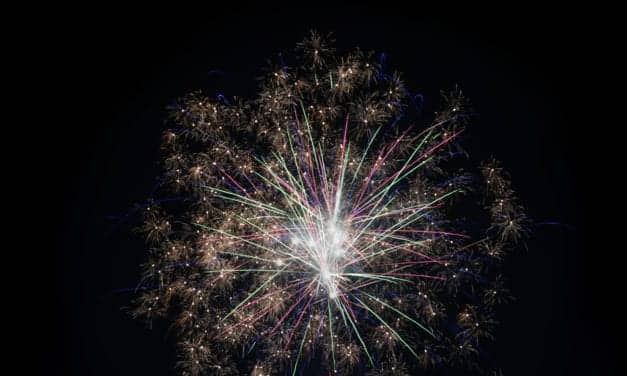
Many traditional Fourth of July festivities can reach potentially dangerous noise levels. Fireworks and firecrackers can be as loud as 150 decibels—louder than a jackhammer or jet plane takeoff. Safe listening levels are generally 75–80 decibels.
Read More