AI Enables “Predict-to-Prescribe” Approach for Children Receiving Cochlear Implants
A deep transfer learning AI model predicted spoken language outcomes in children one to three years after cochlear implantation with 92% accuracy.

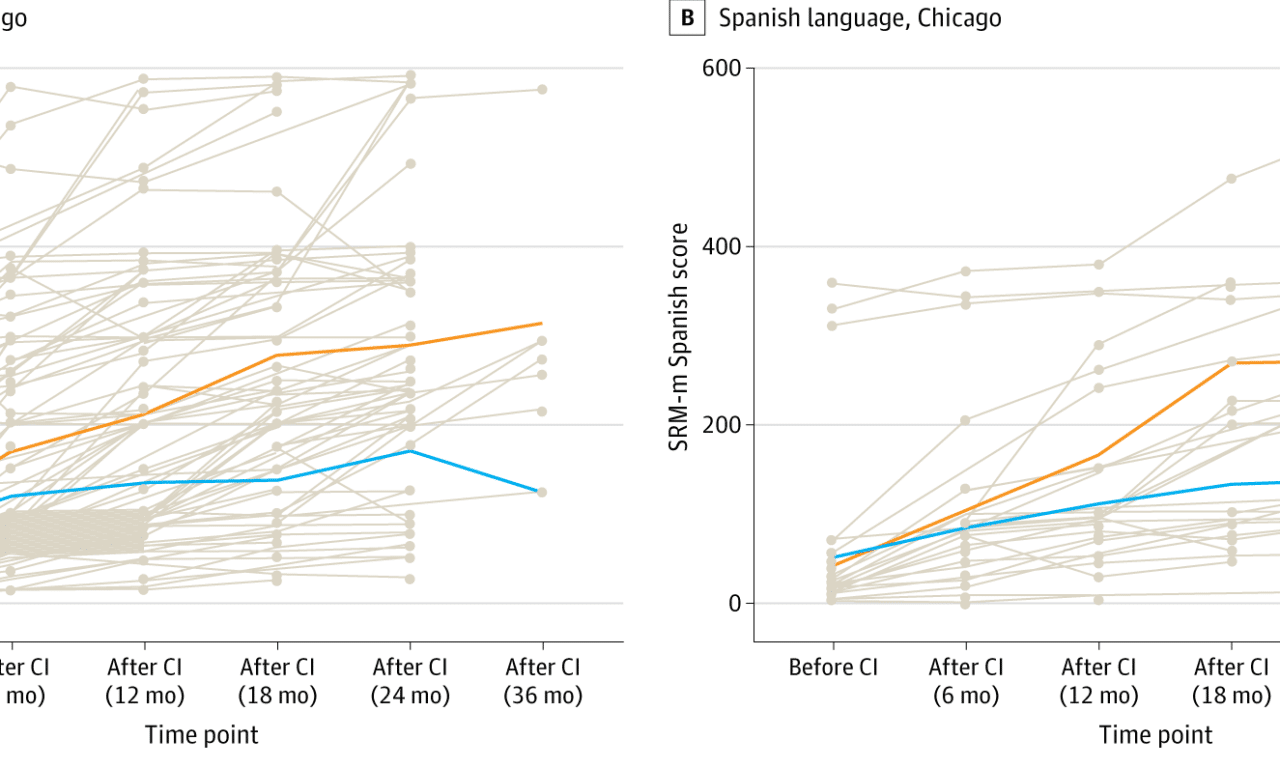
A deep transfer learning AI model predicted spoken language outcomes in children one to three years after cochlear implantation with 92% accuracy.

Warning that the results have “significant implications for otolaryngology procedures,” the authors of the study recommend personal protective equipment (PPE) such as eye protection and N95 masks be worn by health care practitioners performing ear surgery.







The study was a literature search and meta-analysis of 10 studies published in PubMed, Web of Science, and Embase from 1973 to 2017 on the association between the rate of hearing recovery and vertigo.




In the new paper in “JAMA Otolaryngology—Head & Neck Surgery,” a team from the University of Michigan analyzed data from 1,336 adults ages 65 to 85 who reported severe hearing loss.
Read More
During the past two decades, the frequency of hearing loss among young people has increased and going to music concerts, clubs, and festivals may be part of the reason. Noise-induced hearing loss because of recreational noise exposure may be reduced by using earplugs.
Read More
During the past two decades, the frequency of hearing loss among young people has increased and going to music concerts, clubs, and festivals may be part of the reason. Noise-induced hearing loss because of recreational noise exposure may be reduced by using earplugs.
Read More
An increased awareness about hearing difficulty, along with proper screening and management of any hearing trouble, may help reduce the risk of accidental injuries.
Read More
There was a small association between age-related hearing loss and increased risk for cognitive decline (such as in executive function, episodic memory, and processing speed), cognitive impairment, and dementia.
Read More
There was a small association between age-related hearing loss and increased risk for cognitive decline (such as in executive function, episodic memory, and processing speed), cognitive impairment, and dementia.
Read More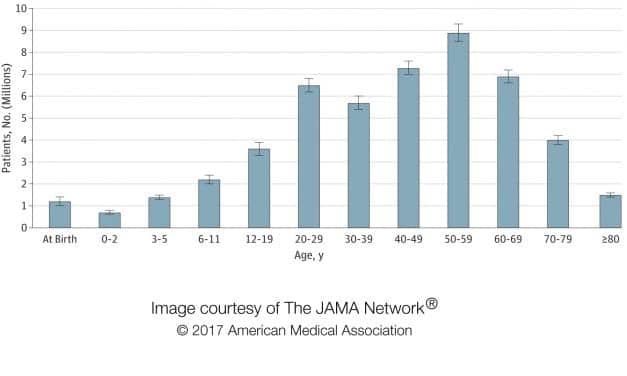
Nearly a third of about 40 million adults in the United States who report hearing difficulties have not seen a specialist for their hearing problems.
Read More
Nearly a third of about 40 million adults in the United States who report hearing difficulties have not seen a specialist for their hearing problems.
Read More
The prevalence of medical errors is higher among older patients with failures in clinical communication considered to be the leading cause of medical errors, according to ‘JAMA.’
Read More
Although there was an increase in the percentage of US youth ages 12 to 19 reporting exposure to loud music through headphones from 1988-2010, researchers did not find significant changes in the prevalence of hearing loss among this group
Read More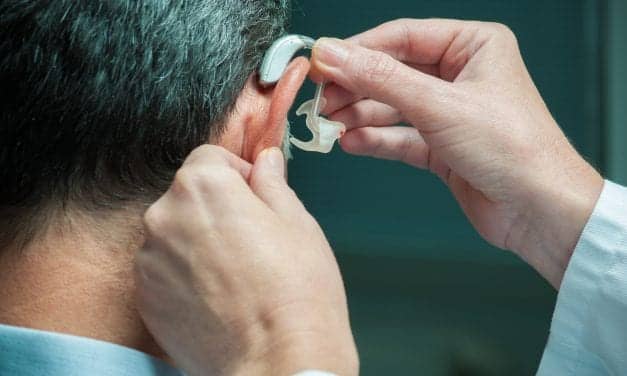
Aileen P. Wertz, MD, of the University of Michigan Health System, and colleagues examined the feasibility and outcomes of a partnership between Hope Clinic for indigent patients and the University of Michigan Health System in providing hearing aids.
Read More
According to a new study published online March 2 by JAMA Otolaryngology-Head & Neck Surgery, the number of US adults 20 years or older with hearing loss is expected to gradually increase from 44 million in 2020 (15% of adults) to 74 million by 2060 (23% of adults). This increase is greatest among older adults. In 2020, 55% of all adults with hearing loss will be 70 years or older; in 2060, that statistic will be 67%.
Read More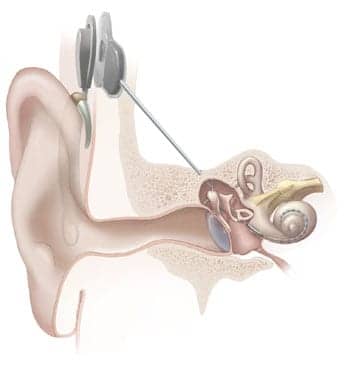
A new study finds that older age of cochlear implant patients does not appear to be an issue when revision cochlear implantation is necessary due to device failure.
Read More
According to a recent study, adults who have human immunodeficiency virus (HIV) have higher rates of hearing loss than those who do not, regardless of the severity of a patient’s HIV disease progression, or the use of HIV medications.
Read More
Magnet displacement, pain and discomfort during magnetic resonance imaging (MRI) can be a risk for cochlear implant patients, according to a report published in JAMA Otolaryngology-Head & Neck Surgery. CI patients can have difficulties while undergoing an MRI because of exposure of the CI’s internal magnet to the strong electromagnetic field of MRI.
Read More