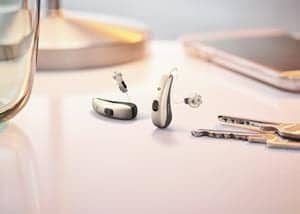
A new Mordor Intelligence report estimates the global hearing aids market at $10.60 billion in 2026, with growth driven by AI-enabled sound processing, rechargeable devices, and the continued expansion of OTC channels.
The global hearing aids market is on track to reach $13.34 billion by 2031, up from an estimated $10.60 billion in 2026, representing a compound annual growth rate (CAGR) of 4.72%, according to a new report from Mordor Intelligence. The findings point to a market shaped by demographic pressure, rapid technological development, and shifting consumer preferences that are redefining how hearing care is delivered and accessed.
Market expansion is supported by the rising prevalence of hearing loss, an aging population, advancements in digital hearing technologies, and broader access to hearing care through prescription and over-the-counter (OTC) channels.
AI and Digital Signal Processing Take Center Stage
Artificial intelligence is emerging as a defining force in hearing aid product development. Manufacturers are focusing on AI-enabled sound processing, wireless connectivity, rechargeable batteries, and personalized hearing adjustments. Developments in digital signal processing and smartphone-based applications help users manage device settings and adapt hearing performance to different listening environments.
These capabilities are particularly relevant in real-world listening scenarios. AI and digital signal processing enable devices to analyze sound environments, distinguish speech from background noise, and adjust audio output according to listening conditions — challenges that remain central to user satisfaction in crowded public spaces, workplaces, and social settings.
The clinical and commercial momentum around AI has been building across the industry, with major manufacturers investing in differentiated AI platforms and earning recognition for their efforts. Recent product launches and award programs have spotlighted AI-driven hearing aids from companies including Starkey and Phonak as leading examples of this shift.
OTC Expansion Reshapes Distribution
The OTC hearing aid segment continues to alter the competitive landscape. OTC availability provides an alternative purchasing route for adults with perceived mild-to-moderate hearing loss, particularly those who prefer to explore self-fitting devices without following the traditional prescription pathway.
Retail pharmacies, e-commerce platforms, and direct-to-consumer providers are creating additional distribution opportunities, with manufacturers responding with products designed for easier setup, self-adjustment, and integration with consumer electronics. At the same time, the report notes that consumers with complex hearing conditions may still require professional assessment, fitting, and follow-up care — a consideration that remains central to the role of audiology practices in the evolving care continuum.
The OTC channel has also attracted new entrants and strategic partnerships. Samsung’s Galaxy Buds hearing aid feature received FDA clearance, while Jabra Enhance launched its M Series self-fitting hearing aids, illustrating the growing interest from consumer electronics companies in the hearing health space. However, the wind-down of LXE Hearing’s US operations, which affected the Eargo, Lexie, and Go brands, underscores that the OTC segment remains competitive and commercially challenging.
Rechargeable and Connected Devices Gain Ground
Consumer demand for convenience is also driving adoption of rechargeable and wirelessly connected hearing solutions. Rechargeable models reduce the need for frequent battery replacement, while Bluetooth-enabled features allow compatible hearing aids to connect with smartphones and other electronic devices for audio streaming and device management.
Manufacturers are also exploring integrations with digital health platforms and remote support services, developments that can improve convenience and help hearing care professionals provide ongoing assistance. Battery performance, device compatibility, comfort, and ease of use are expected to remain key purchasing considerations as connected hearing solutions become more widely available.
North America Leads; Asia-Pacific Emerges as Growth Region
North America represents the largest share of the hearing aids market, supported by established healthcare infrastructure, widespread awareness of hearing loss, and access to advanced audiology services. Regulatory provisions that expanded OTC access in the US have further strengthened the region’s distribution ecosystem.
Asia-Pacific is emerging as a key growth region, with an aging population, increasing awareness of hearing health, and expanding healthcare infrastructure creating opportunities for device manufacturers. Countries including China, Japan, India, South Korea, and Australia are strengthening healthcare services and expanding access to diagnostic and treatment options. This trend aligns with broader industry moves into the region, including Cilcare’s recent opening of a Tokyo subsidiary to support Asia-Pacific hearing health expansion.
Affordability and Access Remain Persistent Challenges
Despite the positive growth outlook, the report identifies several headwinds. Affordability, awareness gaps, and access to professional fitting services remain important considerations for broader adoption.
“As the hearing aids market evolves through digital innovation, AI-enabled sound processing, and broader access to hearing care, manufacturers and healthcare providers must balance product advancement with affordability and practical usability,” says Soumya Goud, senior research manager, Mordor Intelligence, in a release.
The global audiology devices market, of which hearing aids form a significant segment, has been the subject of several recent market analyses, reflecting sustained investor and industry interest in hearing health as a long-term growth category.
The full Mordor Intelligence hearing aids market report is available at mordorintelligence.com.