
New data from 42 clinics across three countries found that conversion rates were 5 percentage points higher when hearing care professionals systematically explored individual sound preferences during consultations.
WSA, a hearing healthcare group, has released new clinical study results showing that hearing aid conversion rates increased by 5 percentage points when individual sound preferences were systematically explored during patient consultations. Conducted across 42 clinics in Spain, Canada, and the US, the studies found that the approach was associated with a greater likelihood of clients purchasing hearing aids.
The findings build on the April launch of WSA Sound Preference, a global program that introduced research and clinical tools to help hearing care professionals understand how individual sound preferences influence hearing aid experiences.
Study Design and Key Findings
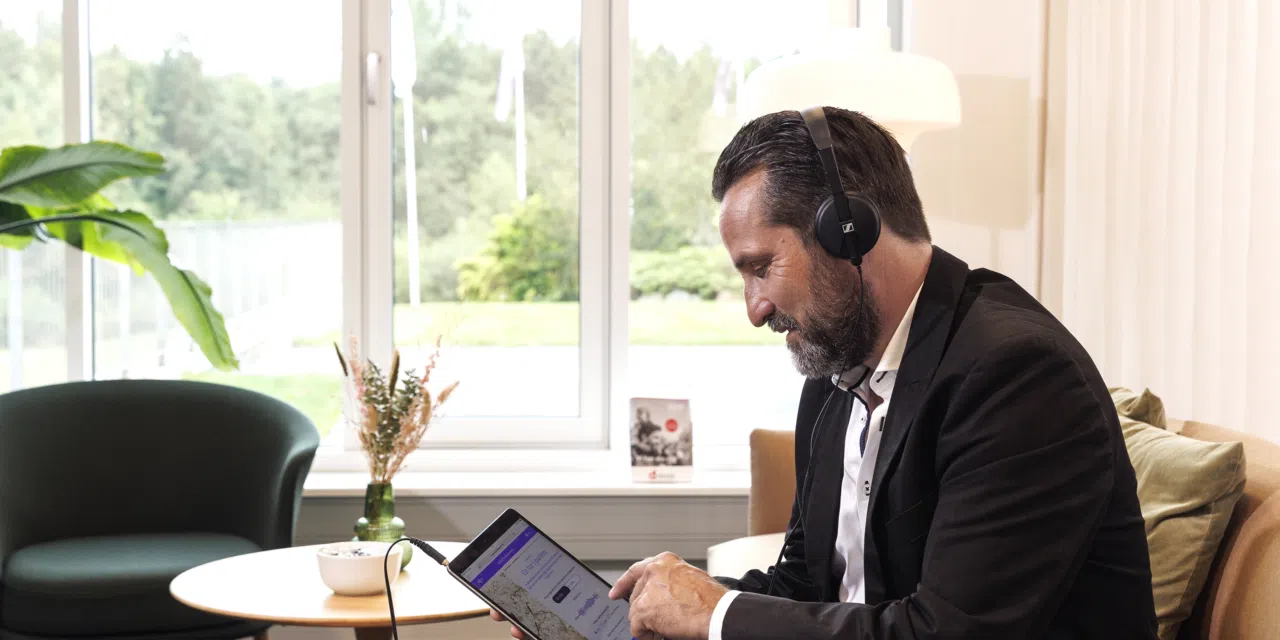
Over more than three months, 63 hearing care professionals — 43 in Spain and 20 across the US and Canada — used the WSA Sound Preference tool and a follow-up discussion to explore individual sound preferences with new and experienced hearing aid users during consultations. The tool allows patients to compare natural and enhanced sound designs across five listening scenarios, helping them articulate preferences that clinicians can weigh alongside hearing needs and other fitting requirements.
The global average of 5 percentage points reflects positive effects in both studies, with an advantage of 4.3 percentage points in the Spanish study and 5.8 percentage points in North America.
Among the notable findings in the Spanish study, approximately 40% of clients expressed a moderate or strong preference for one sound design, with preferences split approximately evenly between natural and enhanced sound. The findings reinforce previous research highlighting the importance of offering distinct listening experiences and taking time to understand which resonates with each patient.
Spanish clinicians also reported benefits within the consultation itself. 84% agreed that the approach improved the clinical experience they could offer, while 77% agreed that it improved the likelihood of selecting the right hearing aid. Clinicians also noted greater patient involvement, making hearing aid selection a more collaborative process grounded in the patient’s own listening experience.
The details of the Spanish study are described in a new white paper by Laura Winther Balling, Ingrid Rubio Roldán, and José Antonio Navarrete Salmerón.
Clinical Implications for Sound Design
“Behind every decision to move forward with hearing aids is someone hoping to feel more connected to the people and moments that matter to them,” says Laura Winther Balling, senior evidence & research manager, WSA, in a release. “Helping patients recognize what sounds right to them gives them a voice in that decision. This study shows how making room for that conversation can help more people move forward with the care they need. That is what makes these findings meaningful for clinicians and the people they serve.”
The study results reinforce WSA’s strategy of maintaining two distinct sound design platforms. The Widex Allure AI targets listeners who prefer a natural sound experience, preserving the balance between speech and surrounding sounds through its W1 chip and Precision Hearing Technology, with a Clarity Boost program that activates a dedicated AI co-processor when wearers want greater clarity in noise.
For listeners who prefer an enhanced sound experience, Signia Multi-adaptive Xperience (MaX) emphasizes speech clarity and listening comfort in complex environments, with four task-specific Deep Neural Networks working together to analyze speech, noise, environmental conditions, and the wearer’s own voice.
For patients without a clear preference, the Sound Preference tool provides flexibility to prioritize other clinical needs, with clinician judgment guiding the final recommendation.
“The ambition behind personalized hearing care is deeply human — helping each person experience sound in a way that feels right to them and supports the life they want to lead,” says Adina Bahcevanii, head of marketing, WSA, in a release. “Our investment in Widex and Signia gives hearing care professionals distinct sound designs to work with, while Sound Preference helps them understand what matters to the person in front of them. This study gives us further reason to advance both, so that more people feel ready to embrace hearing care and the possibilities it can open in their everyday lives.”
More information is available at soundpreference.com.



Solid write-up. Been following this subject casually for a while and this is one of the better breakdowns I’ve seen. Will be checking back for more.