A new US study conducted by Listen to This reveals that while the majority of people surveyed highly value longevity and prioritize many healthy lifestyle habits, hearing health barely registers as a factor in healthy aging. It’s just not something people are thinking about. Researchers are calling this a longevity blind spot.
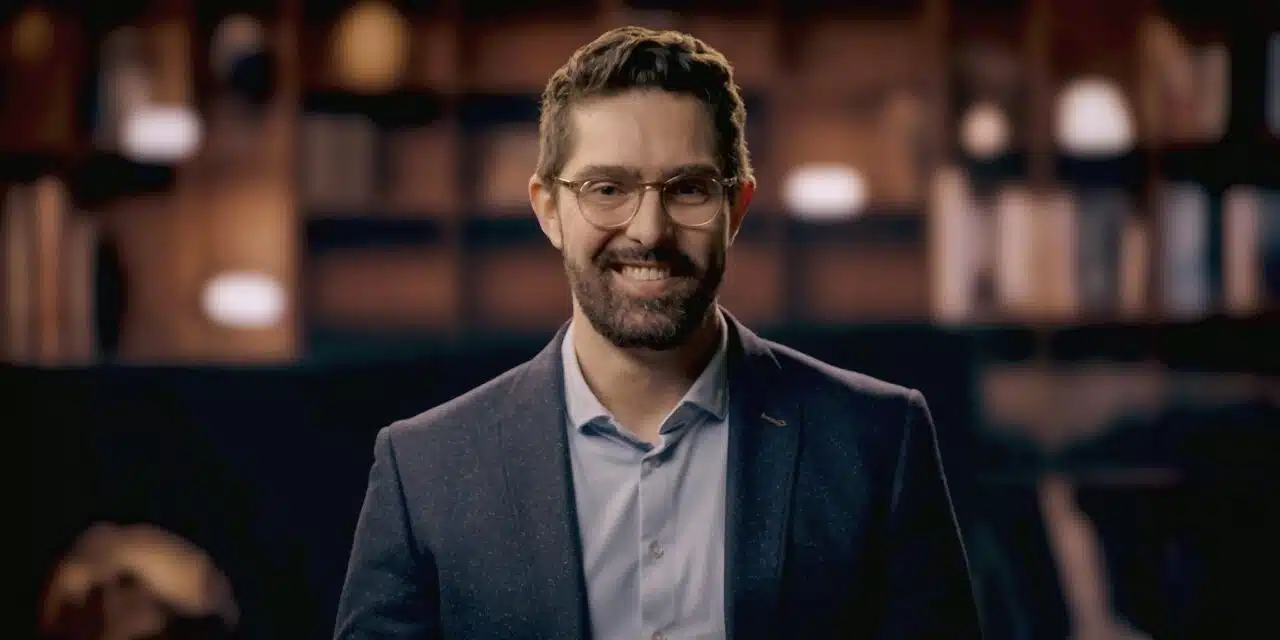
As director and head of hearing health at GN, Sigurd Brandt, MD, leads a team focusing on the impact of hearing loss on overall health, including the Listen To This initiative and its new survey. Here, he shares with The Hearing Review details of the survey findings and his perspective on what they mean for audiology and people’s hearing health, now and in the future.
The Hearing Review: Can you tell me a bit about the goals of the Listen to This initiative and how the survey fits in?
Sigurd Brandt: Listen To This is a movement that focuses on the importance of hearing loss on your overall health and quality of life. It stems from the realization that during the past 20-25 years, research has been mounting year over year showcasing how hearing loss is not just the inability to hear, but has some very serious consequences for other aspects of your life and health. Cognition and increased risk of dementia being some of the most prominent findings and most covered topics in the research space, within the industry and in mainstream media over the past 4-5 years.
The reason for building Listen To This was to create a place that was non-commercial and above product, to build a community where we could stay true to the science and not overstate science into scare tactics, but rather create a professional environment where people could go to inform themselves and stay on top of the latest knowledge within their field. A place where you would dare to talk about dementia and mental health — not from a sales perspective but to understand better the value and importance of the work being done in the industry and the help we can offer patients.
At the same time, we didn’t see the topic of hearing health as a topic that belonged to anyone in particular but rather to anyone who suffers from hearing loss or a loved one living with someone affected. It belonged to everyone trying to build solutions to help people with a hearing loss — essentially to all of us.
We continue to welcome new partners into the movement, and we will continue to build out our movement with tangible tools and educational series, easy-to-understand information and leaflets, a direct-to-consumer website to inform the general public, etc. And of course, we also do research like the survey we recently conducted.
HR: What was the impetus behind conducting this particular study, and why was now the right time?
Brandt: The reason we did the survey was because there are two sides to the conversation. Audiologists are now to a much greater degree informed and active in hearing health, but we also need the other side of the table to acknowledge the importance and to want to do something about their hearing loss. We wanted therefore to quantify the blind spot in people’s perception of hearing on their overall life, health, and general longevity. The survey ended up showcasing exactly what we expected. Hearing has very low, if any, acknowledgement among the general public as soon as it goes beyond the binary notion of being able to hear or not.
HR: Based on the survey results, it seems that, as you say, there’s a disconnect between people’s desire for a long healthy life and their prioritization of hearing health. Can you elaborate on this “longevity blind spot” revealed by the survey?
Brandt: Yes, 52% reported that they thought about long-term health and longevity, while 26% thought about it weekly and 10% monthly. That means that approximately 88% out of all the respondents think about their long-term health on a monthly basis. This means it’s acutely on the minds of almost all individuals, and my own personal opinion would be that the sample is pretty representative.
The survey also showed that the top 5 important topics for living a long and healthy life were regular exercise, balanced diet, adequate sleep, regular medical check-ups, and hydration—in that order. All of these we of course know are important and crucial. But hearing was mentioned by only 1%. Even though people with a hearing loss are more at risk of depression, anxiety, dementia, and falls. Even a shorter lifespan.
The survey also showed that if the participant knew about the link between hearing loss and cognitive decline, 67% would be likely to very likely to get their hearing tested.
When we say a longevity blind spot, we really mean it. If hearing loss can affect how much you interact in social gatherings and how much you can do exercise and it’s not recognized at all, it becomes quite clear that there is an awareness which is lacking and a blind spot.
HR: What did the survey data reveal about people’s habits and what they think about hearing testing?
Brandt: For the majority of respondents, their last hearing test was more than 5 years ago, even though most reported they believe it’s easy to get a hearing test. Among the surveyed population, there was a strong preference for seeing doctors and specialists associated with hearing expertise for their hearing needs.
Only 14% had had a hearing test within the past year, 42% had a hearing test done more than 5 years ago, and 18% had never gotten a hearing test done.
HR: The World Health Organization (WHO) projects that by 2050 1 in 4 people worldwide will be living with hearing problems. Considering the survey results, what could 2050 look like for people’s hearing health and overall health?
Brandt: First and foremost, my first thought goes toward the power of prevention until 2050. It will be more important than ever.
Next, a main takeaway is that unless we are able to get the message out to more people, there will be millions around the globe who won’t be able to experience the positive health benefits of hearing care—on the contrary, they might suffer from the known conditions correlated to untreated hearing loss. As a derived factor, knowing how hearing loss affects overall health such as mental health, brain health, and physical health, some of the future healthcare spending in different countries could be avoided through a bigger focus on hearing care and treatment earlier in the health journey rather than treating the more expensive conditions later in life.
We know there’s a big trend globally that we will have more elderly, fewer healthcare resources, and a need to manage spending in our healthcare sectors. This puts an increased focus on preventative measures where I think hearing represents an interesting avenue. Due to this last fact, it also changes how we might look at access to care because it’s a natural part of the discussion of unlocking the health benefit. When we look globally, we also know that people live with very different life outlooks and access to hearing care.
HR: In the survey, people reported whether learning about a link between hearing health and brain health changed their perspective on hearing testing. What do you think the results say about what we might be able to expect in the future?
Brandt: As I mentioned earlier, the survey showed that if the participant knew about the link between hearing loss and cognitive decline 67% would be likely to very likely to get their hearing tested. AARP also found in 2024 that 71% would be extremely likely or very likely to take care of their hearing issues if they knew hearing loss increased the risk of dementia, cognitive decline, falls, depression and social isolation. Essentially the two surveys show the same result: Power lies in knowledge and people would act if they had the right knowledge. It therefore seems like the key to the issue is awareness.
The survey also showed that if the participant knew about the link between hearing loss and cognitive decline, 67% would be likely to very likely to get their hearing tested.
For the future, I think it means that audiology will be playing a bigger role in the longevity trends and more people will “care” about their hearing loss, not only from an ability to hear perspective, but mainly from a health perspective. People will see hearing care as a way to optimize your health rather than as a sign of aging. This might seem more like a dream than a reality, and it might also sound a bit foreign from what we know at the moment. But I think these results point toward positive change in the future.
Lastly, such a change would also require a shift in the communication around the services we provide in the audiological community. We help people hear better so they can live better and fuller lives. We who are part of Listen to This together with all our current and future partners will be focusing on increasing this awareness and knowledge to hopefully get more people to seek out hearing care. At the end of the day, that is the only way we can unlock the real benefit of hearing care—to get as many individuals as possible to seek treatment and to wear their hearing devices.
HR: Who do you think are in the best positions to help change the way people view the importance of hearing health? And what can hearing care professionals do about this longevity blind spot?
Brandt: At the very core of spreading awareness is the conversation hearing care professionals have with their patients during consultation. Thus, the best thing we can do as professionals is to continue to be curious.
Continue to learn and stay up to date on the new research coming out. Use sources like Listen To This to get the latest knowledge and take advantage of the free resources and educational masterclass series. The more we know, the more we can act on.
That is also how we best prepare ourselves to answer questions on articles that patients see on mainstream media, where they might see headlines such as “hearing loss causes dementia” – a statement we know is untrue and deserves a proper conversation to unpack. We should all stay away from scare tactics, but instead inform our patients in a way that helps them understand how they can make good, informed choices on their own behalf and feel empowered by knowing there are things you can do to such as increase your chances of good brain health for longer or more meaningful social connections, which we also know are incredibly important for a long life.
Next, I think we on a government level would benefit from leaning into preventative measures in healthcare. Not only with general health, but also with hearing. Start to think of ways we can increase the health of the population through easily accessible measures such as hearing care.
HR: Are there any other insights you’d like to share with The Hearing Review’s audience of hearing care professionals?
Brandt: I think it’s an incredibly interesting time we are entering into. As mentioned before, the value lies in getting more people to get and use hearing aids, so it fundamentally doesn’t change the services we provide. What it changes is the motivation around seeking hearing care and the value of the profession you are in.
By fitting a patient with a hearing aid, you not only help that person hear better, with all of the positive experiences that entails, it also has the potential to be a powerful long-term tool to maximize health benefits.
As we are getting wiser about the power of hearing, I think it paves the way for integrating hearing into health check-ups where more GPs refer patients for hearing check-ups or a neurologist sends a patient for a hearing check-up as part of their examination and treatment of patients with subjective memory complaints. This will lead to better referral pathways, stronger collaboration, and better patient outcomes at the end of the day.
For more information about Listen to This, visit the Listen To This website.