Cilcare Updates License Agreement with Sanofi, Brings Pharma Giant on as Equity Holder
The biotech secures improved royalty terms on its two lead hearing loss programs, CIL001 and CIL003, while Sanofi takes a minority stake in the company.


The biotech secures improved royalty terms on its two lead hearing loss programs, CIL001 and CIL003, while Sanofi takes a minority stake in the company.
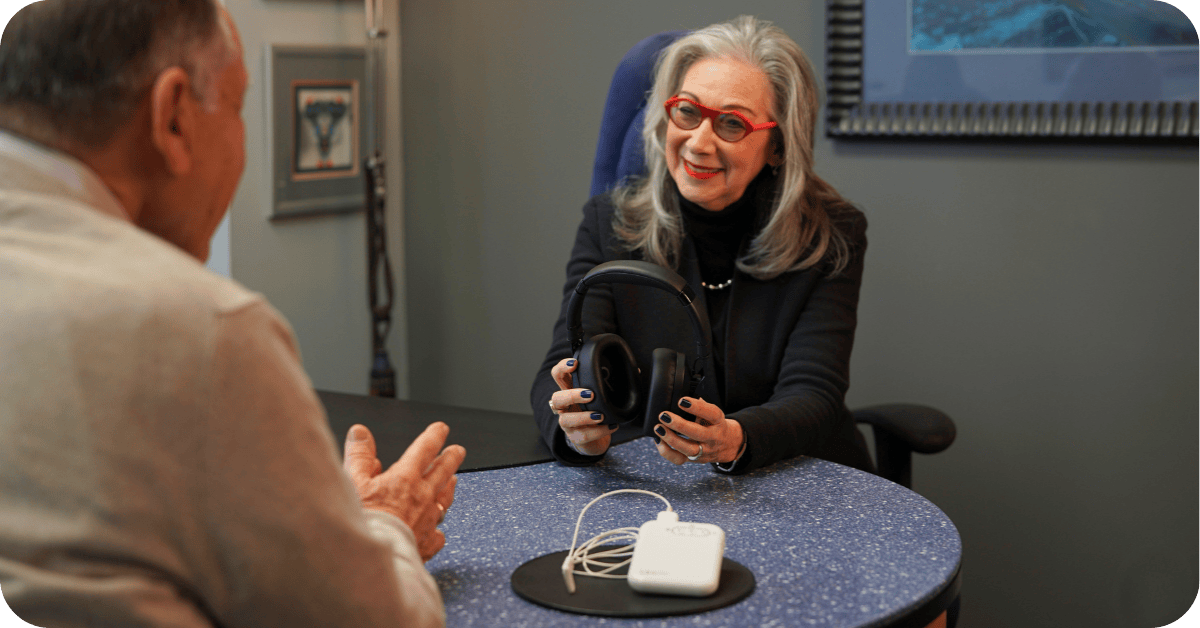
The partnership makes the bimodal neuromodulation device for tinnitus available through clinics in Philadelphia and Charlotte.



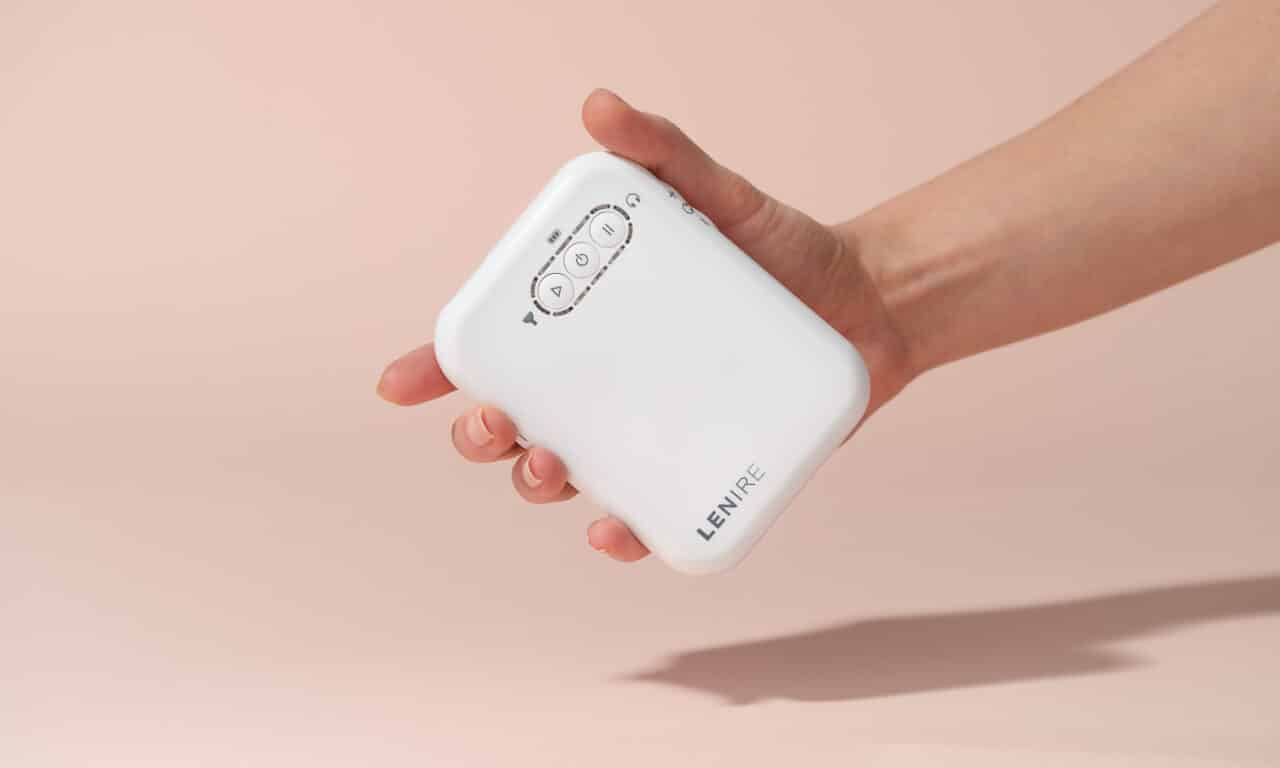
Neuromod Devices has achieved both Medical Device Single Audit Program (MDSAP) and EU Medical Device Regulation (MDR) certification, enabling expanded global availability of its Lenire tinnitus treatment device in Europe, Canada, Australia, and beyond.





PNQ Health received FDA clearance for its Class II SaMD digital health platform, offering a telemedicine-based approach to treat tinnitus.
Read More
Neuromod Devices appointed Tom Maher as general counsel, bringing his extensive experience in the life sciences industry for the company.
Read More
Neuromod Devices expanded its U.S. presence by partnering with 14 new clinics to offer its FDA-approved Lenire tinnitus treatment device.
Read More
Neuromod’s Lenire tinnitus device is available as a treatment option for U.S. veterans and other federal health services patients.
Read More
Lenire’s Spanish launch began in Barcelona. This latest expansion brings the number of clinics in Spain providing Lenire to four.
Read More
A research team has shown that the debilitating impact of tinnitus can be reduced in just weeks by a training course and sound therapy.
Read More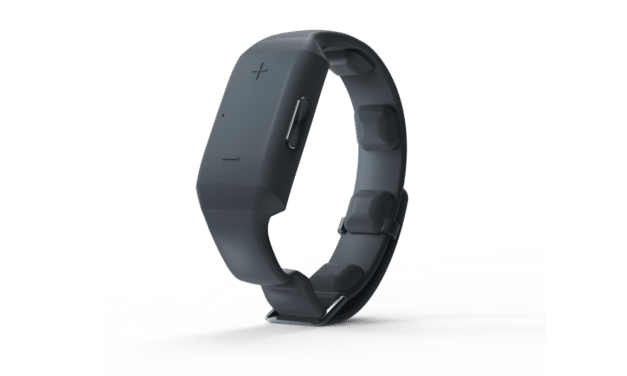
How can you hear more clearly by wearing a wristband? David Eagleman shares how Neosensory’s wearable delivers hearing healthcare solutions for tinnitus and hearing loss.
Read More
Oto and Lindus Health announced the launch of a fully remote, digital trial to increase patient access to life-changing tinnitus therapy.
Read More
Widex published the preliminary results of a study which validates the use of fractal sound stimulation in treating tinnitus.
Read More
In this case study, a clinical audiologist used Neuromod’s Lenire to treat a problem with tinnitus in a patient with acoustic neuroma.
Read MoreWidex Zen Therapy provides counseling to help patients understand and accept the condition, amplification for the majority of people with bothersome tinnitus who also have hearing loss, sound stimulation in the form of the Zen fractal tones, and relaxation techniques that can help break a vicious circle of tinnitus exacerbating stress and vice versa.
Read More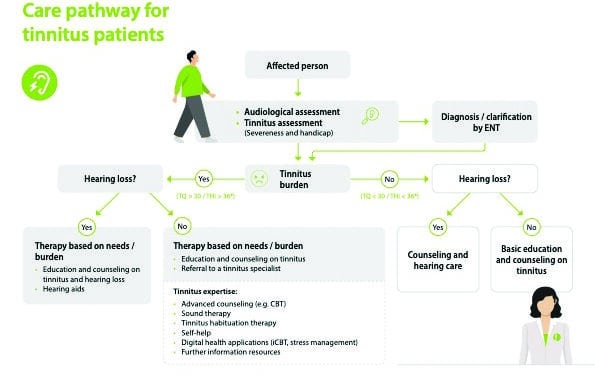
Even though there is no cure for tinnitus today, good approaches that significantly reduce the burden of affected individuals are available. Therefore, it is hoped that the message to sufferers that they have to “live with their tinnitus” will become less and less pronounced.
Read More
After 20 years searching for a cure for tinnitus, researchers at the University of Auckland are excited by ‘encouraging results’ from a clinical trial of a mobile-phone-based therapy, according to an article on the University’s website.
Read More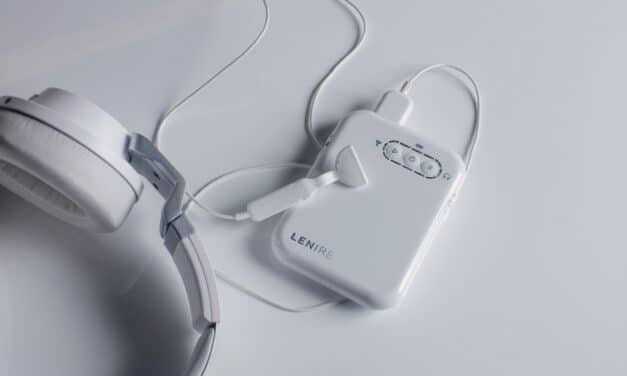
Neuromod Devices Ltd has reached an agreement with Specialklinikken Borgå ApS, a Danish provider of private care for tinnitus, to make its Lenire device available in Denmark.
Read More
An international team, including a University of Minnesota professor, has published a second large clinical trial for a novel neuromodulation device, Lenire, that could reduce symptoms for millions worldwide with tinnitus, commonly described as “ringing in the ears.” Researchers published the results of the Treatment Evaluation of Neuromodulation for Tinnitus – Stage A2 (TENT-A2) clinical trial in “Nature – Scientific Reports.” An article detailing the research appears on the University of Minnesota website.
Read More