Audiology Australia Enhances Accreditation Pathways for Audiologists
The changes are designed to address workforce needs and create clearer routes to accreditation for both overseas-qualified and Australian audiologists.

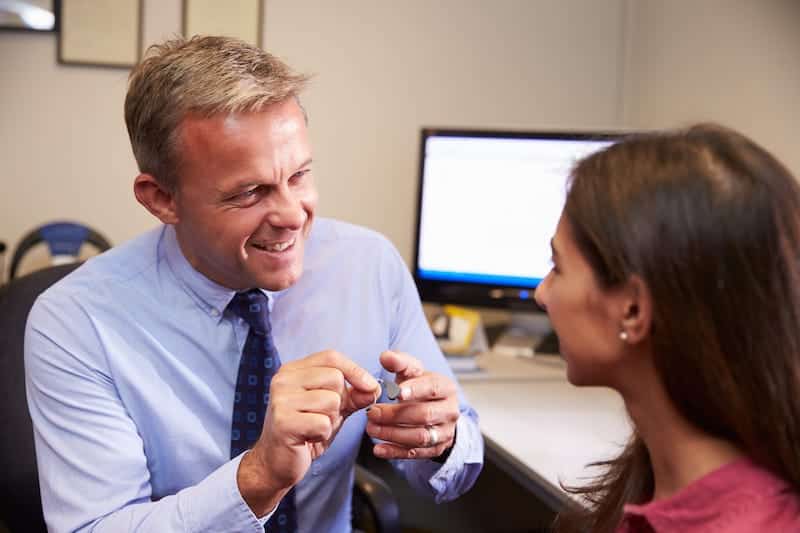
The changes are designed to address workforce needs and create clearer routes to accreditation for both overseas-qualified and Australian audiologists.

In a new study published in the journal “Small,” the RMIT research team showed stem cells treated with high-frequency sound waves turned into bone cells quickly and efficiently.






Like humans who can instantly tell which friend or relative is calling by the timbre of the person’s voice, zebra finches have a near-human capacity for language mapping. Moreover, they can remember each other’s unique vocalizations for months and perhaps longer, the findings suggest.





The most common causes of noise exposure include tractors, machinery, guns, and livestock.
Read More
Hearing loss among Indigenous Australians may hamper the effects of government programs like Close the Gap—a set of targets developed by the Australian government to reduce health inequalities between Aboriginal and Torres Strait Islanders and non-Indigenous Australians.
Read More
Australian cochlear implant research is showcased in a special supplement of the International Journal of Audiology, covering research conducted by the HEARing Cooperative Research Centre (CRC), The University of Melbourne, and the Royal Victorian Eye and Ear Hospital.
Read More
Australia’s noisy nightlife has researchers concerned about the potential damage loud music is doing to the hearing of young people.
Read More