
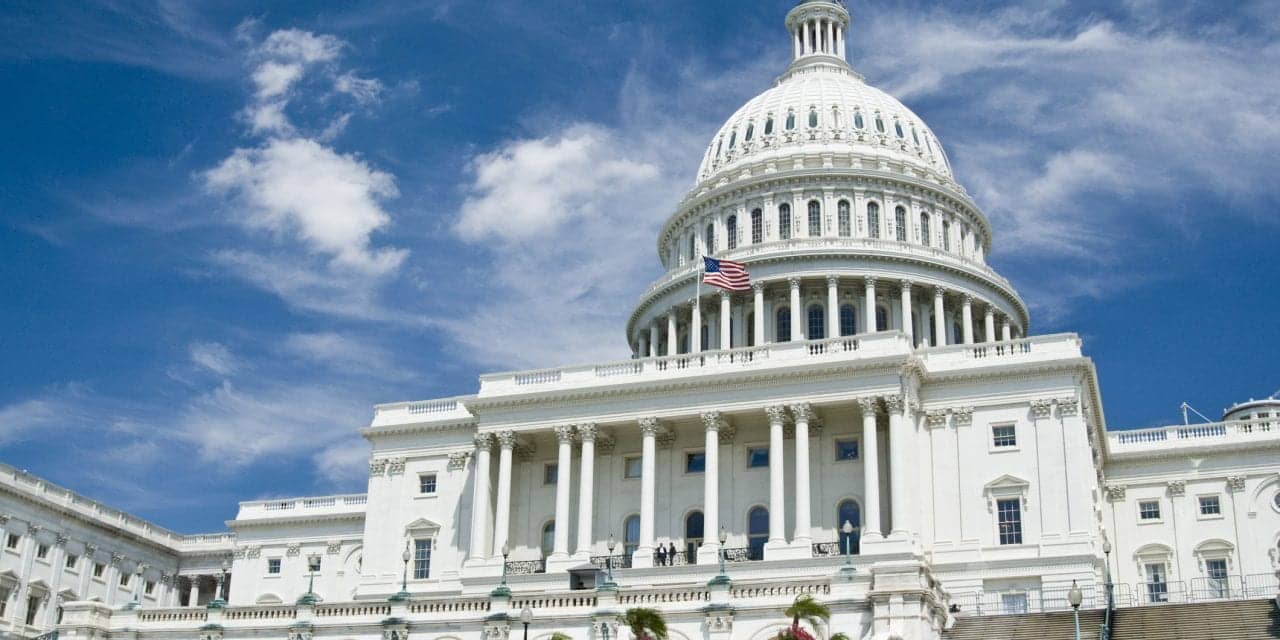
The reintroduced legislation would add hearing aids, exams, and other long-excluded services to traditional Medicare coverage for the more than 66 million Americans who rely on the program.
Seeking to add hearing benefits to Medicare, Rep Mike Thompson (D-CA) has been tapped to lead the Medicare Dental, Vision, and Hearing Benefit Act in the next Congress, following an announcement from Rep Lloyd Doggett (D-TX), the bill’s original sponsor, who is preparing to retire. Doggett currently serves as ranking member of the House Ways & Means Health Subcommittee.
The legislation would repeal the statutory exclusion that currently prohibits Medicare from covering most dental, vision, and hearing care, and would expand benefits to include hearing aids and exams, refractive eye exams and eyeglasses, and preventive and emergency dental care, including dentures. Payment to health providers would be administered through Medicare Part B.
For hearing care professionals, the bill represents one of the most significant potential shifts in the Medicare reimbursement landscape in decades. Previous legislative efforts to bring hearing aids and audiology services into traditional Medicare coverage — including provisions debated as part of the Build Back Better Act and earlier standalone bills — have stalled in Congress. The renewed push comes amid ongoing concerns about access to hearing care among Medicare beneficiaries and the broader relationship between untreated hearing loss and cognitive decline.
“Maintaining one’s dental, hearing, and vision health is critical to ensuring good nutrition, preventing cognitive decline, stopping falls, and more. I’ve always believed that expanding older Americans’ access to these kinds of healthcare just makes sense,” says Thompson, in a release.
Scale of the Coverage Gap
The bill’s backers point to substantial data underscoring the need. More than 24 million Medicare beneficiaries currently have no dental coverage at all, paying out-of-pocket or forgoing care entirely. On the hearing side, more than two in five Medicare beneficiaries have difficulty hearing, while more than one in three have difficulty seeing.
A 2024 Data for Progress poll cited in the announcement found that 92% of Americans support expanding Medicare to provide dental, vision, and hearing benefits — a figure that cuts across party lines.
Doggett Passes the Torch
Doggett, who has championed the legislation for years, framed the handoff to Thompson as a continuation of what he describes as Medicare’s foundational mission.
“We seek to assure more comprehensive health coverage for the more than 66 million seniors and disabled individuals who rely on Medicare,” says Doggett, in a release. “Though so important to overall health, Medicare coverage continues to be very limited for dental, vision, and hearing services. This expanded care could help prevent cognitive impairment and dementia, worsened chronic disease, and imbalance leading to falls with deadly consequences. This is an essential step to fulfilling the original promise of Medicare—to assure dignity and health for all.”
Sen Bernie Sanders (I-VT) leads the companion bill in the US Senate.
Endorsements and Next Steps
The Medicare Dental, Vision, and Hearing Benefit Act has been endorsed by a broad coalition of advocacy organizations, including the Center for Medicare Advocacy, Medicare Rights Center, Families USA, Justice in Aging, Public Citizen, Social Security Works, CareQuest Center for Oral Health, and Advocates for Community Health, among others.
Thompson, who has previously supported hearing-related legislation in the House, will formally introduce the bill in the next Congress. For audiologists and hearing care providers, the legislation — if passed — would mark a pivotal expansion of the patient population eligible for covered hearing services under traditional Medicare, potentially reshaping practice economics and access models across the field. Related Senate efforts to expand Medicare audiology services have also been introduced in recent years, reflecting sustained legislative interest in closing the coverage gap.
Featured image: Dreamstime



We are all for expanding the benefits, but without the bill supporting a fairly massive jobs training effort to train tens of thousands of hearing providers to properly test, fit and assist these folks I fear the bills benefits to our seniors will be a big waste of $$$.